Rio de Janeiro State Publishes Dozens of Layoffs in Public Deposit and Formerly Extinct Seenemar
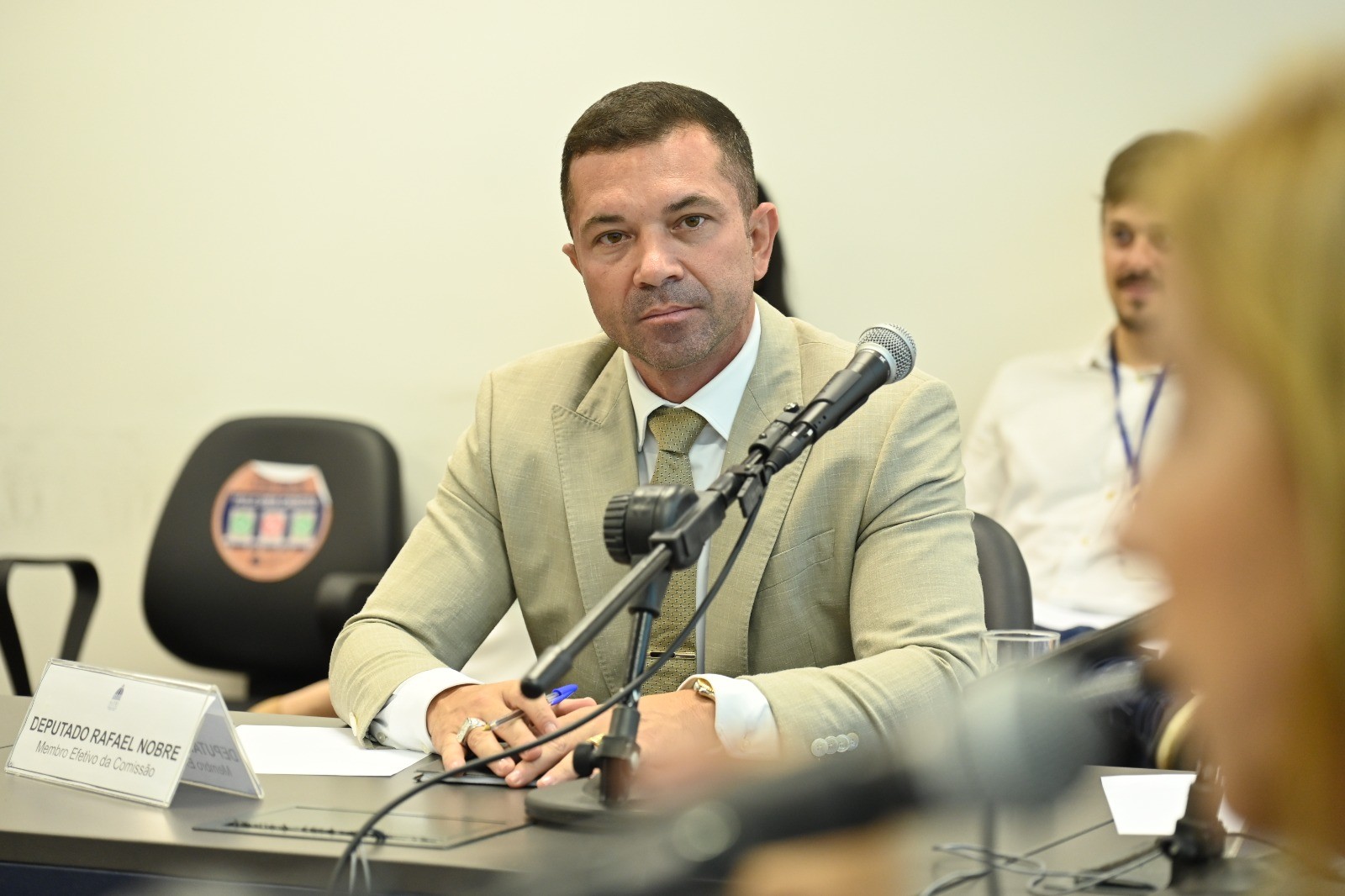
Dozens of layoffs were published in the State Official Gazette of Rio de Janeiro on Monday, October 27th. Among the affected agencies is the Public Deposit, responsible for safeguarding assets seized by the judiciary. Nineteen individuals were dismissed, including a cousin of State Deputy Rafael Nobre (União Brasil). The Secretariat of State for Energy and the Sea Economy (Seenemar), recently dissolved, also saw numerous dismissions published in the Gazette. Sources indicate that appointments at the Public Deposit were influenced by Deputy Nobre, who is currently under investigation by the Public Ministry for alleged fraud in public tenders. His companies are suspected of receiving R$357 million in contracts with municipalities in the Baixada Fluminense region. Seenemar, politically associated with State Deputy Alexandre Knoploch (PL), had executives appointed by the parliamentarian, despite his denials of managerial influence. The dissolution of Seenemar is part of a state administrative reorganization, integrating its functions into the Secretariat of Economic Development, Industry, Commerce, and Services (Sedeics). The former secretary, Thiago Soares, and Patrícia Seabra, wife of Deputy Knoploch, were among those dismissed last week. Deputy Knoploch stated his participation in Seenemar events was as a parliamentarian and that his wife's appointment was based on her credentials in the naval sector. Deputy Nobre denied any knowledge of the layoffs or influence over executive branch administrative actions.
The recent wave of dismissals across Rio de Janeiro state agencies, including the Public Deposit and the dissolved Seenemar, signals a significant administrative restructuring potentially driven by fiscal pressures or political realignments. The alleged involvement of State Deputies Rafael Nobre and Alexandre Knoploch in appointments and management within these bodies, coupled with ongoing investigations into Deputy Nobre's business dealings, highlights potential governance vulnerabilities. This situation underscores the critical importance of transparent appointment processes and robust oversight mechanisms to prevent conflicts of interest and ensure public funds are managed effectively. As Rio de Janeiro navigates its administrative reforms, the focus will likely remain on optimizing resource allocation and strengthening institutional integrity to foster public trust and economic stability in the coming years.
AI-generated to prompt reflection — not editorial opinion, not advice, not a statement of fact. How this works.