Rio de Janeiro Storm: Experts Explain Difficulty in Predicting Extreme Wind Gusts
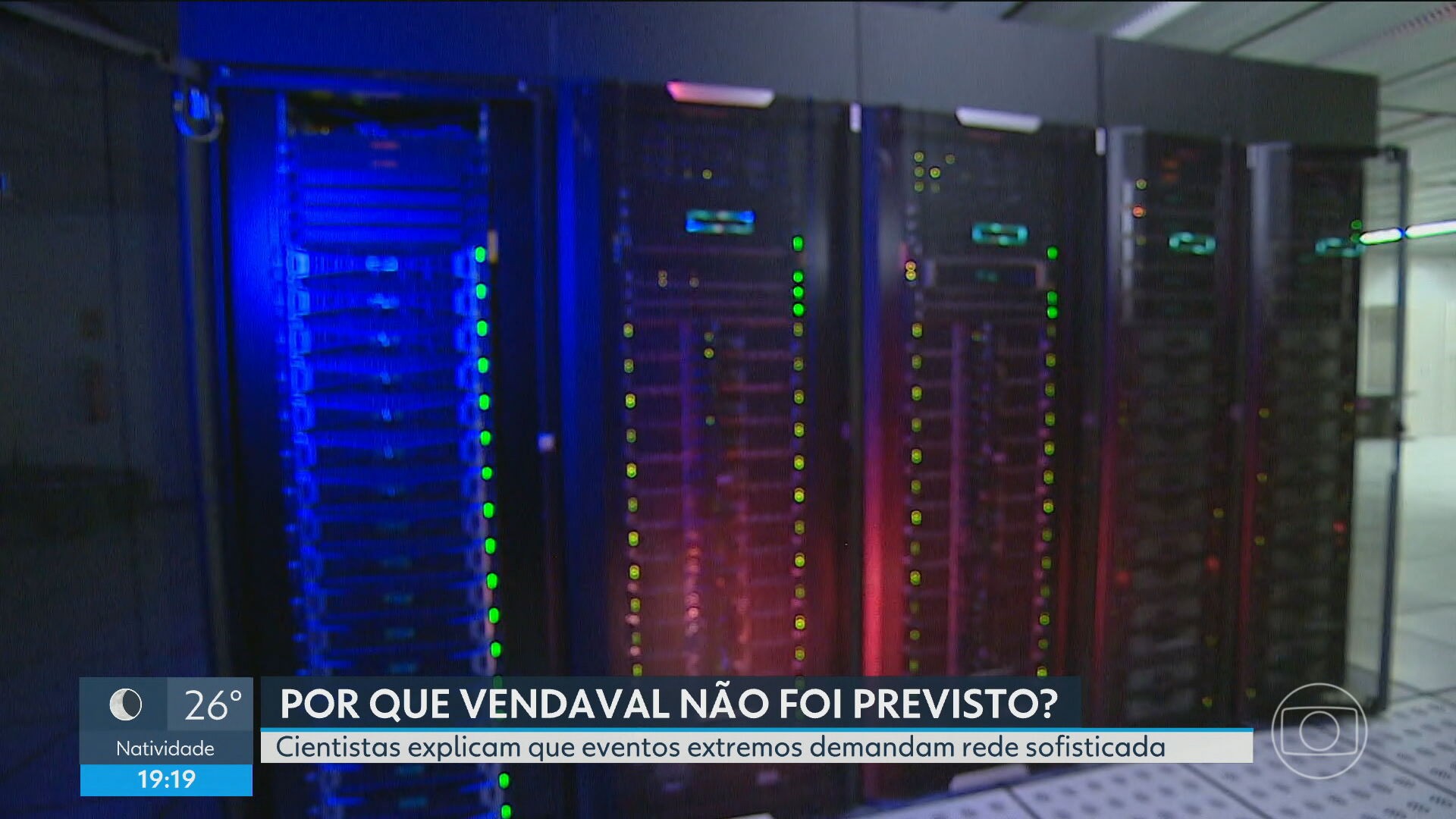
A severe windstorm that struck Rio de Janeiro on Wednesday, November 29th, caught residents and authorities by surprise, with gusts exceeding 100 km/h causing fatalities, uprooted trees, and damaged homes. Meteorologists and researchers have explained that extreme weather events, particularly those involving intense wind gusts, are inherently difficult to predict with high accuracy. The phenomenon was attributed to a "gust front" resulting from the interaction of different air masses, further intensified by wind shear. Experts also suggested a potential link to El Niño conditions, noting that the storm's intensity and timing were unexpected. The municipal Civil Defense issued an alert at 4:40 PM, only after the winds had already begun, as available forecasts indicated much lower wind speeds, around 60-70 km/h, rather than the observed over 100 km/h. Improving the prediction of such extreme winds requires more sophisticated meteorological models, an expanded radar network, and trained teams capable of rapid data interpretation and alert dissemination. Brazil currently has approximately 40 meteorological radars, with only three in Rio de Janeiro state, a number experts believe should be at least doubled. Beyond equipment, significant investment is needed for maintenance, operation, and specialized personnel. The new Jaci supercomputer at INPE, costing R$30 million, enhances data processing but cannot solely solve the prediction challenge; it must be combined with robust observation networks and expert analysis. Long-term investment in training research teams and response groups is crucial, especially as climate change increases the frequency and intensity of extreme events. One meteorologist, Giovanni Dolif, using a private monitoring network, foresaw the possibility of a shear line and strong winds reaching Rio, issuing a social media alert before the storm hit, despite official forecasts being less severe. Ironically, an event scheduled to discuss El Niño and climate change had to be canceled due to the extreme weather, underscoring the urgent need for improved monitoring and response capabilities.
The recent severe windstorm in Rio de Janeiro highlights critical infrastructure gaps in Brazil's meteorological forecasting capabilities. While advancements in computational power, exemplified by INPE's new supercomputer, are beneficial, they are insufficient without a parallel investment in ground-level observation networks and specialized human expertise. The event underscores a systemic challenge: the disconnect between advanced modeling and real-time, localized data acquisition and interpretation, particularly for rapidly developing phenomena like wind shear. As climate change intensifies extreme weather events globally, Brazil faces a growing imperative to treat meteorological preparedness not as a discretionary expense but as a strategic, long-term investment in public safety and resilience. Failure to do so risks recurring disruptions and escalating human and economic costs, necessitating a comprehensive strategy that integrates technology, infrastructure, and skilled personnel to anticipate and mitigate future impacts.
AI-generated to prompt reflection — not editorial opinion, not advice, not a statement of fact. How this works.