Rio de Janeiro Tax Revenue Surges After Refit Refinery Closure
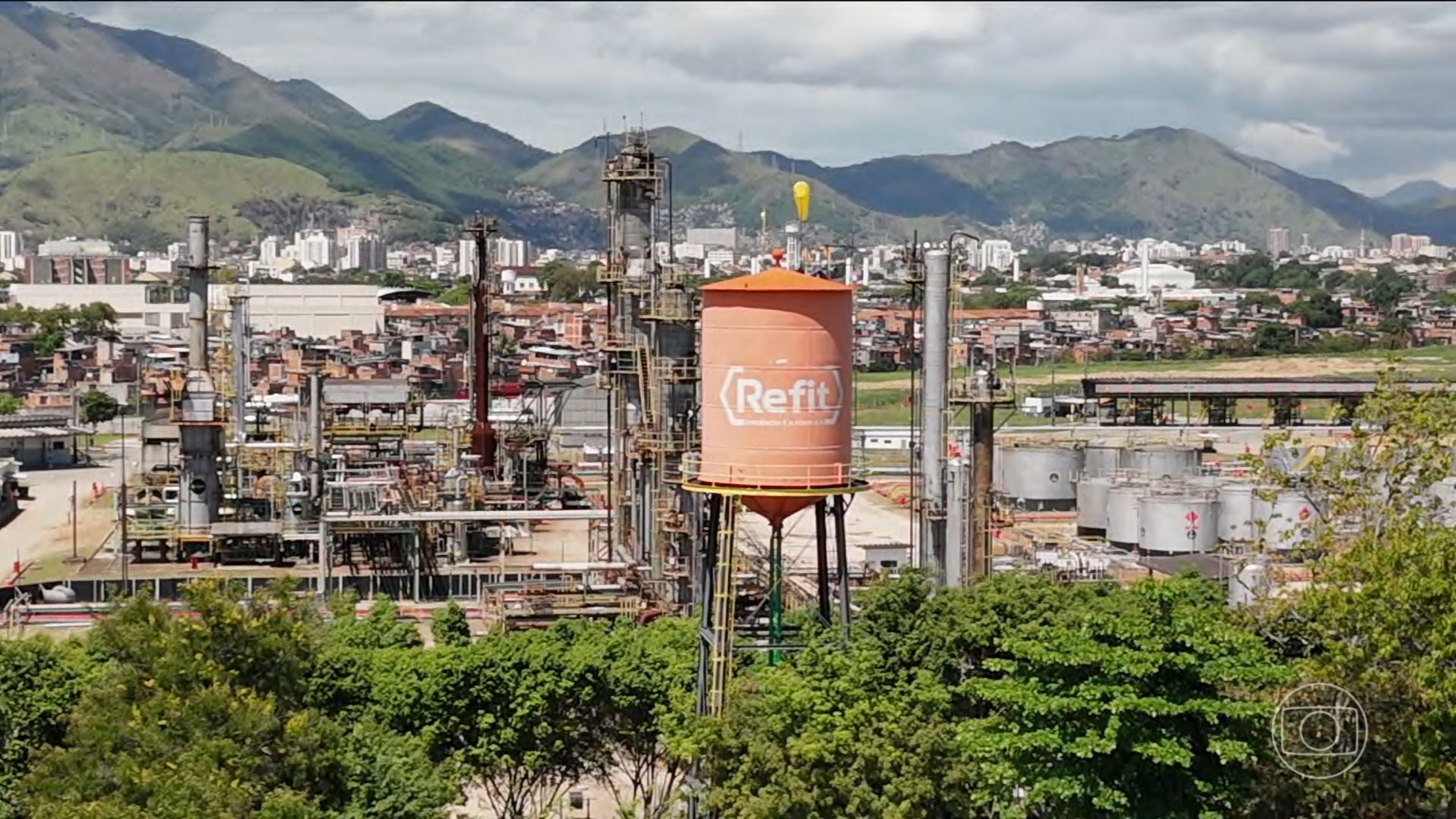
The state of Rio de Janeiro has experienced a significant 34.9% increase in tax revenue from the fuel sector in the first half of the current year. This surge amounts to nearly R$ 400 million more in ICMS (Value Added Tax) collected compared to the entirety of 2025. The primary driver for this enhanced collection is the closure of the Refit refinery, formerly known as Refinaria de Manguinhos, and the dismantling of its alleged tax evasion distribution network. These financial figures contradict earlier assertions by the administration of Governor Cláudio Castro, which predicted losses for the state following the refinery's shutdown. At the time of Refit's interdiction, the State Attorney General, Renan Miguel Saad, had argued in court for its reopening, citing potential "relevant prejudice" to the state. He claimed the company's cessation of payments on its tax debt recovery agreement could jeopardize approximately R$ 1 billion in expected state revenue. However, reality proved otherwise, with ICMS collection in the fuel sector growing substantially after Refit's activities were halted and its distribution structure, under investigation for tax fraud, was dismantled. In contrast, overall ICMS collection across all economic sectors in Rio de Janeiro rose by 15.9% during the same period, indicating a localized issue within the fuel industry. Refit is reportedly one of the country's largest tax debtors, with alleged debts totaling R$ 50 billion, according to Minister Alexandre de Moraes's findings in the "Sem Refino" operation. Recent decisions by Governor Ricardo Couto to eliminate tax deferral benefits and increase fiscal barriers are also credited with boosting overall tax collection.
The substantial increase in Rio de Janeiro's tax revenue following the closure of the Refit refinery and the dismantling of its distribution network suggests a significant impact from alleged tax evasion activities. This outcome challenges prior governmental concerns about potential fiscal harm from the refinery's interdiction, highlighting a potential disconnect between stated government positions and observed economic realities. The data implies that the state's fiscal health may have been negatively influenced by the alleged illicit practices of certain entities, and that regulatory enforcement can yield positive revenue outcomes. This situation underscores the importance of robust oversight and enforcement mechanisms to ensure fair tax contributions across all sectors, particularly in industries prone to complex financial structures. Future policy considerations might involve strengthening auditing capabilities and reassessing incentive structures to prevent the erosion of public revenue.
AI-generated to prompt reflection — not editorial opinion, not advice, not a statement of fact. How this works.