Rio de Janeiro to Add 1,400 New Buses in Fleet Overhaul
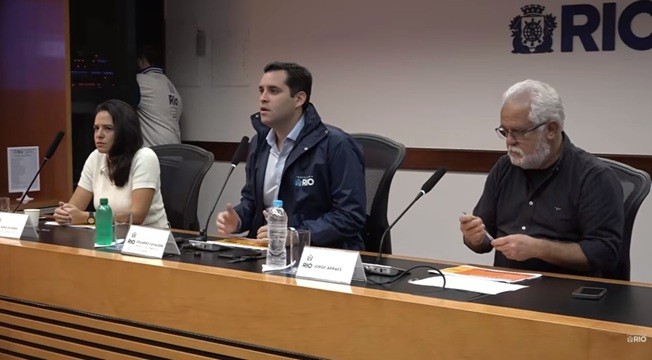
The Rio de Janeiro City Hall has announced the tender for the second phase of its municipal bus system renovation, aiming to introduce approximately 1,400 new buses. This initiative is expected to increase the operational bus fleet in the city by 57%. The new vehicles are slated to begin service in the first quarter of 2027. The second phase will focus on specific regions including Guaratiba, Santa Cruz, Campo Grande, Bangu, Vila Isabel, and Ilha do Governador. The announcement was made at the Rio Operations Center (COR), with Mayor Eduardo Cavaliere stating the goal is to renew the entire fleet, prioritizing areas with the poorest service. This system overhaul stems from an agreement between the municipality and industry operators in 2022. The project involves restructuring bus operations into 34 lots, moving away from the current model managed by four consortia, and establishing an integrated network without territorial exclusivity for operators. Operator remuneration will shift from a per-passenger basis to a per-kilometer driven model. New contracts will have a 10-year term, half the duration of current ones. The plan also includes establishing four public bus garages in Cosmos, Maré, Senador Vasconcelos, and Ilha do Governador to enhance public control and lower entry barriers for new companies. The first phase, focused on Campo Grande and Santa Cruz, will see 316 new buses enter service by the end of August, following a contract signed in March.
Rio de Janeiro's plan to significantly expand and modernize its bus fleet represents a strategic move to address systemic inefficiencies in public transportation. By shifting the payment model from passenger numbers to mileage, the city aims to incentivize service coverage and operational efficiency, potentially mitigating issues related to route profitability and service quality. The introduction of public garages and a more fragmented operational structure could foster greater competition and public oversight, reducing reliance on existing consortia. However, the success of this large-scale procurement and operational restructuring, particularly under a 10-year contract cycle, will depend on robust oversight and adaptability to evolving urban mobility demands over the next decade. The transition aims to create a more equitable and responsive transit system, but careful management of public funds and contractor performance will be critical.
AI-generated to prompt reflection — not editorial opinion, not advice, not a statement of fact. How this works.