Rio de Janeiro Traffic Chaos: Illegal Parking and Bus Lane Obstructions Worsen Commutes
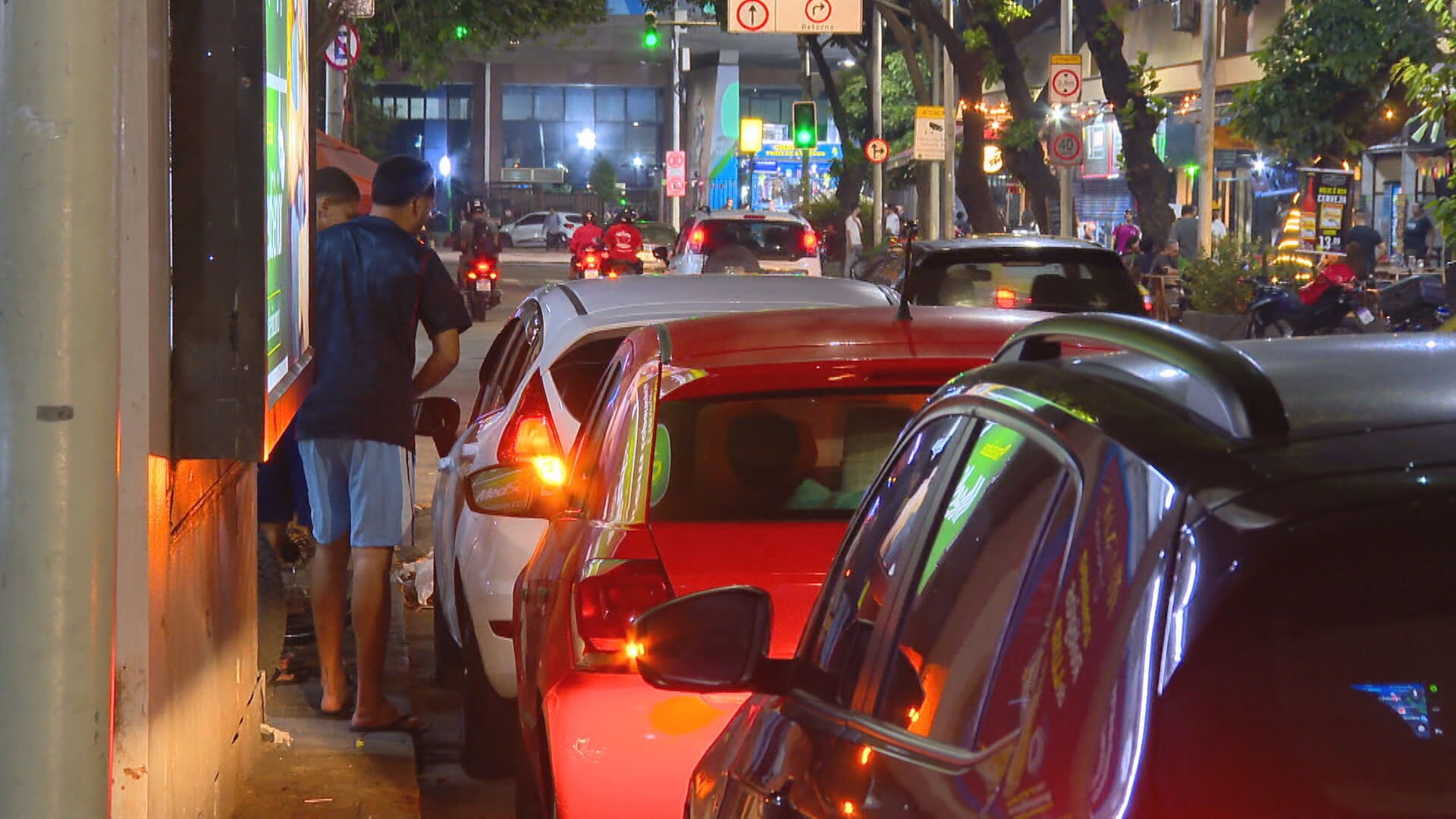
Traffic violations, including double parking, blocking bus stops, and occupying exclusive bus lanes, are significantly worsening traffic flow in Rio de Janeiro. Reports from passengers, bus drivers, and taxi drivers indicate these issues are a daily occurrence across the city's South, North, and West zones. Drivers frequently use hazard lights as a pretext to stop in prohibited areas while shopping or visiting bars, causing significant disruptions. For instance, a car was left in a traffic lane in Botafogo for approximately 40 minutes, forcing other vehicles to reroute. In another incident in the same neighborhood, four individuals left their car, with hazard lights on, to enter a bar, blocking a street lane. Ride-share drivers were also observed waiting for passengers in restricted zones, with one admitting to stopping in a dedicated bus lane. Bus bays are often occupied by cars, compelling buses to stop in live traffic lanes, forcing passengers to board from the roadway, a situation reported at locations like Praia de Botafogo and near Santos Dumont Airport. Even with 'no parking' signs and surveillance, vehicles were found waiting for passengers. In Barra da Tijuca, bus pull-offs were used for parking by cars, motorcycles, and even a utility vehicle, forcing buses to stop in traffic. The problem persists in the North Zone, with buses unable to access stops due to occupation by ride-share vehicles, taxis, and motorcycles, leading passengers to cross streets amidst traffic to board. Vehicles were also seen stopped on pedestrian crossings and at bus stop entrances. According to the Brazilian Traffic Code, stopping is permitted only for passenger boarding and alighting; remaining parked in unauthorized areas while waiting for passengers is a traffic infraction punishable by fines and vehicle removal. The Municipal Guard reported conducting routine inspections and issuing 781 fines in the areas featured since January.
The pervasive issue of illegal parking and obstruction of public transport infrastructure in Rio de Janeiro highlights a systemic challenge in urban traffic management. This behavior, often rationalized by drivers as minor inconveniences or temporary stops, collectively creates significant congestion and undermines the efficiency of public transit. The reliance on hazard lights as a de facto permission for illegal parking suggests a breakdown in enforcement or a widespread disregard for traffic regulations. The Brazilian Traffic Code clearly defines permissible stopping versus illegal parking, yet the observed reality indicates a gap between legal frameworks and on-the-ground compliance. Addressing this requires not only stricter enforcement and penalties, as evidenced by the Municipal Guard's fines, but also a deeper examination of the underlying incentives and urban planning factors that contribute to these behaviors. Future urban mobility strategies must prioritize dedicated infrastructure and public awareness campaigns that reinforce the collective cost of individual infractions, fostering a culture of compliance essential for efficient and equitable city functioning in the coming decade.
AI-generated to prompt reflection — not editorial opinion, not advice, not a statement of fact. How this works.