Rio de Janeiro: Unlicensed parking attendants charge up to R$30 without receipts
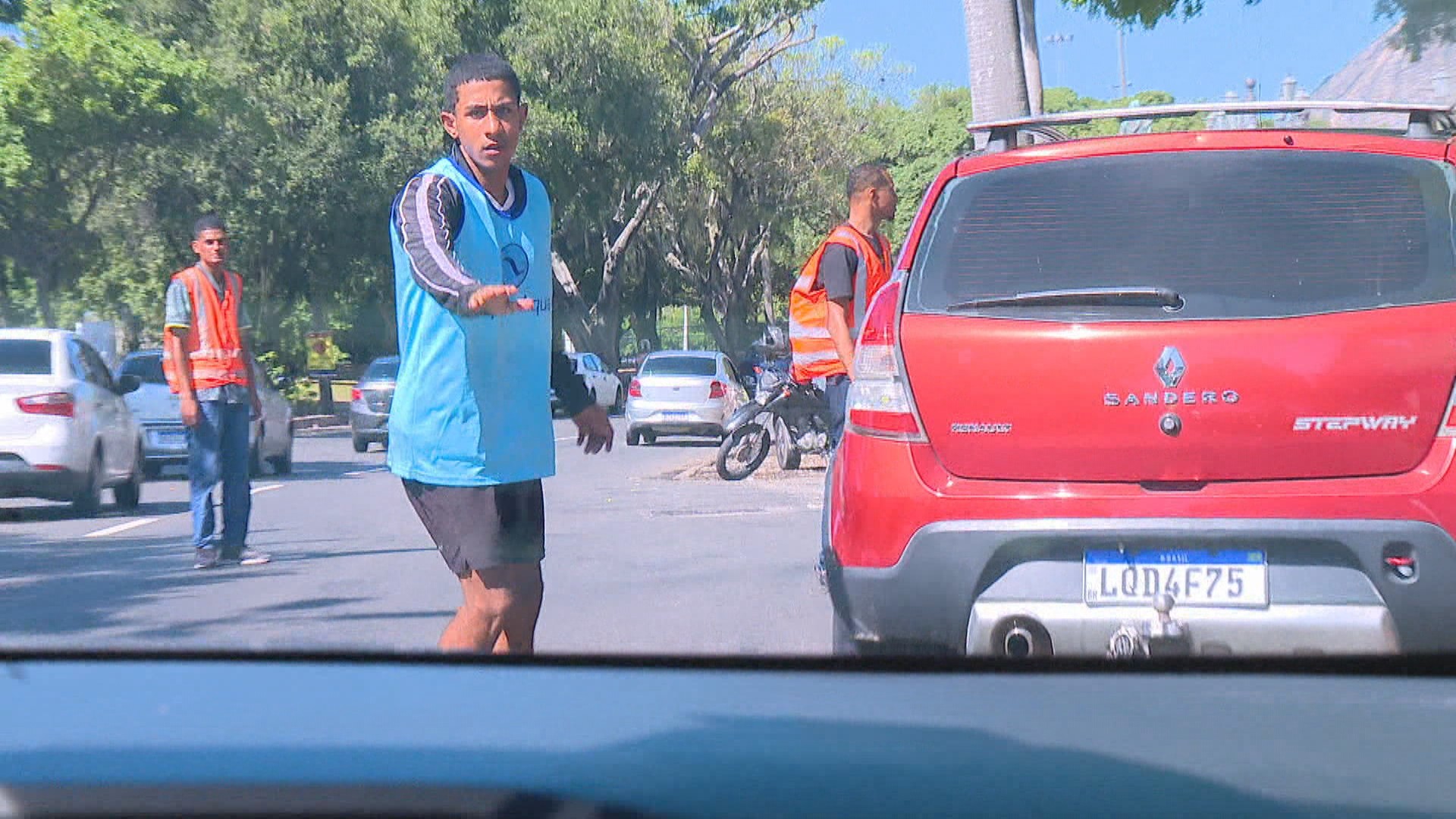
Despite the implementation of Rio Rotativo Digital, a new digital parking system, informal parking attendants, known as 'flanelinhas,' continue to operate illegally in various areas of Rio de Janeiro. On Sunday, February 26th, reporters observed these attendants charging exorbitant fees, significantly higher than the official rates, and failing to issue any receipts or present authorization. In São Cristóvão, near the Feira de Tradições Nordestinas, one attendant initially offered a spot for R$10, but fled when asked for a receipt. Another negotiated down from R$7 to R$5. Near the Quinta da Boa Vista, an attendant first claimed to only accept voluntary contributions but then offered a spot for R$30, which was later negotiated down to R$10. This same attendant also assured drivers there was no risk of fines or towing. In the city center, in front of the U.S. Consulate, an attendant denied making charges, stating a couple had paid him voluntarily. A couple from Minas Gerais reported paying R$30 to park there. In Glória, during a street fair, an attendant demanded R$30 without a receipt and claimed to give R$20 of each payment to municipal guards to allow them to work. Municipal guards were observed in the area. The Rio Rotativo Digital system, currently in a pilot phase around Lagoa Rodrigo de Freitas, charges R$2 for two hours via a mobile app. This weekend, 344 vehicles were fined for irregular parking in the areas investigated. The Municipal Guard stated that any proven misconduct by its agents would be investigated and punished.
The persistent operation of unlicensed parking attendants in Rio de Janeiro, despite the introduction of a digital system, highlights systemic challenges in enforcing regulations and managing public space. The practice of charging inflated prices without official documentation suggests an informal economy that thrives on perceived necessity and a lack of readily available alternatives, potentially exacerbated by inconsistent enforcement. The alleged payments to municipal guards raise questions about governance and the integrity of public service, indicating a possible symbiotic relationship between illegal operators and some officials. This situation creates an uneven playing field for legitimate parking services and can lead to public distrust. Moving forward, a comprehensive strategy is needed that not only expands the digital system but also addresses the underlying socio-economic factors that enable these informal practices and strengthens oversight mechanisms to ensure fair competition and public safety.
AI-generated to prompt reflection — not editorial opinion, not advice, not a statement of fact. How this works.