Rio do Fogo Hosts Lionfish Tournament to Control Invasive Species
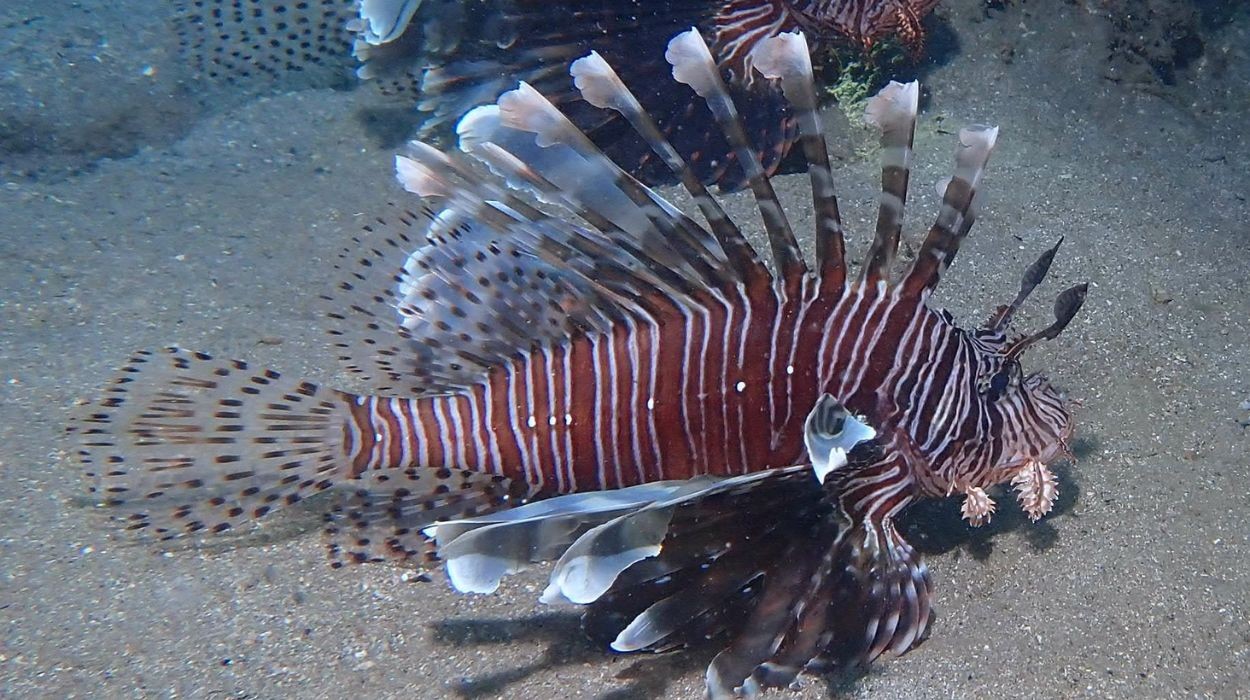
The municipality of Rio do Fogo in Rio Grande do Norte, Brazil, is organizing its first Lionfish Hunting Tournament to address the proliferation of this invasive species along the Potiguar coast. The event aims to encourage artisanal fishing as a method for controlling the lionfish population. The competition offers R$3.5 thousand in prizes, with R$2 thousand for the first place, R$1 thousand for second, and R$500 for third, plus additional prizes for participants. To compete, all participants must attend a mandatory training session scheduled for August 10th. The tournament seeks to combine environmental preservation efforts with raising public awareness about the detrimental impacts of the lionfish. This species poses a significant threat to marine biodiversity because it lacks natural predators in Brazilian waters and reproduces rapidly. Research from the Federal Rural University of the Semi-Arid (Ufersa) highlights the severity of the issue, confirming that the lionfish invasion in Rio Grande do Norte constitutes an "imminent and significant threat to local marine biodiversity, impacting marine ecosystems and the fishing economy." The study analyzed specimens caught between 2022 and 2024 by partner fishermen in the Costa Branca region, primarily in Areia Branca, Porto do Mangue, and Macau. Findings indicated that the lionfish exhibits a growth rate comparable to that in other invaded areas, suggesting the Potiguar coast is conducive to its establishment and spread. The mandatory training will take place at 9 AM on August 10th at Colônia Z-3 in Rio do Fogo. The tournament's primary rule is that the boat catching the most lionfish will be declared the winner.
This initiative by Rio do Fogo demonstrates a proactive, community-based approach to managing an ecological crisis stemming from invasive species. By incentivizing local fishermen through a tournament, the municipality leverages existing economic activities for conservation purposes. This strategy acknowledges the ecological and economic threats posed by the lionfish, as corroborated by scientific research. The mandatory training component is crucial, ensuring that participants are equipped with proper techniques and knowledge, thereby maximizing the effectiveness of the fishing effort and minimizing potential harm to other marine life. Such localized, participatory conservation models can be effective in addressing biodiversity challenges, though their scalability and long-term impact on the broader ecosystem require ongoing monitoring and potentially integration with larger regional or national strategies. The event also serves as a vital public awareness campaign, fostering a sense of shared responsibility for environmental stewardship.
AI-generated to prompt reflection — not editorial opinion, not advice, not a statement of fact. How this works.