Rio Expands 'Zero Tolerance' Program to Coastal Access Streets, Targeting Illegal Trade
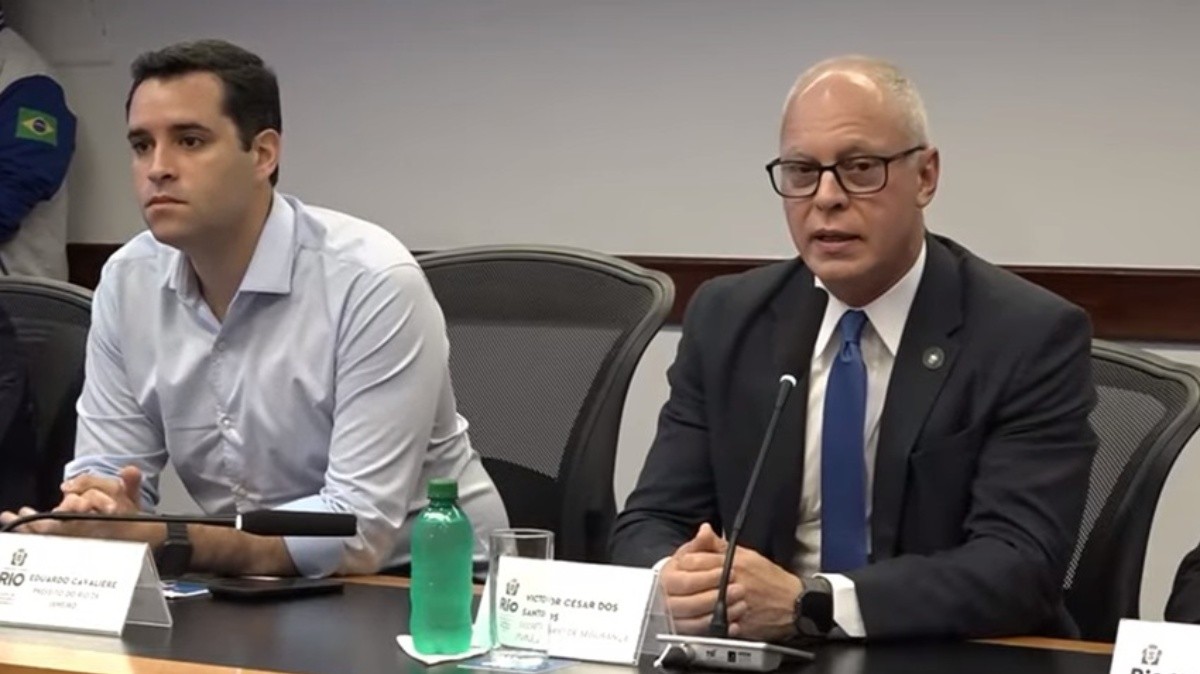
Rio de Janeiro's Mayor Eduardo Cavaliere and Public Security Secretary Victor Santos announced an expansion of the 'Zero Tolerance' program to combat illegal activities. The initiative will now cover streets leading to the beaches of Copacabana, Ipanema, Leme, and Leblon. According to the Municipal Secretariat of Public Order (Seop), initial phases have already resulted in the seizure of illegal goods and equipment, causing over R$655,000 in monthly losses to those involved in irregular commerce.
The expanded program, effective August 5, will target all access roads to the coastline, including major avenues like Nossa Senhora de Copacabana and Rainha Elizabeth. Key objectives include eliminating street robberies, opportunistic crimes against pedestrians, and ensuring the safety of public transport, while preserving heritage and urban order. A daily force of 540 public order agents, 52 municipal guards, and 843 military police officers will be deployed. Daily motorcycle checkpoints will be implemented to address the increasing use of bikes in criminal activities, aiming to identify irregular vehicles and apprehend offenders.
Authorities also highlighted recent incidents of violence, including a disturbance on July 21 and an attack on a Seop vehicle on July 23, which they attribute to organized crime. Investigations are ongoing, with some arrests made and others pursued. The program also focuses on dismantling the supply chain for illegal goods, having already identified over 22 clandestine storage points and seized 15 tons of equipment and 55 kilograms of unfit food since the second phase began. Officials emphasize that illegal coastal trade is a structured economic activity generating significant revenue for criminal organizations, not merely isolated street vending.
Rio de Janeiro's 'Zero Tolerance' program expansion reflects a strategic shift to address the systemic economic drivers of public disorder along its iconic coastline. By targeting illegal commerce and associated criminal logistics, the initiative aims to disrupt revenue streams for organized crime, which officials link to recent acts of violence. The program's success will likely depend on sustained enforcement, intelligence gathering on clandestine supply chains, and its ability to integrate public safety measures with urban planning. Future challenges may involve balancing aggressive enforcement with the livelihoods of informal vendors and ensuring that increased policing does not disproportionately affect vulnerable populations, while also considering the long-term impact on tourism and the city's image.
AI-generated to prompt reflection — not editorial opinion, not advice, not a statement of fact. How this works.
