Rio Governor Cláudio Castro Fulfilled 5 of 20 Campaign Promises; Metro Projects Unfinished
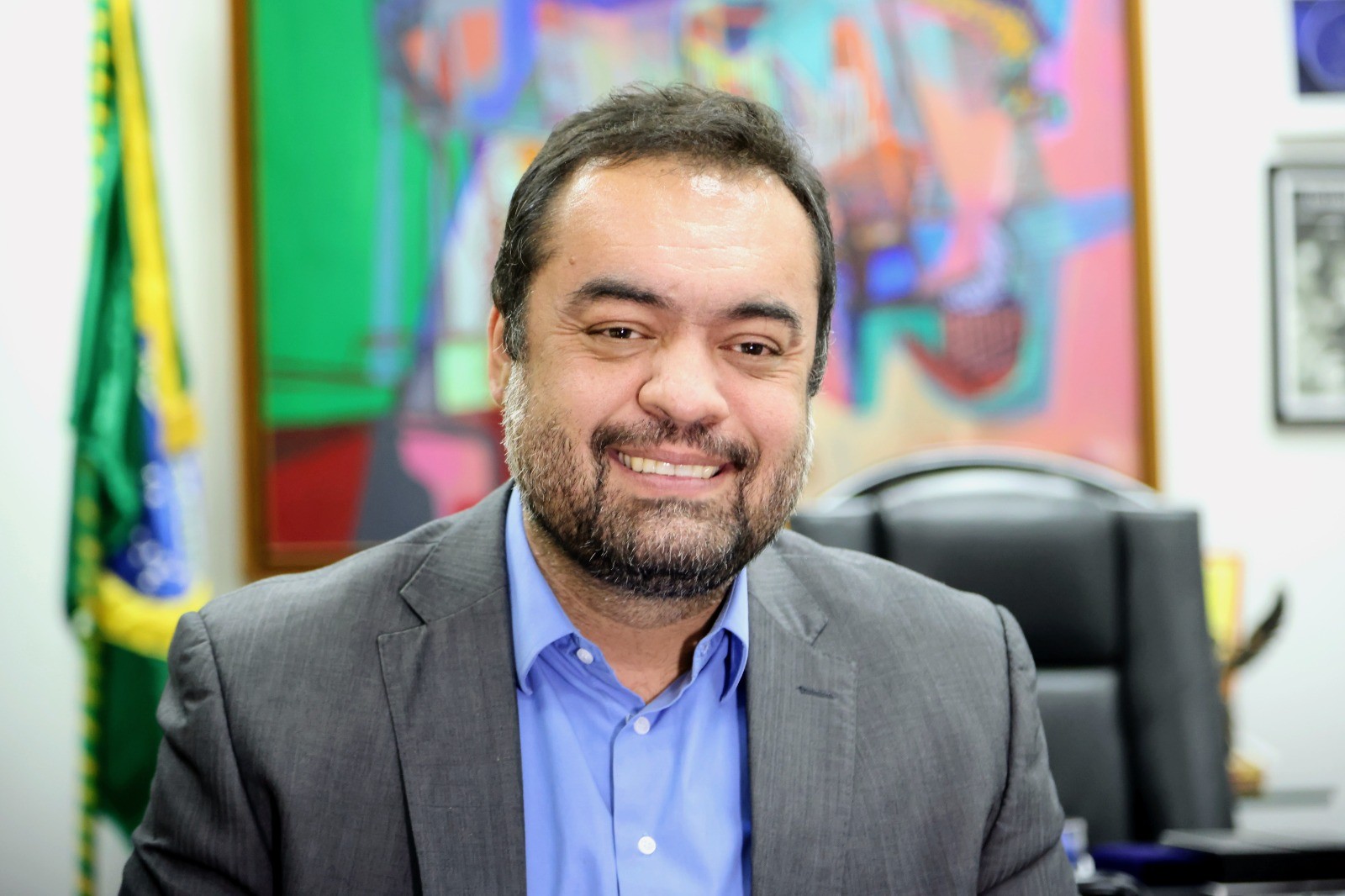
An analysis by g1 reveals that Cláudio Castro, former governor of Rio de Janeiro, fully delivered on only 5 out of 20 campaign promises made during his 2022 campaign. The evaluation covers the period from January 1, 2023, to June 30, 2026, encompassing his tenure before his resignation on May 23 and subsequent disqualification. Of the 20 commitments, 5 were fully met, 6 were partially fulfilled with outstanding issues, and 9 remained unaddressed. Castro's administration prioritized public safety programs, including the expansion of the 'Segurança Presente' initiative, which saw its operational bases increase from 33 to 61. He also promised to reduce police lethality, with data showing a decrease in deaths from police interventions compared to 2022, though 2025 saw an increase over 2024, marked by a particularly lethal operation. Infrastructure projects, such as the reform of state hospitals and the inauguration of a 'Rio Imagem' center in Nova Iguaçu, were completed. However, significant promises, including the construction of a new police training complex and the completion of the Museum of Image and Sound, saw no progress. While some health initiatives aimed at reducing wait times for procedures showed improvements, objective proof of state-wide decentralization of healthcare or the complete elimination of queues was not found. The current acting governor's office stated they focus on austerity and essential services, declining to comment on previous administrations' proposals.
This review of Cláudio Castro's gubernatorial promises highlights a common challenge in public administration: the gap between campaign pledges and on-the-ground delivery. While progress was made in areas like public safety and specific health infrastructure, the incomplete fulfillment of broader promises, such as healthcare decentralization and major infrastructure projects like the metro, suggests potential issues with resource allocation, planning, or political will. The mandatory body cameras, while intended to increase transparency, face implementation challenges, indicating a need for robust oversight mechanisms beyond mere policy pronouncements. The analysis underscores the importance of detailed metrics and transparent reporting to hold elected officials accountable for their commitments, especially in complex urban environments facing persistent challenges.
AI-generated to prompt reflection — not editorial opinion, not advice, not a statement of fact. How this works.