Rio Governor Dismisses 4 Prison Officers Amid Corruption Probe
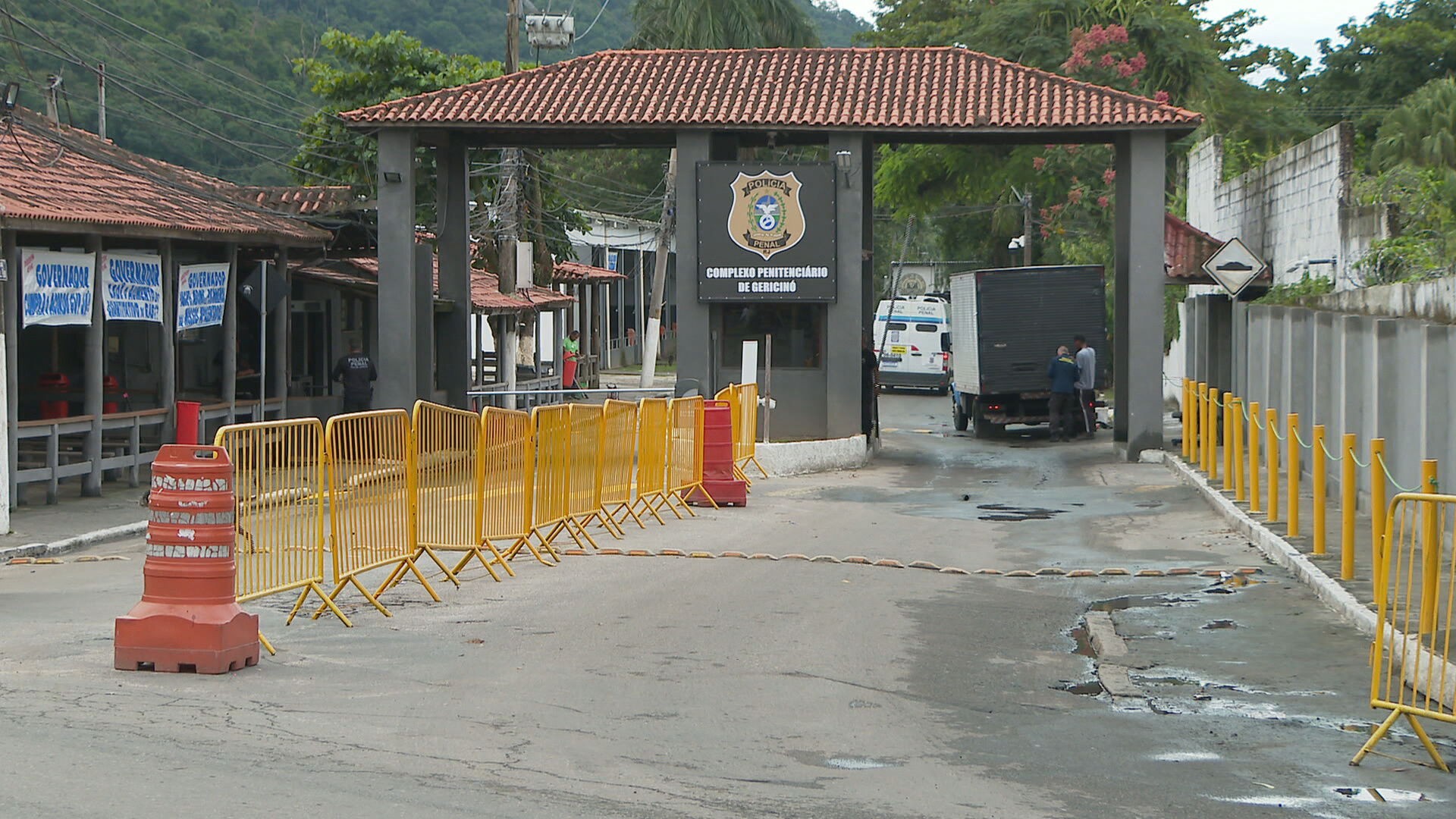
Rio de Janeiro's acting governor, Ricardo Couto de Castro, has dismissed four penal police officers. The decision was officially published in the State Official Gazette on Thursday, May 30th. One of the dismissed officers is under investigation by the Civil Police and Public Prosecutor's Office for alleged involvement in a bribery and false kidnapping scheme. This scheme is reportedly orchestrated from within Rio's prisons by the criminal faction known as 'Povo de Israel'.
Investigators estimate that 'Povo de Israel', formed two decades ago, currently controls approximately 18,000 inmates across 13 state prison facilities, representing about 42% of the total incarcerated population. The dismissals followed a recommendation from the Secretariat of Penal Police's Inspectorate, which had initiated administrative disciplinary proceedings against all four officers. The dismissed officers have been identified as João Paulo de Souza Nascimento, Denilson Barbosa, Diego Leite de Araújo, and Adriano Moraes da Cunha.
Earlier in 2024, João Paulo and four other penal officers were subjects of an operation targeting criminal activities by inmates using cell phones. Investigations revealed that this criminal network, which dominates over 40% of the state's prison population, had generated nearly R$70 million in two years, primarily through cell phone scams. The authorities allege that penal officers received bribes totaling around R$400,000 to facilitate the entry of cell phones into prisons. João Paulo and the other implicated officers were previously suspended from their duties by court order.
The dismissal of four penal police officers in Rio de Janeiro highlights systemic challenges in prison oversight and corruption. The involvement of a powerful criminal faction, 'Povo de Israel,' controlling a significant portion of the inmate population and allegedly colluding with guards, points to deep-seated governance issues within the penal system. The financial scale of the illicit operations, estimated at R$70 million, underscores the economic incentives driving corruption. Moving forward, strengthening internal accountability mechanisms, enhancing technological surveillance to detect contraband like cell phones, and addressing the root causes of inmate radicalization and gang influence will be critical. The case also raises questions about the effectiveness of current disciplinary processes and the potential for external oversight to prevent such breaches.
AI-generated to prompt reflection — not editorial opinion, not advice, not a statement of fact. How this works.