Rio Grande do Norte 2026 Elections: Party Conventions Set for July
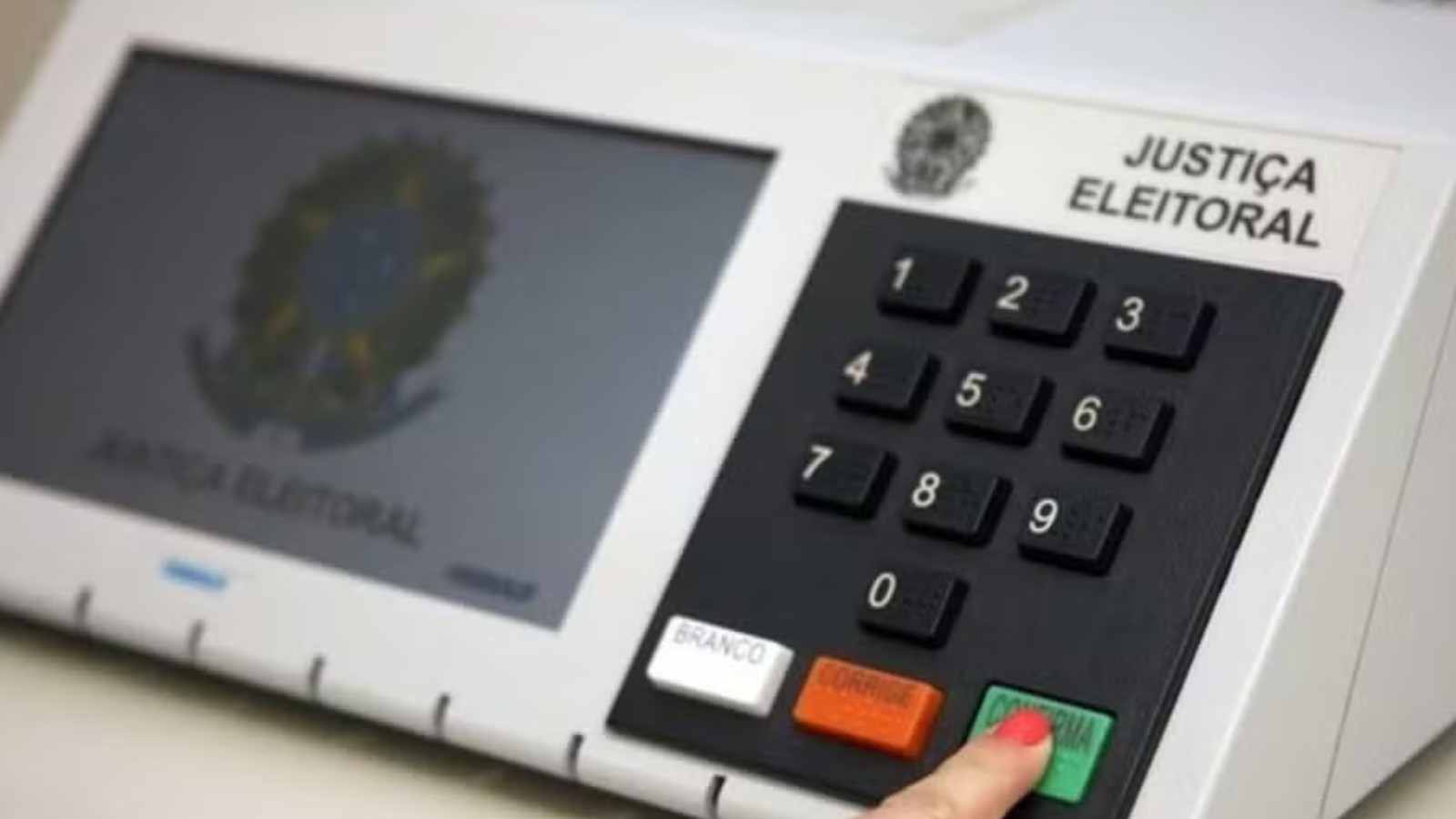
The official period for party conventions in Rio Grande do Norte, Brazil, begins on July 20 and concludes on August 5, 2026. During this time, political parties and federations must select their candidates for the upcoming elections. For the gubernatorial race, parties with pre-candidates have scheduled their events primarily between July 25 and July 30. At least six individuals have already announced their intentions to run for governor. Election law specialist Leonardo Palitot explained that conventions are the initial phase of the electoral process, where party members gather to decide on candidates for majoritarian races and potentially form coalitions. Following these conventions, parties have until August 15 to submit their candidate registrations to the Electoral Justice system. The article details specific convention dates and locations for several parties, including the PT, PV, and PCdoB on July 25; the PL, União Brasil, Progressistas, PSOL, and Rede Sustentabilidade on July 26; and the PSTU on July 30. Palitot emphasized that conventions are not campaign events, which officially commence on August 16, though internal recruitment of party members is permitted. The first round of elections is scheduled for October 4, with a potential second round on October 25. In the first round, voters in Rio Grande do Norte will elect the President, Governor, two Senators, one State Deputy, and one Federal Deputy.
The outlined schedule for party conventions and candidate nominations in Rio Grande do Norte for the 2026 elections demonstrates a structured approach to the electoral process. This period is critical for parties to consolidate their platforms and select representatives, influencing the broader political landscape. The distinction between internal party meetings and public campaigning, with distinct start dates, aims to manage the flow of electoral information and prevent premature influence. As Brazil continues to integrate digital platforms into its elections, the effectiveness of these traditional convention formats in engaging a digitally-native electorate will be a key consideration for future electoral cycles. The process highlights the interplay between legal frameworks, party autonomy, and the public's right to information in shaping democratic outcomes.
AI-generated to prompt reflection — not editorial opinion, not advice, not a statement of fact. How this works.