Rio Grande do Norte Forms Ciguatera Monitoring Committee Amidst 60% Spike in Intoxications
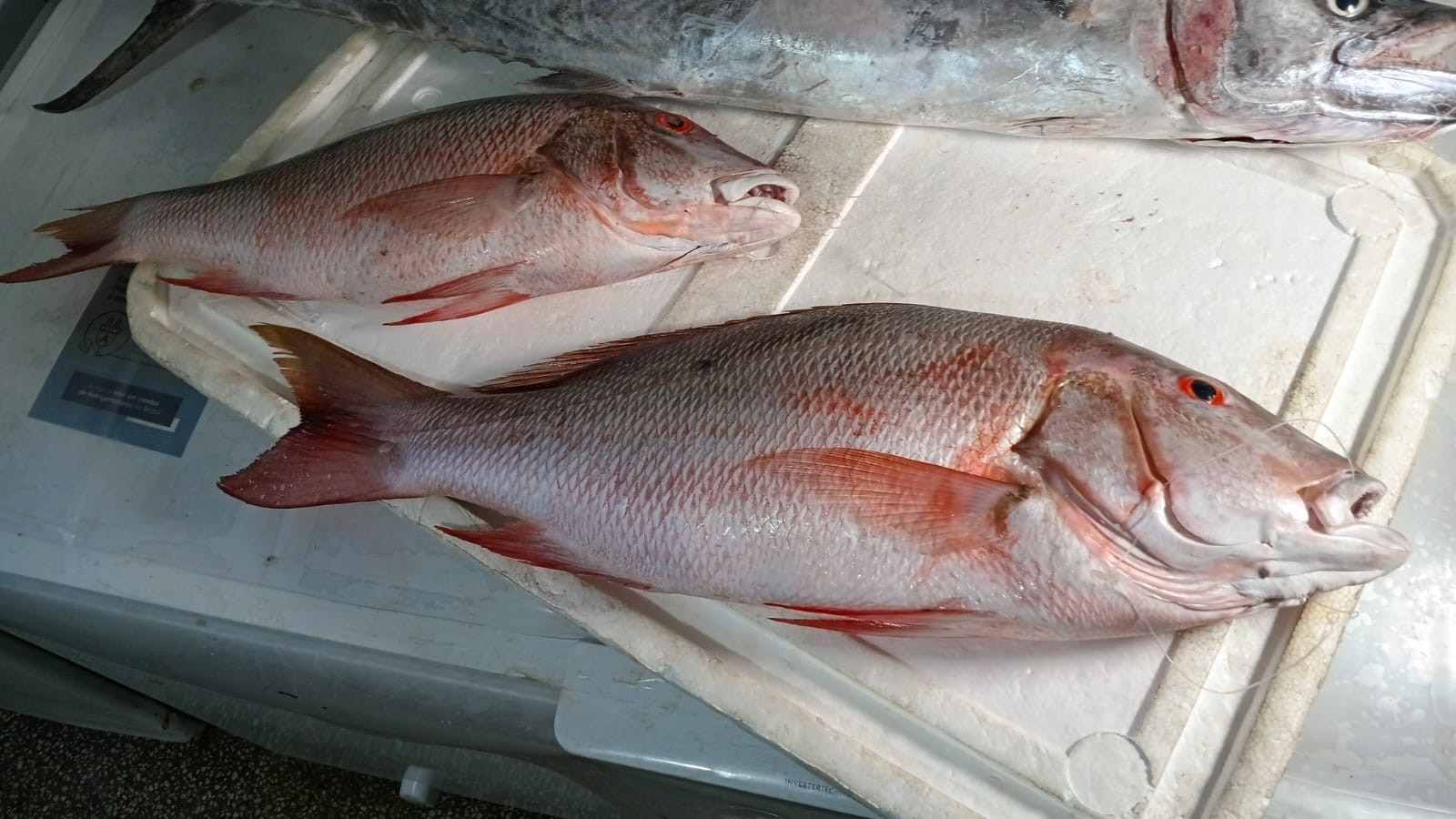
The government of Rio Grande do Norte, Brazil, has established a monitoring committee to track ciguatera poisoning cases and coordinate response strategies. This action follows a significant 60.2% increase in intoxications during the first half of 2026 compared to the entire previous year. The state's Public Health Secretariat (Sesap) reported 141 occurrences in the first six months of 2026, a sharp rise from the 88 cases recorded throughout 2025. Common fish species linked to ciguatera in the region include arabaiana, bicuda (barracuda), cioba, dourado, galo-do-alto, pargo-preto, pescada-branca, robalo, sirigado, and badejo. The committee's formation was decided during a meeting on Monday, June 20th, involving representatives from the State Secretariat of Agriculture and Fisheries (Sape), the Federal University of Rio Grande do Norte (UFRN), and fishing industry entities. The subsecretary of Fisheries, Erilânia Marreiro, emphasized the goal of developing joint measures to mitigate this public health issue. Since 2022, Rio Grande do Norte has documented 259 confirmed ciguatera cases and two deaths across 46 outbreaks. Notably, 64% of these outbreaks occurred after consuming fish at home, while 36% were linked to restaurants and commercial establishments. Ciguatera symptoms typically begin with gastrointestinal distress, such as abdominal pain, nausea, vomiting, and diarrhea, appearing within 48 hours of fish consumption. However, neurological symptoms, including intense itching, body aches, metallic taste, numbness, and altered temperature sensation, are more prevalent and can persist for years. Severe cases may involve cardiovascular complications like low blood pressure and slow heart rate. Sesap advises prompt medical attention for suspected cases, identifying the consumed fish, preserving leftovers for health authorities, and avoiding fish from unknown sources or those associated with previous poisonings.
The escalating incidence of ciguatera poisoning in Rio Grande do Norte highlights a critical public health challenge intertwined with the local fishing economy. The establishment of a multi-agency committee signals a proactive governmental response to a growing threat. This situation underscores the complex interplay between environmental factors, fish consumption patterns, and consumer safety. Future strategies may need to consider enhanced traceability systems for seafood, public education campaigns on identifying at-risk species, and potentially exploring aquaculture or sustainable fishing practices to mitigate exposure. The reliance on domestic consumption for a majority of outbreaks suggests that consumer awareness and safe handling practices at the household level are as crucial as regulatory oversight of commercial sales. Addressing this issue requires a sustained, integrated approach that balances economic interests with the imperative of safeguarding public health in the face of evolving environmental conditions.
AI-generated to prompt reflection — not editorial opinion, not advice, not a statement of fact. How this works.