Rio Grande do Norte Legislature Approves 2027 Budget Guidelines Law
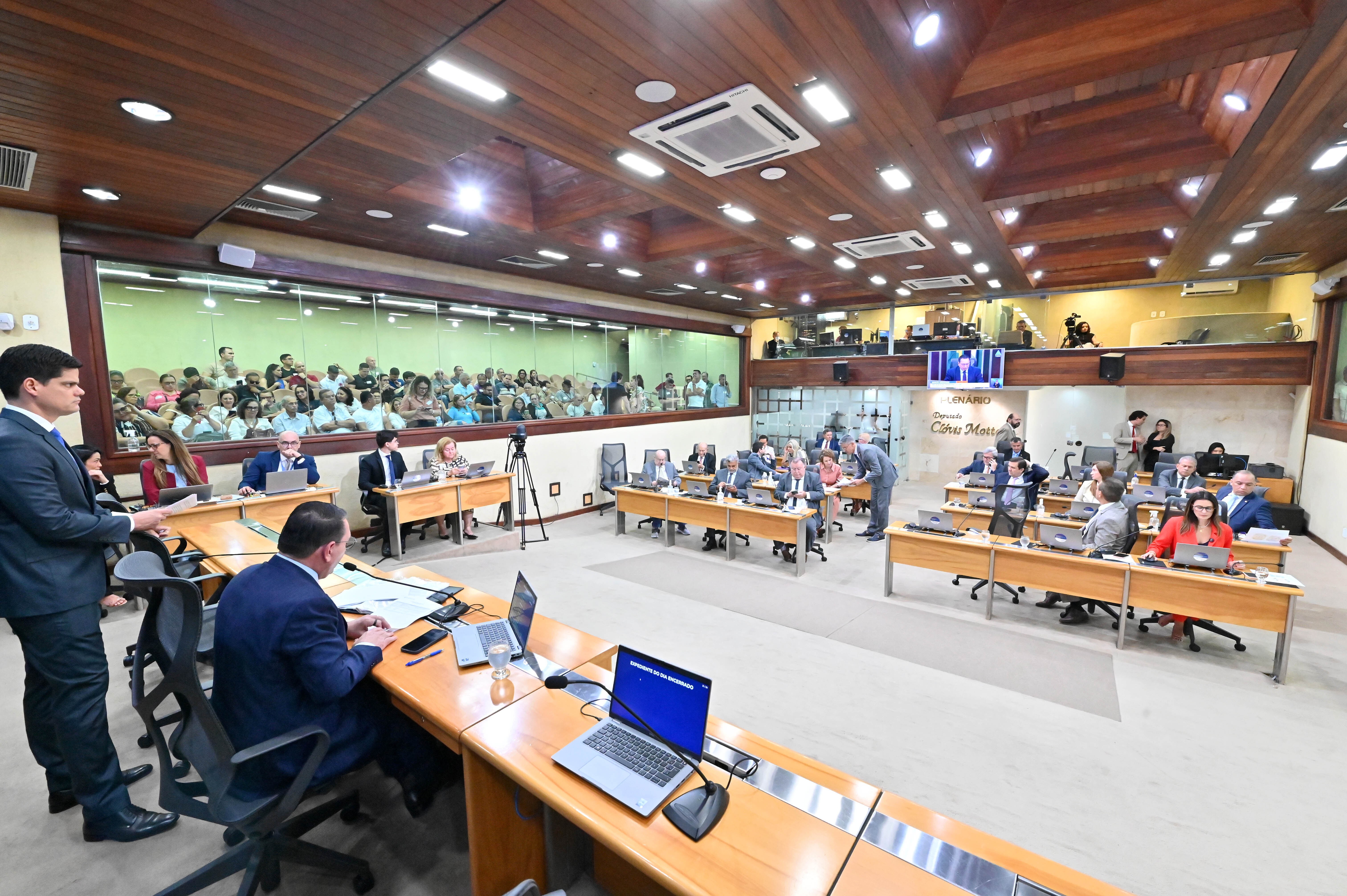
The Legislative Assembly of Rio Grande do Norte (ALRN) has approved the Budget Guidelines Law (LDO) for 2027. This law sets the framework for the state's budget planning and execution for the upcoming year. The projected revenue for 2027 is R$ 22.7 billion, excluding funds from the State Pension System (RPPS). The LDO outlines fiscal goals, priorities, and rules for resource allocation across the three branches of government. Approved unanimously with 20 amendments from the Finance and Fiscalization Committee (CFF), the law includes a reduction in the Executive Power's limit for reallocating budget allocations from 20% to 15%.
Further transparency measures were incorporated, such as the early release of fiscal reports for public hearings, direct access for control bodies to the Integrated System of Planning and Fiscal Management (SIGEF/RN) while respecting data protection, and the publication of all parliamentary amendment execution stages on the Transparency Portal. Of the R$ 22.7 billion forecast, R$ 22.2 billion are primary revenues, comprising R$ 21.9 billion in current revenues and R$ 386 million in capital revenues. Current transfers are the largest revenue source at R$ 11.4 billion, followed by taxes and contributions estimated at R$ 9.6 billion.
The projected Net Current Revenue (RCL) for 2027 is R$ 21.7 billion. While the project meets constitutional and federal financial legislation requirements, the Finance and Fiscalization Committee noted concerns regarding the fiscal scenario. The primary surplus target of R$ 549.3 million relies on a significant fiscal reversal exceeding R$ 2 billion in a single year, reduced operating expenses, continued absorption of the pension deficit, and the absence of unspecified fiscal risks.
The approval of the 2027 Budget Guidelines Law by the Rio Grande do Norte Legislative Assembly demonstrates a procedural step in state fiscal management. The inclusion of enhanced transparency mechanisms, such as early reporting and direct access to fiscal systems, aims to strengthen public accountability. However, the analysis of the projected primary surplus highlights significant fiscal dependencies, including a substantial revenue reversal and cost containment measures, which warrant close monitoring. The reliance on such assumptions suggests potential vulnerabilities in achieving fiscal targets, particularly given the inherent uncertainties in economic forecasting and the dynamic nature of public spending. This situation underscores the ongoing challenge for sub-national governments in balancing ambitious fiscal objectives with realistic economic conditions and robust expenditure control.
AI-generated to prompt reflection — not editorial opinion, not advice, not a statement of fact. How this works.