Rio Grande do Norte Ranks Second in Northeast for Homes Lacking Television
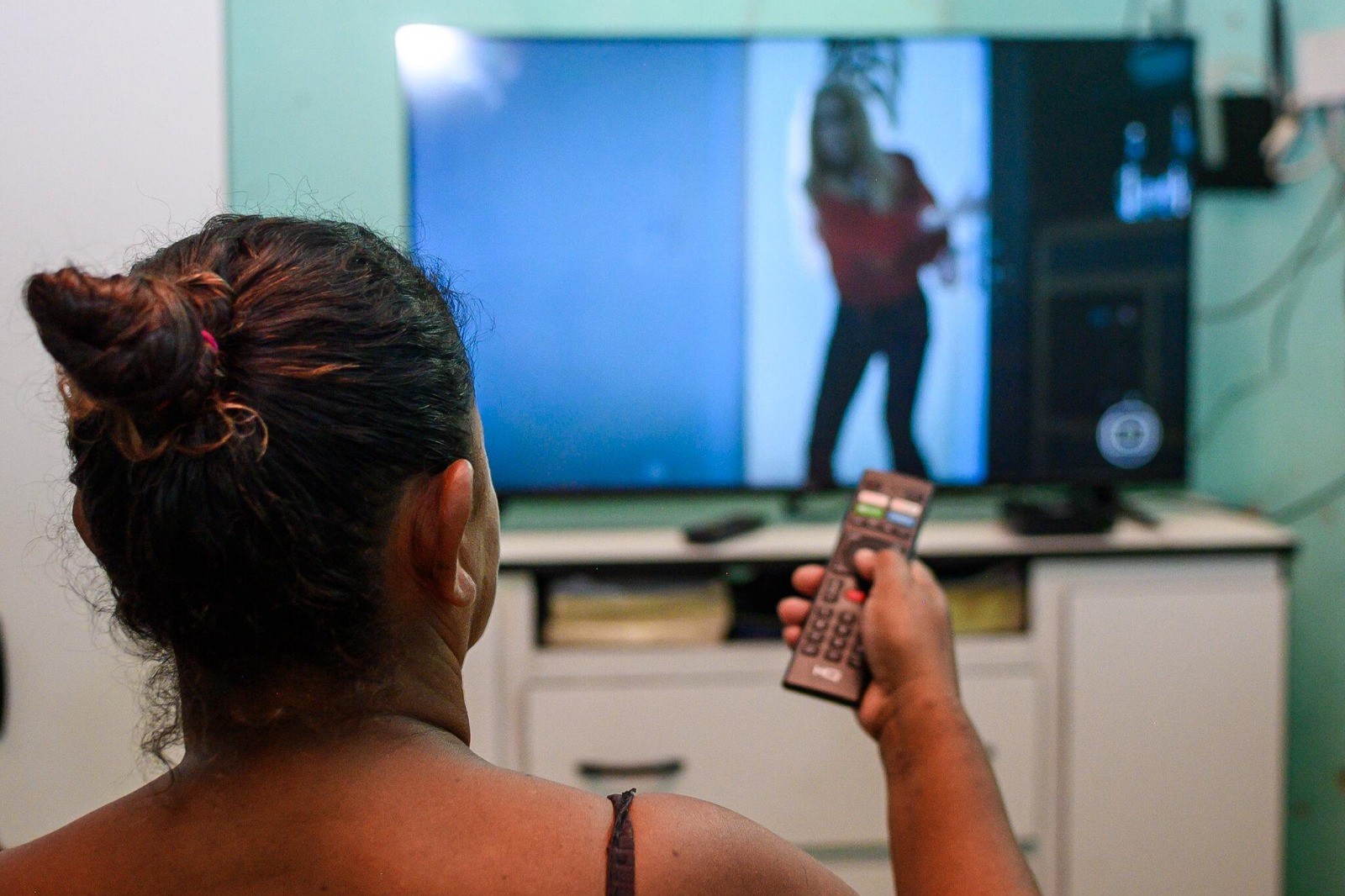
Rio Grande do Norte (RN) has emerged as the second state in Brazil's Northeast region with the highest percentage of households not owning a television, according to data released by the Brazilian Institute of Geography and Statistics (IBGE). In 2025, 9.2% of homes in RN, totaling approximately 119,000 residences, lacked a TV. This figure is surpassed only by Maranhão, which reported 10.4%, and is significantly higher than the national average of 6.1%. These statistics are part of the Information and Communication Technology (TIC) module of the Continuous National Household Sample Survey (Pnad). The data also highlights a substantial increase in TV-less households in the state over time; in 2016, only 2.6% of RN homes did not have a television. Conversely, RN leads the Northeast in internet connectivity, with 94.4% of households having internet access in 2025, exceeding Sergipe's 93.5%. Over 1.21 million residences in RN had internet access during this period, with only 5.6% of households lacking internet, a notable decrease from previous years. Among homes with televisions, 79.4% received analog or digital free-to-air signals, and 92.2% of these had flat-screen TVs (LED, LCD, or plasma). The survey also indicated that 79.6% of RN households do not subscribe to pay-TV services, with 63.5% citing lack of interest and 22.5% pointing to cost as the primary reasons. Furthermore, 68.6% of households with a TV did not subscribe to paid video streaming services. The research also noted a decline in radio ownership, with only 43.1% of RN households possessing a radio in 2025, falling below 50% for the first time.
The IBGE data reveals a complex technological adoption landscape in Rio Grande do Norte, characterized by a divergence between television ownership and internet penetration. While a growing number of households are foregoing traditional television, likely influenced by the increasing availability and preference for streaming services and online content, internet access has become nearly ubiquitous. This shift suggests a redefinition of home entertainment and information consumption, prioritizing internet-based platforms. The cost of pay-TV and streaming services appears to be a significant barrier for a substantial portion of the population, indicating a potential market opportunity for more affordable or accessible digital content solutions. The decline in radio ownership further underscores the broader trend of media consumption migrating to digital and internet-dependent formats, a pattern likely to accelerate in the coming decade as AI integration further personalizes and diversifies content delivery.
AI-generated to prompt reflection — not editorial opinion, not advice, not a statement of fact. How this works.