Rio Grande do Norte Sees 105,000 New Voters, Reaching 2.6 Million for 2026 Elections
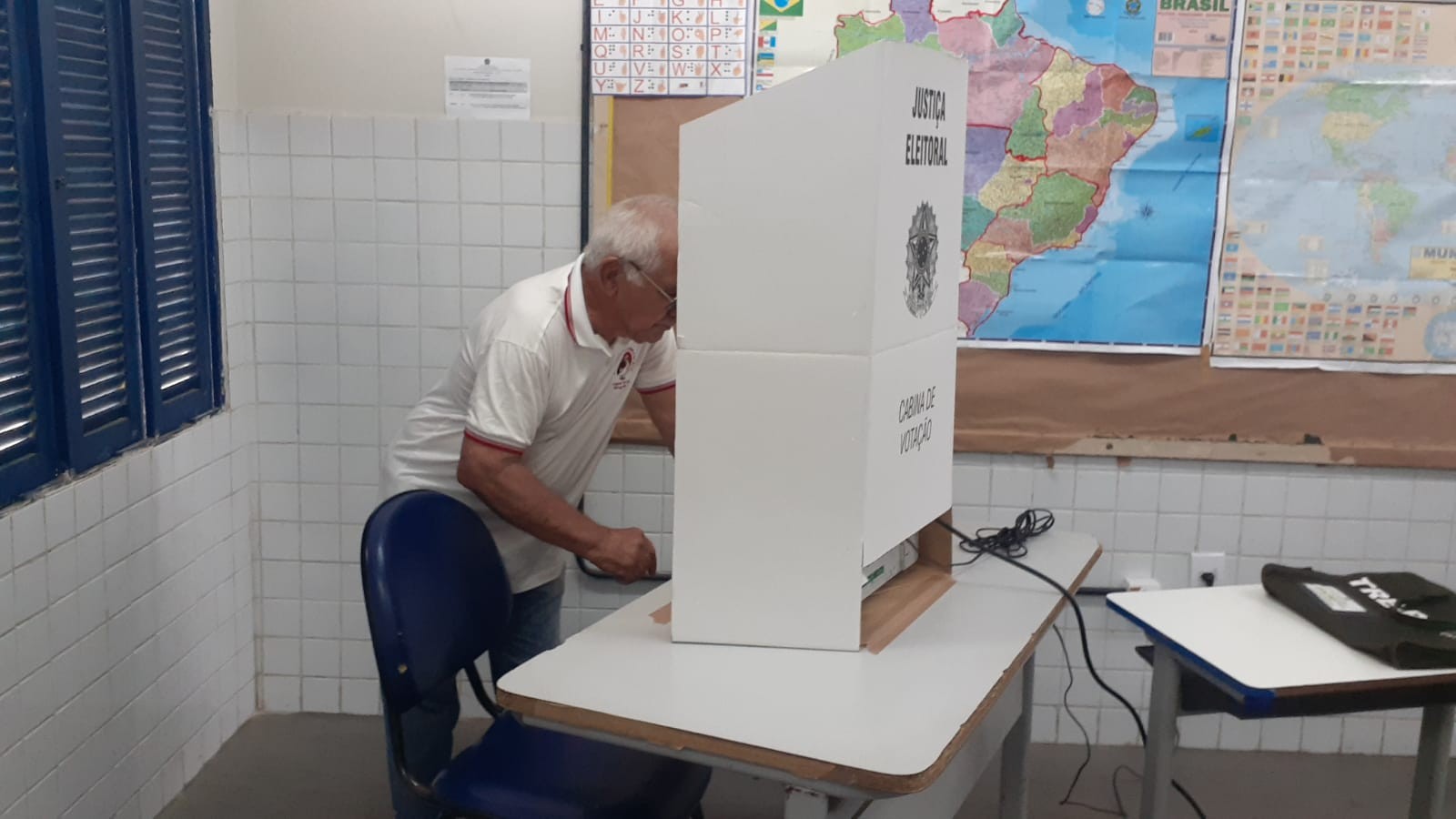
Rio Grande do Norte (RN) will have 2,660,565 eligible voters for the October 2026 general elections, according to data from the Superior Electoral Court (TSE). This represents an increase of 105,838 voters since the 2022 elections, a growth of 4.1%, surpassing the national average increase of 1.46%. The state's electorate has grown by over 413,000 voters since 2010. Voters in RN will elect the President, Governor, two Senators, Federal Deputies, and State Deputies. Women constitute the majority of the electorate at 53%, while men make up 47%. A significant portion of voters, 64%, are single, with married individuals representing 30%. In terms of education, those with completed high school education are the most numerous at 24.64%, followed closely by those with incomplete elementary education (24.21%) and incomplete high school (18.52%). The age group between 40 and 44 years old has the largest concentration of voters (10.24%), with adults forming the majority of the electorate. The state also includes 37,243 voters aged 16 and 17, whose vote is optional, and 1,484 voters aged 100 or older. Among those who declared their race or color, the majority identified as mixed-race (pardo) at 58.2%, followed by white at 32.53%. Natal remains the largest electoral college in the state with 570,517 voters, followed by Mossoró with 187,519 and Parnamirim with 147,101.
The growth in the electorate of Rio Grande do Norte, exceeding the national average, indicates a dynamic demographic shift and potentially increasing political engagement. The detailed breakdown of voter demographics—gender, marital status, education, age, and race—provides a rich dataset for electoral strategy and policy analysis. Understanding these profiles is crucial for political parties and policymakers aiming to connect with diverse segments of the population. The data highlights the importance of addressing educational attainment and the needs of a predominantly single and adult voting population. Future electoral cycles will likely see continued focus on these demographic trends as they shape voting patterns and policy priorities.
AI-generated to prompt reflection — not editorial opinion, not advice, not a statement of fact. How this works.