Rio Grande do Norte Sees 24,000 More Lightning Strikes in 2026 Than All of 2025
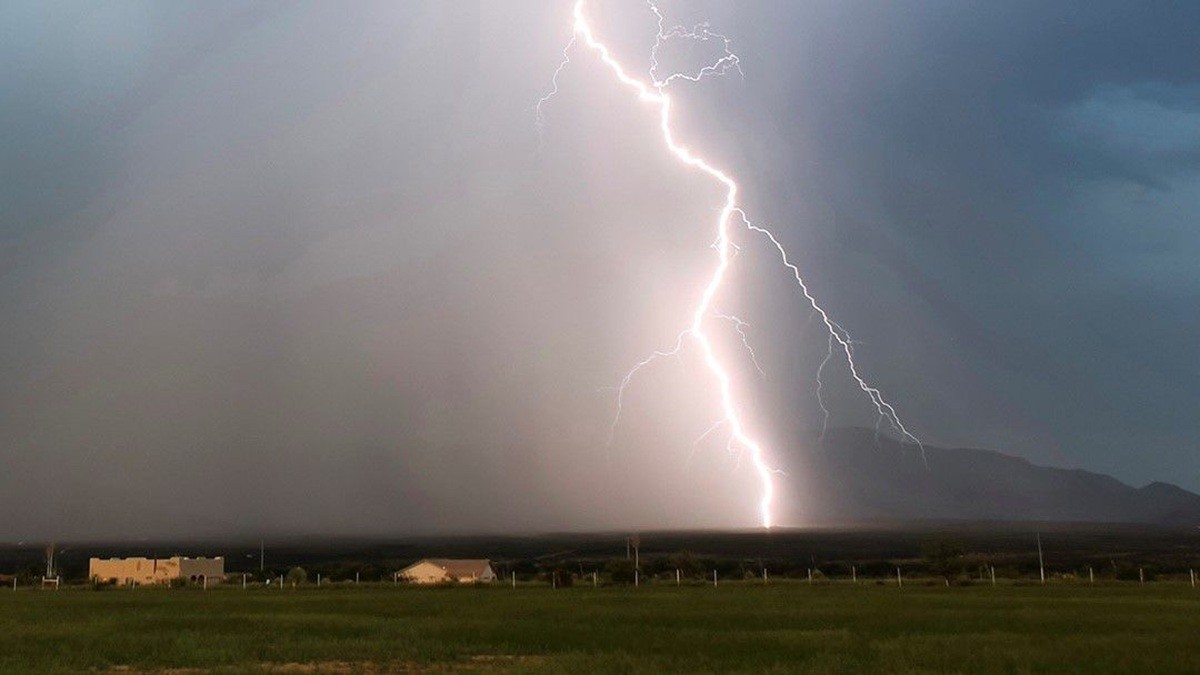
The Brazilian state of Rio Grande do Norte has experienced a significant surge in lightning activity during the first seven months of 2026, recording approximately 24,000 more lightning strikes than the entirety of 2025. According to data released on Thursday, July 16, by Neoenergia Cosern, utilizing Climatempo platform information, the state has been hit by 68,098 lightning strikes up to July 16, 2026. In contrast, the entire year of 2025 saw 43,833 such events. This represents a 58.1% increase compared to the same period in 2025, which recorded 43,056 strikes between January and July. The municipality of Apodi is the most affected, with 3,855 lightning strikes. Other heavily impacted cities include Mossoró (3,571), Caraúbas (3,062), Governador Dix-Sept Rosado (2,986), and Caicó (2,916). The increased lightning activity has impacted the electrical grid, causing power outages for about 260,000 consumer units in the first half of the year. Neoenergia Cosern has responded by installing lightning rods at strategic points and enhancing the use of artificial intelligence in remote-controlled reclosers to identify failures more quickly. The company advises the public to take safety precautions during storms, such as avoiding open areas, trees, and agricultural activities, and seeking shelter in closed vehicles.
The substantial increase in lightning strikes in Rio Grande do Norte, as reported by Neoenergia Cosern, warrants examination of potential environmental shifts and infrastructure resilience. While the data highlights a year-over-year anomaly, a longer-term trend analysis would be crucial to discern if this is an isolated event or indicative of broader climatic changes impacting the region. The company's proactive measures, including AI-enhanced equipment and physical infrastructure upgrades, demonstrate a response to immediate threats. However, the systemic implications of such intensified weather events, particularly on critical infrastructure like the power grid, suggest a need for continuous investment in advanced predictive modeling and adaptive grid technologies. Future planning should consider how to mitigate cascading failures and ensure service continuity in an era where extreme weather events may become more frequent or intense.
AI-generated to prompt reflection — not editorial opinion, not advice, not a statement of fact. How this works.