Rio Grande do Norte State to Auction Seized and Unserviceable Vehicles
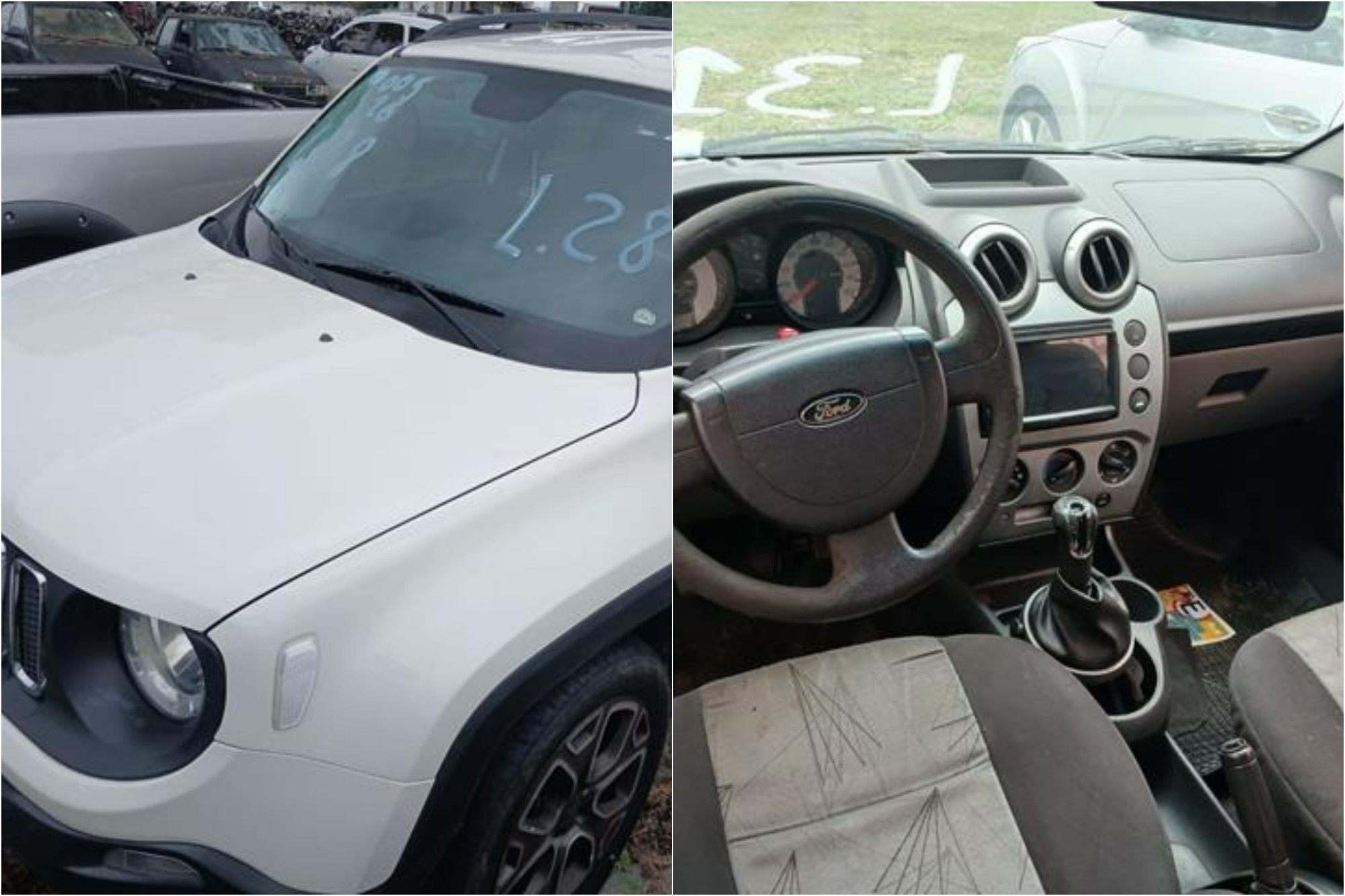
The Department of Transit (Detran) and the State Secretariat of Administration (Sead) in Rio Grande do Norte, Brazil, are set to conduct public auctions for seized vehicles, scrap metal, and vehicle parts throughout July. These auctions, announced in the State Official Gazette, aim to dispose of vehicles impounded for over 60 days and government assets deemed unusable. The Detran auction, held in partnership with the Civil Police, will feature vehicles like a 2018 Jeep Renegade starting at R$ 20,000 and a Ford Fiesta at R$ 5,000. Owners of impounded vehicles have a 15-day window to regularize their situation before the auction on July 24th. The vehicles are located at the Detran yard in São Gonçalo do Amarante and are open for public viewing on July 22nd and 23rd. The Sead auction, scheduled for July 31st, will offer government surplus items, including cars with potential missing parts starting at R$ 1,000 and scrap metal from R$ 100. Participation in the Sead auction is open to registered individuals and businesses, with specific pre-registration requirements for scrap metal lots, which are restricted to licensed dismantling companies. Public viewing for Sead lots is also permitted for visual assessment.
These state-led auctions represent a common governmental mechanism for managing impounded and surplus assets, aiming to recover costs and clear storage. The pricing strategy, particularly the low starting bids for some items, suggests an emphasis on rapid disposal rather than maximizing revenue. This approach can democratize access to vehicles and parts for lower-income individuals and businesses, while also addressing the logistical and financial burden of maintaining large inventories of seized or obsolete property. From a systemic perspective, these events highlight the ongoing challenge governments face in efficiently managing seized assets and the potential for public-private partnerships in asset disposition. The future may see greater integration of digital platforms and data analytics to optimize such processes, ensuring transparency and fairness while minimizing environmental impact from aging vehicle stock.
AI-generated to prompt reflection — not editorial opinion, not advice, not a statement of fact. How this works.