Rio Grande do Norte to Auction 54 Seized Vehicles Online Starting at R$50
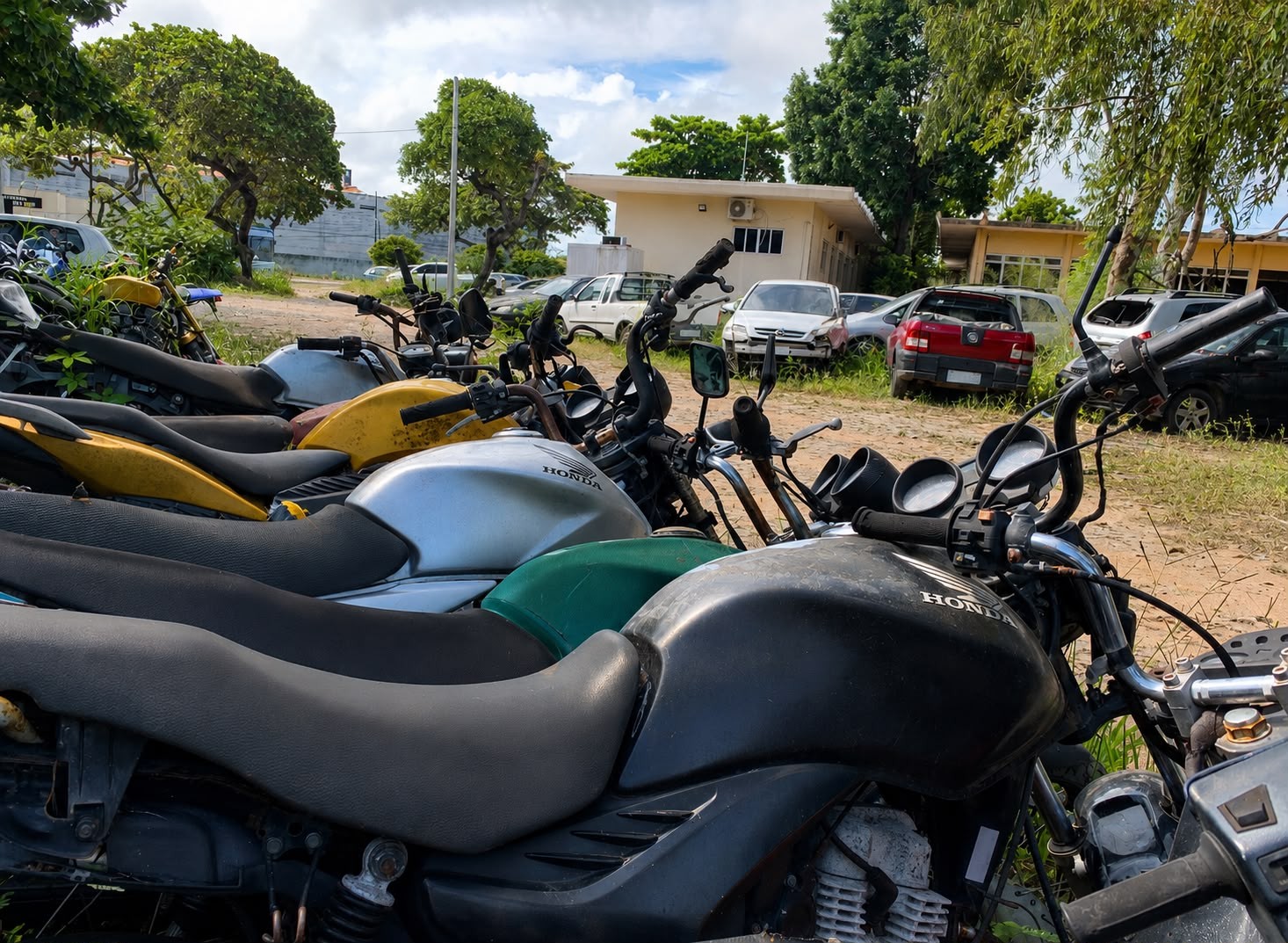
The Civil Police of Rio Grande do Norte, in partnership with the State Department of Transit (Detran/RN), will hold an online auction on Friday, July 24th, at 10 AM. The auction will feature 54 seized and unclaimed vehicles, with initial bids ranging from R$50 to R$55,000. The available lots include both recoverable vehicles and usable scrap metal, all of which were apprehended by the Civil Police and subsequently moved to Detran's accredited yard in São Gonçalo do Amarante. The auction will be conducted exclusively online through the Lance Certo Leilões platform. Participation is open to individuals over 18 years old and legally registered businesses, adhering to the conditions outlined in the public notice. Lots classified as scrap can only be acquired by companies accredited for dismantling by traffic authorities. Interested parties have the opportunity to inspect the vehicles on July 22nd and 23rd, between 8 AM and 4 PM, at the Detran/RN accredited yard located at Avenida Ruy Pereira dos Santos, nº 2.565, in the Olho D'Água neighborhood of São Gonçalo do Amarante. This inspection will be visual only, without the possibility of handling the vehicles or removing parts. This auction is part of the 'Programa Pátio Livre' (Free Yard Program), a cooperative initiative involving the Court of Justice of Rio Grande do Norte (TJRN), its General Corregidor's Office, the Public Prosecutor's Office of Rio Grande do Norte (MPRN), the Civil Police, and Detran/RN. The program aims to expedite the disposition of seized and abandoned vehicles, in accordance with current legislation.
This initiative by Detran-RN and the Civil Police addresses the systemic challenge of managing and disposing of seized vehicles, aiming to clear impound lots and potentially generate revenue. By leveraging an online auction format, authorities can broaden participation beyond local bidders, potentially increasing the value realized from these assets. The program's structure, involving multiple state agencies, suggests an effort to streamline bureaucratic processes that often lead to vehicle abandonment. Future considerations might involve exploring more frequent auctions or alternative disposition methods for vehicles that do not meet scrap criteria, optimizing resource utilization and reducing long-term storage costs. The program's success will depend on transparent execution and adherence to regulations, ensuring public trust and efficient asset management in the digital age.
AI-generated to prompt reflection — not editorial opinion, not advice, not a statement of fact. How this works.