Rio Grande do Sul braces for above-average August rainfall and severe weather due to El Niño
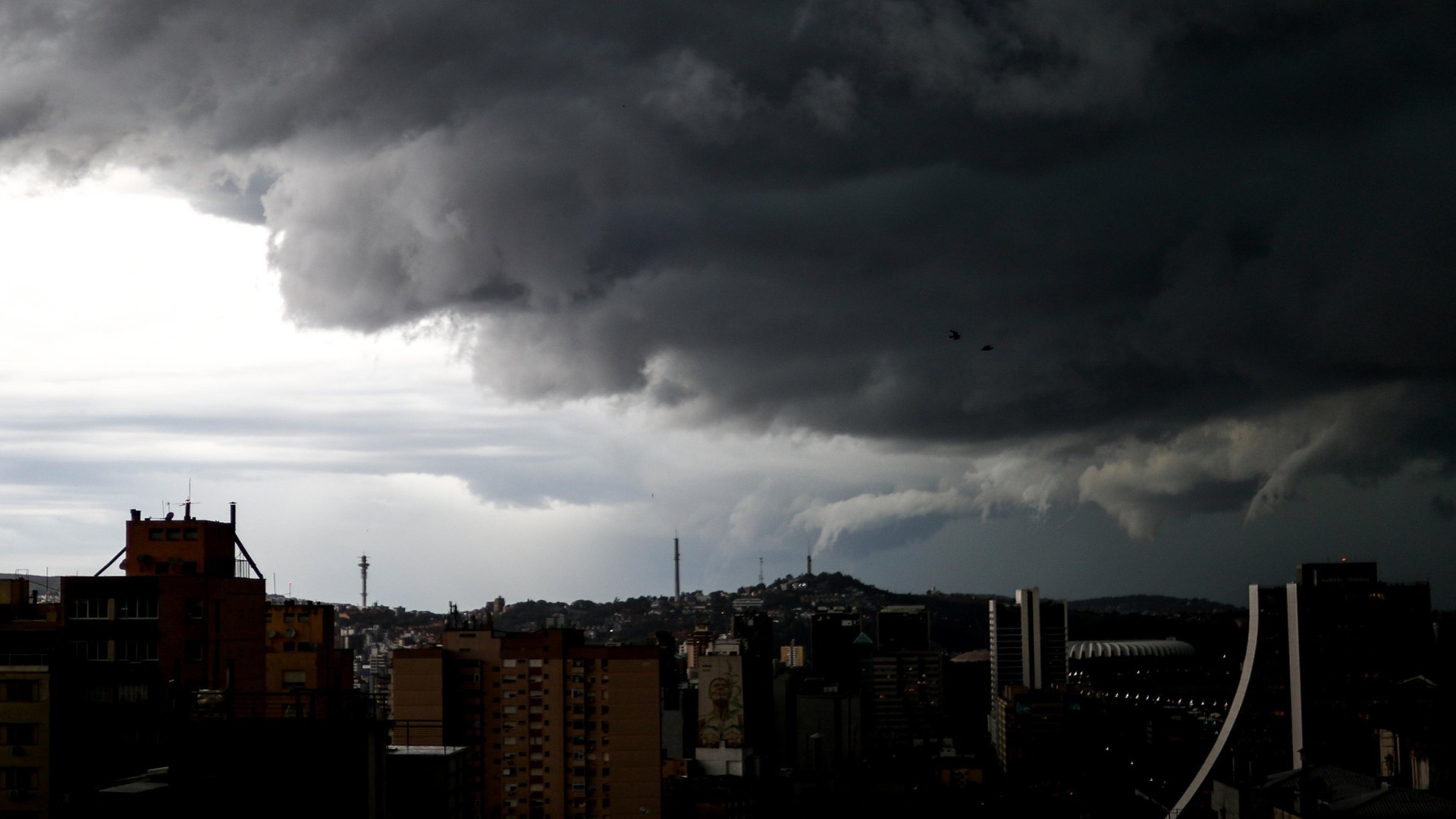
Meteorologists at Climatempo are warning that all regions of Rio Grande do Sul, Brazil, may experience above-average rainfall and a heightened risk of severe weather throughout August. This forecast is influenced by the strengthening El Niño phenomenon in the Pacific Ocean, which is expected to reach a strong to very strong intensity, peaking between spring 2026 and early summer. Additionally, warming in the South Atlantic Ocean is contributing to the formation of cold fronts. The most significant rainfall excesses are predicted for the western parts of the state, including Missões, Noroeste, Planalto, Região Central, and the Taquari and Caí valleys. The second and last weeks of August are expected to be less rainy. In areas like Serra, the Porto Alegre Metropolitan Region, and Litoral, temperatures are forecast to be slightly above average, with excessive cloud cover leading to cooler, humid afternoons and less chilly dawns. Throughout the month, there is a risk of severe weather events such as large hail, strong winds, intense rain, and even tornadoes. Rivers may experience renewed rises due to the substantial volumes accumulated in July. El Niño, a natural climate phenomenon occurring every 2 to 7 years, is characterized by a significant warming of the equatorial Pacific Ocean's surface waters, impacting global weather patterns. While El Niño typically causes droughts in northern Brazil, it leads to increased rainfall in the southern regions. This weekend, a cold front is expected to bring storms and winds up to 100 km/h to the state, with isolated thunderstorms, lightning, and hail possible, followed by a brief period of stable weather before another cold front arrives early next week.
The forecast highlights the recurring challenge of managing extreme weather events in Rio Grande do Sul, exacerbated by the El Niño phenomenon. This situation underscores the critical need for robust public infrastructure and emergency preparedness strategies that can adapt to increasingly unpredictable climate patterns. As global temperatures rise and climate variability intensifies, regional governments must consider long-term investments in resilient infrastructure, advanced early warning systems, and community education programs. Evaluating the effectiveness of current water management policies and flood control measures against the backdrop of projected climate shifts will be crucial for mitigating future risks and ensuring the safety and economic stability of the region. The interplay between oceanic warming and atmospheric conditions presents a complex system that requires ongoing scientific monitoring and adaptive governance.
AI-generated to prompt reflection — not editorial opinion, not advice, not a statement of fact. How this works.