Rio Grande do Sul braces for severe weather: 90 km/h winds, hail, and heavy rain
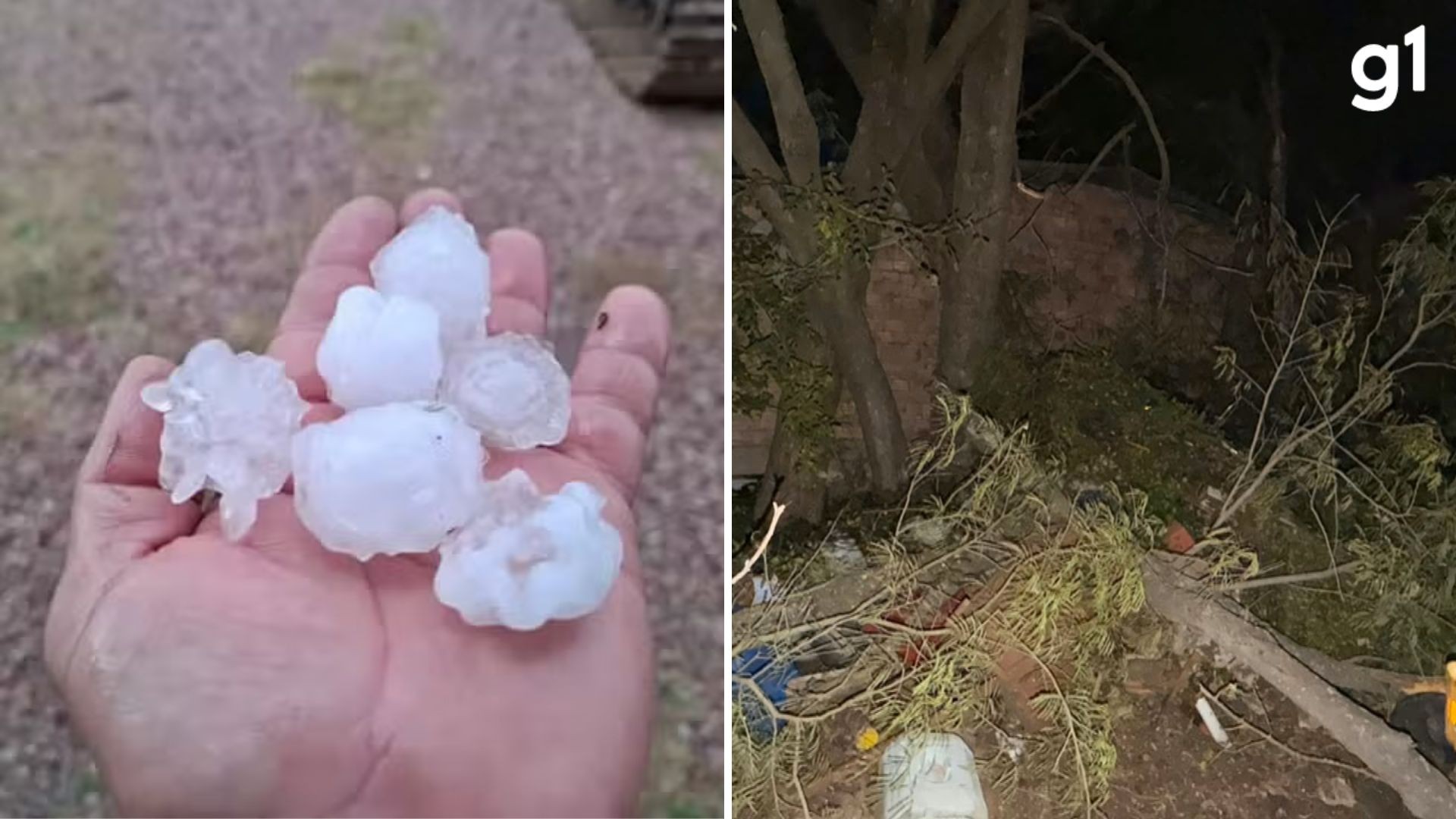
The Brazilian state of Rio Grande do Sul is set to experience severe weather conditions starting Friday, November 17th, and continuing into the following week. Forecasts predict strong winds reaching up to 90 km/h, hail, and significant rainfall exceeding 100 millimeters in a short period, increasing the risk of flooding. Preceding this severe episode, hail was reported in Santa Vitória do Palmar and a tree fell on a house in Uruguaiana on Thursday, November 16th. On Friday, a low-level jet stream will enhance north winds, bringing heat and moisture. The Western Border, Campanha, Central, Missões, and parts of the Western regions are expected to face gusts between 70 km/h and 90 km/h, posing risks of falling branches, roof damage, and power outages. The Metropolitan Region and the Valleys will also experience strong winds, though less intense. Isolated showers are expected Friday afternoon and evening, with Porto Alegre anticipating muggy weather, sunshine interspersed with clouds, and strong winds but low rain probability. Saturday, November 18th, presents a high meteorological risk due to a cold front's advance, bringing intense storms with large hail, frequent lightning, and strong winds, particularly to the Western Border, Campanha, and Central regions where rainfall may exceed 100 mm. Sunday, November 19th, will see the cold front become nearly stationary, causing persistent rain, with the heaviest volumes concentrated in the Western Border, Campanha, Central regions, Missões, and parts of the Valleys, before spreading north. Monday, November 20th, will continue with frequent rain across most regions, though storm intensity will decrease, and saturated ground will maintain disruption risks. Winds are expected to weaken, and temperatures will become mild.
This forecast highlights the increasing frequency and intensity of extreme weather events in Southern Brazil, likely linked to broader climate shifts. The confluence of high winds, heavy precipitation, and hail presents significant risks to infrastructure and public safety, necessitating robust civil defense preparedness. The event underscores the challenge of managing localized, high-impact weather phenomena within a changing global climate system, impacting agricultural yields and urban resilience. Future planning must consider these intensified weather patterns, focusing on adaptive infrastructure and early warning systems to mitigate potential damage and ensure community safety.
AI-generated to prompt reflection — not editorial opinion, not advice, not a statement of fact. How this works.