Rio Grande do Sul Experiences Summer-Like Heat Before Severe Storms
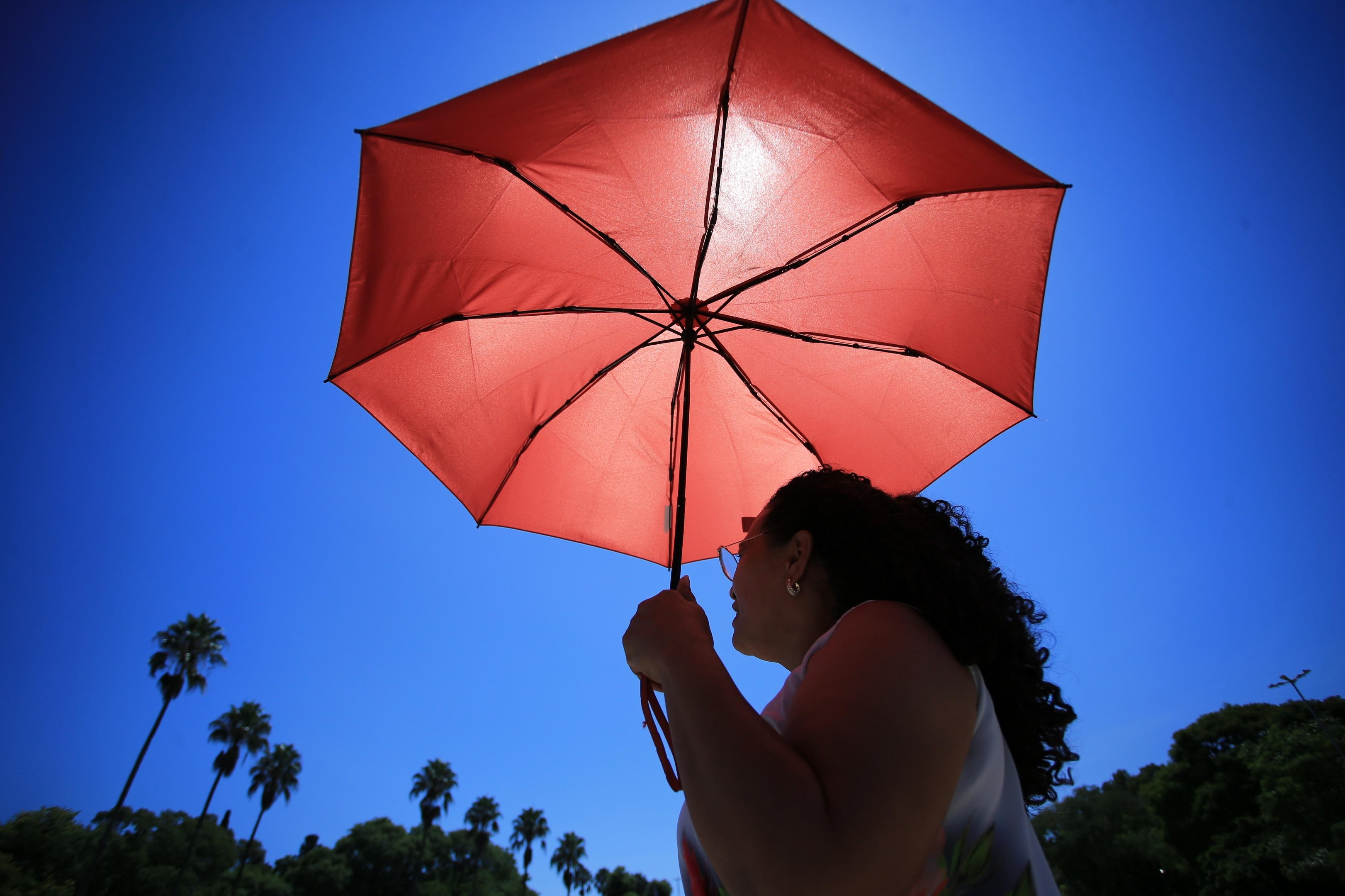
Five cities in Rio Grande do Sul, Brazil, exceeded 35°C on Saturday, July 18th, during what is typically winter, before the arrival of severe thunderstorms. Rolante recorded the highest temperature at 36.7°C, followed by Três Forquilhas, Três Coroas, Maquiné, and Morrinhos do Sul. Caraá and Nova Hartz also reached 35°C, with widespread mugginess reported across the state. According to Climatempo, this heatwave was caused by a cold front interacting with intense heat and moisture transport, amplified by a strong low-level jet stream. Porto Alegre, the state capital, had previously broken its July temperature record, set in 1910. The weather is expected to shift dramatically between Saturday afternoon and evening, with instability increasing and severe weather moving into various regions. This includes heavy to intense rain, frequent lightning, hail, and wind gusts ranging from 70 to 90 km/h, potentially exceeding these speeds in isolated areas. Rainfall totals could reach 30-100 mm, with accumulations over 150 mm in southern, campaign, and western parts of the state, particularly overnight. The forecast also indicates a risk of organized thunderstorms, microbursts, and isolated tornadoes, especially in the Campaign and Central-West regions. The instability is projected to continue into Sunday, July 19th, as the cold front moves slowly, maintaining the risk of intense rain and storms across most of Rio Grande do Sul. Combined rainfall for Saturday and Sunday could exceed 300 mm in some locations, significantly increasing the risk of flooding and other related hazards.
The extreme temperature fluctuations in Rio Grande do Sul highlight the increasing volatility of weather patterns, likely exacerbated by broader climate change dynamics. The juxtaposition of summer-like heat preceding severe storms, including potential tornadoes, underscores the challenges in infrastructure and public safety planning. This event prompts consideration of how meteorological forecasting models are adapting to predict such rapid shifts and the societal implications of preparing for both heatwaves and intense storm events within a single season. Future resilience will depend on integrated strategies that address both immediate weather risks and the underlying systemic drivers of climate instability, fostering adaptive capacity across vulnerable communities and critical infrastructure.
AI-generated to prompt reflection — not editorial opinion, not advice, not a statement of fact. How this works.