Rio Grande do Sul Experiences Unseasonably Warm Winter Morning Amidst Severe Weather Warnings
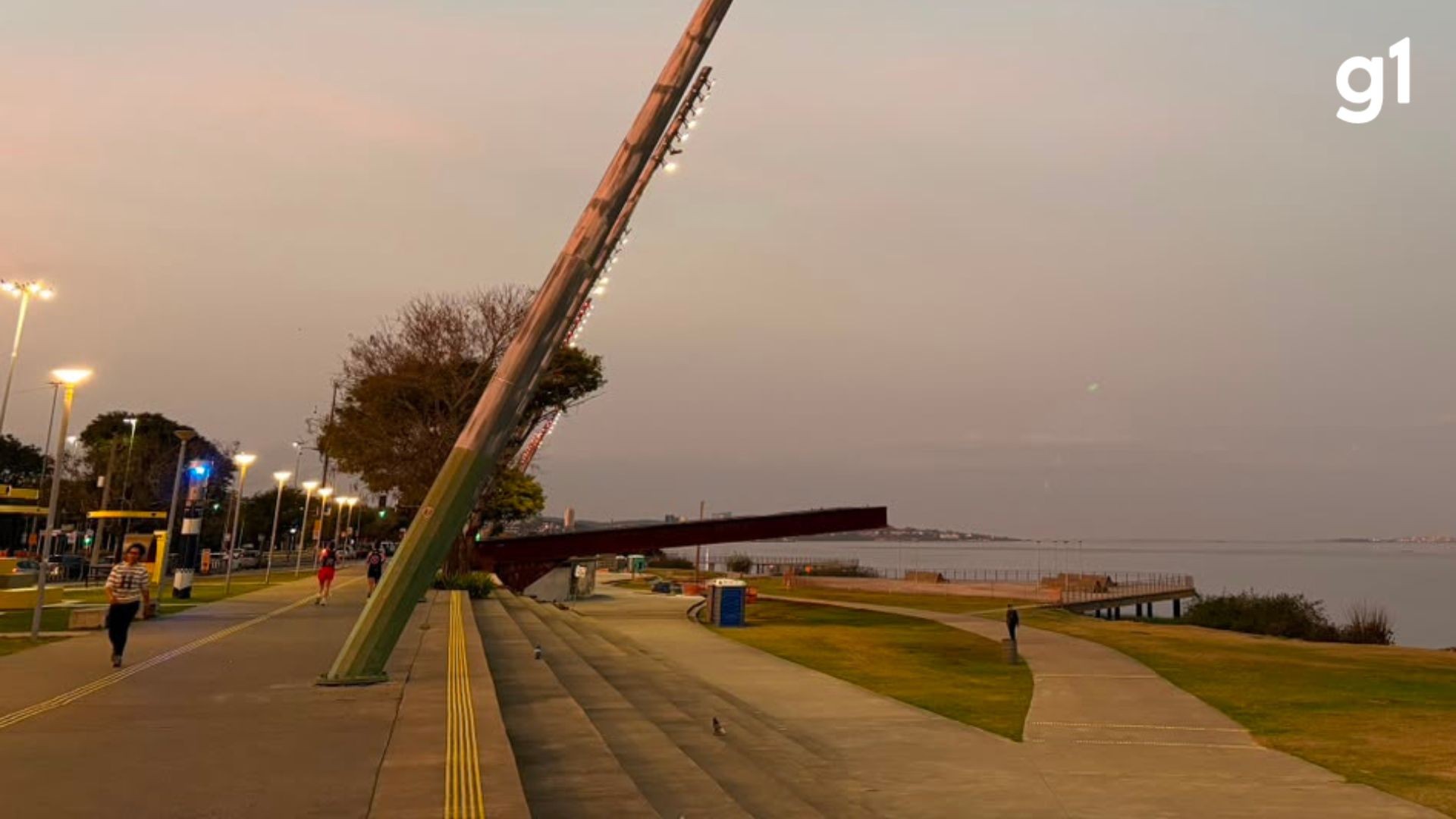
Rio Grande do Sul, Brazil, experienced unusually high temperatures on Saturday morning, July 18th, with many cities recording minimum temperatures well above typical winter levels. Cachoeira do Sul registered the highest minimum temperature at 28.2°C, followed closely by Dois Irmãos and Manoel Viana at 27.7°C. This warm spell occurred as the state braced for severe weather, including heavy rainfall, hail, and strong winds. The National Institute of Meteorology (Inmet) issued a 'Laranja' (orange) alert for the entire state, predicting winds between 60 and 100 km/h, with potential for falling trees and roof damage. Porto Alegre, the state capital, recorded a record high of 33.8°C on Friday, July 17th, marking the highest temperature ever observed in July since Inmet's historical records began in 1910. This surpassed the previous July record of 32.9°C set in 1941 and matched in 1987. The forecast for the weekend indicates a high meteorological risk due to a cold front, with severe thunderstorms, hail, microbursts, and isolated tornado possibilities. Wind gusts are expected to range from 70 to 90 km/h, potentially causing significant damage. Rainfall could exceed 150 millimeters in southern and western regions, with cumulative rainfall potentially surpassing 300 millimeters in some areas by Sunday. The severe weather is expected to persist into the early week, gradually shifting its focus to the northern parts of the state by Tuesday, July 21st.
The unseasonably warm temperatures recorded in Rio Grande do Sul, culminating in a new July record for Porto Alegre, highlight the potential impacts of climate change on regional weather patterns. While the immediate concern is the severe weather forecast, including dangerous wind gusts and heavy rainfall, the persistent trend of elevated winter temperatures warrants attention. This phenomenon may reflect broader atmospheric shifts, potentially influencing agricultural cycles, water resource management, and the frequency of extreme weather events in the coming decade. Understanding the interplay between global climate trends and localized meteorological events is crucial for developing resilient infrastructure and public safety strategies.
AI-generated to prompt reflection — not editorial opinion, not advice, not a statement of fact. How this works.