Rio Grande do Sul Flooding: Rivers Recede, But Jacuí River Faces Flood Risk; Over 1,000 Displaced
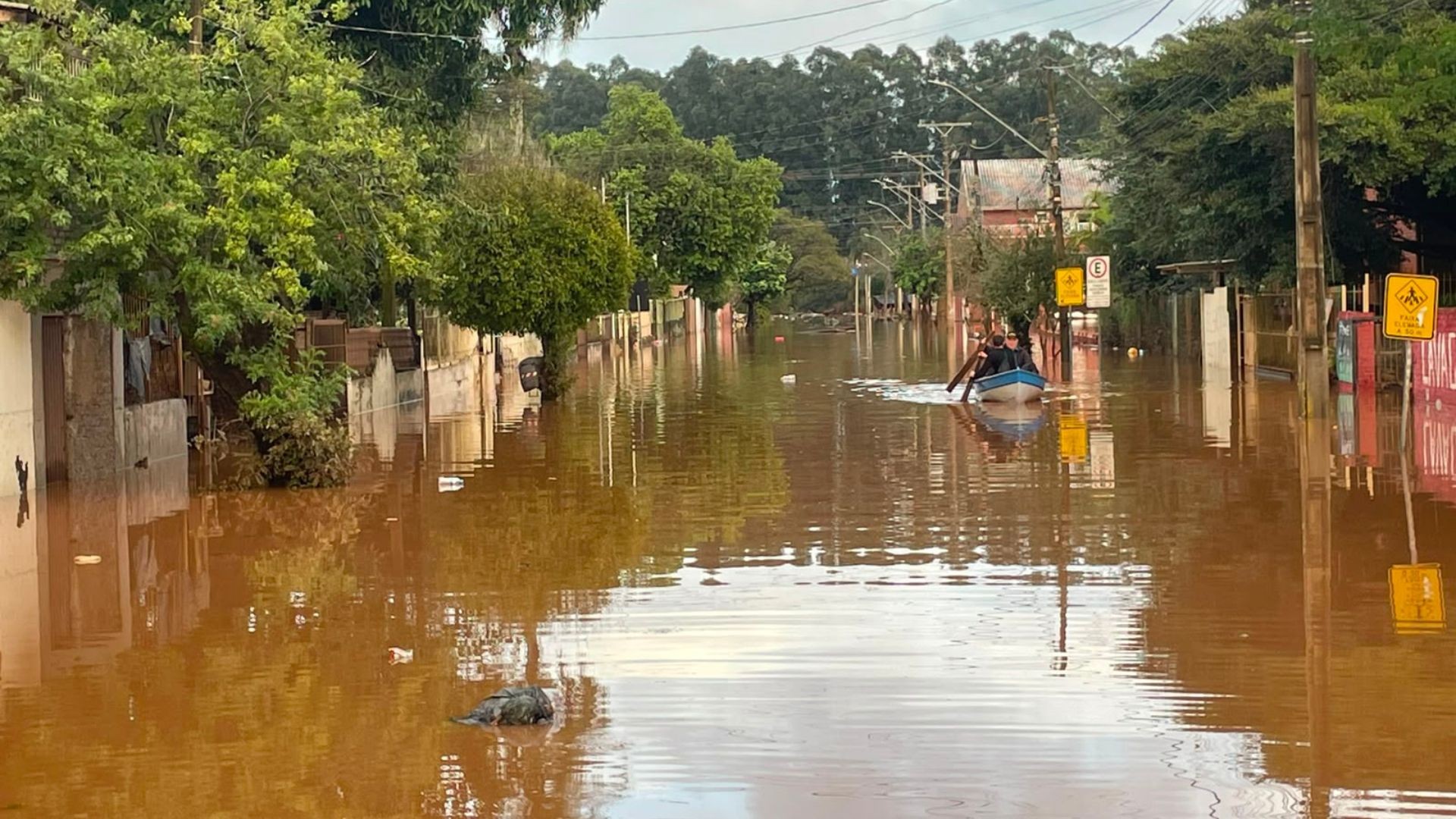
Rivers in the valleys and the Metropolitan Region of Porto Alegre, which had risen and caused flooding on Wednesday, September 22, began to recede on Thursday, September 23. However, an alert has been issued for the potential flooding of the Jacuí River. In São Jerônimo, the river has surpassed its flood level, prompting the evacuation of three families from riverside areas. Similarly, in Cachoeira do Sul, the Civil Defense is preemptively relocating residents near the Jacuí River after water levels reached 20.20 meters, just below the 21-meter flood level. Evacuees in Cachoeira do Sul are being taken to a shelter at Parque da Fenarroz, with a separate facility prepared for pets.
As of Wednesday afternoon, over a thousand people in Rio Grande do Sul have been displaced due to persistent rain and rising rivers. The state's Civil Defense reported 728 people as homeless (desabrigados) and 371 as displaced (desalojados), meaning they are staying with friends or family. Municipalities like Arroio dos Ratos (100 people), Nonoai (84), Planalto (40), and Passo Fundo (26) have reported significant numbers of displaced residents. Lajeado experienced severe street flooding, with nearly 500 people spending the night in a municipal shelter. The number of cities affected by the rains since Friday, September 17, has reached 169, with reports of widespread damage including blocked roads, fallen trees, damaged roofs, and compromised bridges.
The recurring flooding events in Rio Grande do Sul highlight systemic challenges in regional water management and urban planning. While immediate responses focus on displacement and shelter, the persistent impact on 169 municipalities underscores the need for long-term infrastructure resilience strategies. Future planning must consider the escalating frequency and intensity of extreme weather events, potentially driven by climate shifts, and integrate adaptive measures into land-use policies and flood defense systems. The economic and social toll of repeated damage, such as the destruction of a community-built bridge, suggests a critical need for investment in more robust, sustainable infrastructure capable of withstanding future environmental stresses, balancing immediate needs with proactive, forward-looking solutions.
AI-generated to prompt reflection — not editorial opinion, not advice, not a statement of fact. How this works.