Rio Grande do Sul Floods Force Repeated Evacuations, Residents Express Exhaustion
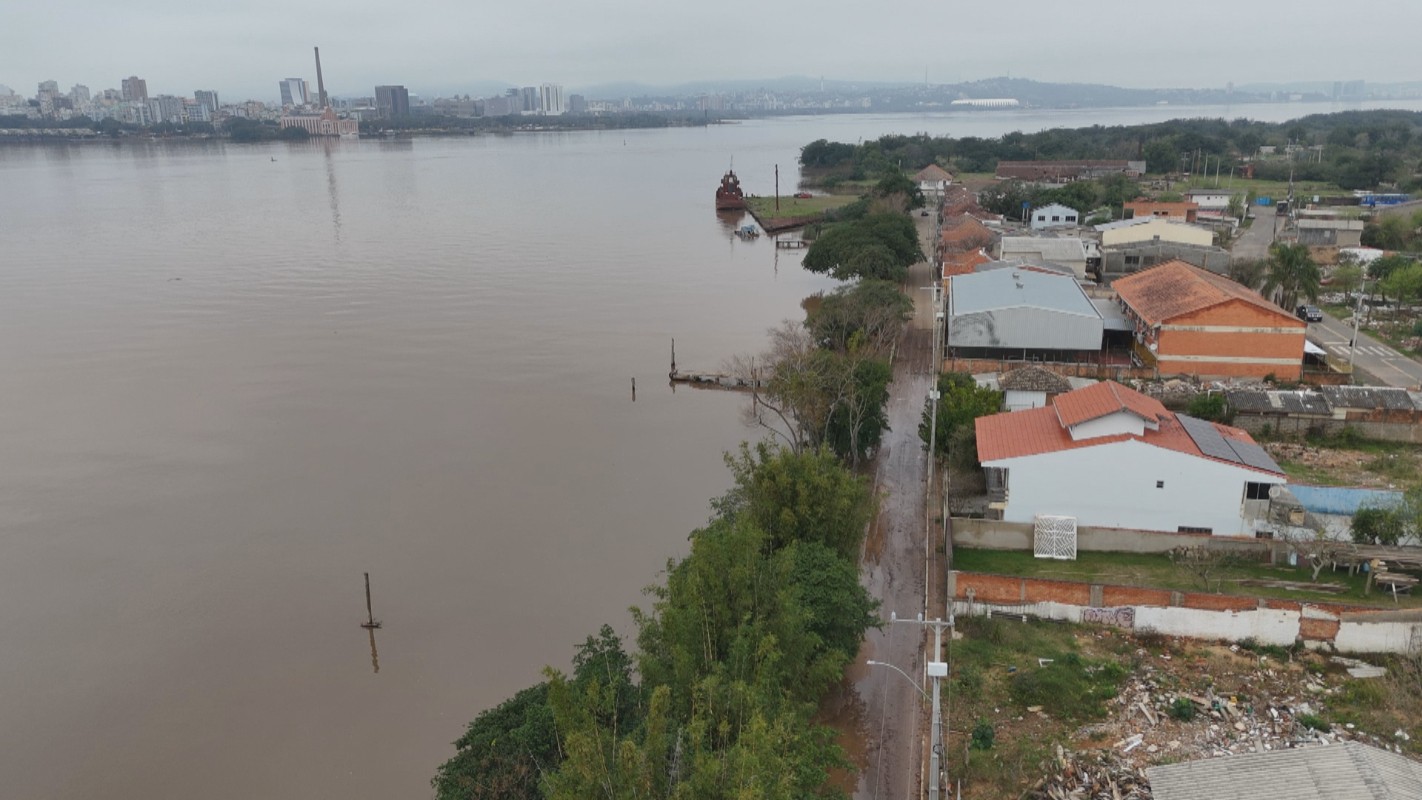
Intense rainfall has once again inundated cities in Rio Grande do Sul, Brazil, forcing residents to evacuate their homes due to river flooding. In Lajeado, a city of over 90,000 people, more than 700 individuals were displaced by the recent rise of the Taquari River. Residents describe a recurring cycle of insecurity and loss, with one musician, José Casemiro Fernandes Maidana, noting that leaving their homes due to water is an "every year" event. Merchant Eliane dos Santos Crispim voiced the collective weariness, stating, "We don't want to cry anymore, we can't stand losing anymore. We are tired." In Porto Alegre, the Ilhas region, situated in the Jacuí Delta floodplain, is among the first areas affected by rising Guaíba River levels. Marinês Maciel, a lifelong resident, described the constant anxiety, loss of possessions, and sleepless nights caused by the unpredictable water levels. The Porto Alegre City Hall reports that the population in the Ilhas region has halved since the 2024 floods, with housing programs assisting approximately 1,800 families in acquiring new homes. Experts emphasize the urgent need for urban planning adaptations in response to climate change, recommending risk mapping in municipal master plans to prevent new constructions in flood-prone areas. Professor Rodrigo Paiva of UFRGS also advocates for enhanced monitoring of intense rainfall and river levels to provide early warnings. Lajeado has restricted new construction in mapped flood zones and is exploring relocation options for existing homes, while Governor Eduardo Leite highlighted ongoing joint efforts with various government bodies to develop projects for affected communities.
The recurring displacement of communities in Rio Grande do Sul due to riverine flooding underscores a critical tension between established urban development patterns and the escalating impacts of climate change. While municipal and state governments are implementing measures such as relocation programs and revised zoning, the fundamental challenge lies in reconciling the economic and social realities of existing settlements with the imperative for long-term resilience. The expert recommendations for enhanced monitoring and risk mapping are crucial, but their efficacy will depend on robust enforcement and the integration of adaptive strategies into comprehensive land-use planning. Over the next decade, the increasing frequency and intensity of extreme weather events will likely necessitate a paradigm shift, moving beyond reactive measures to proactive, systemic redesign of urban environments in flood-vulnerable regions, potentially involving difficult conversations about managed retreat and the equitable distribution of adaptation costs.
AI-generated to prompt reflection — not editorial opinion, not advice, not a statement of fact. How this works.