Rio Grande do Sul Floods: Rivers Exceed Danger Levels, Families Evacuated
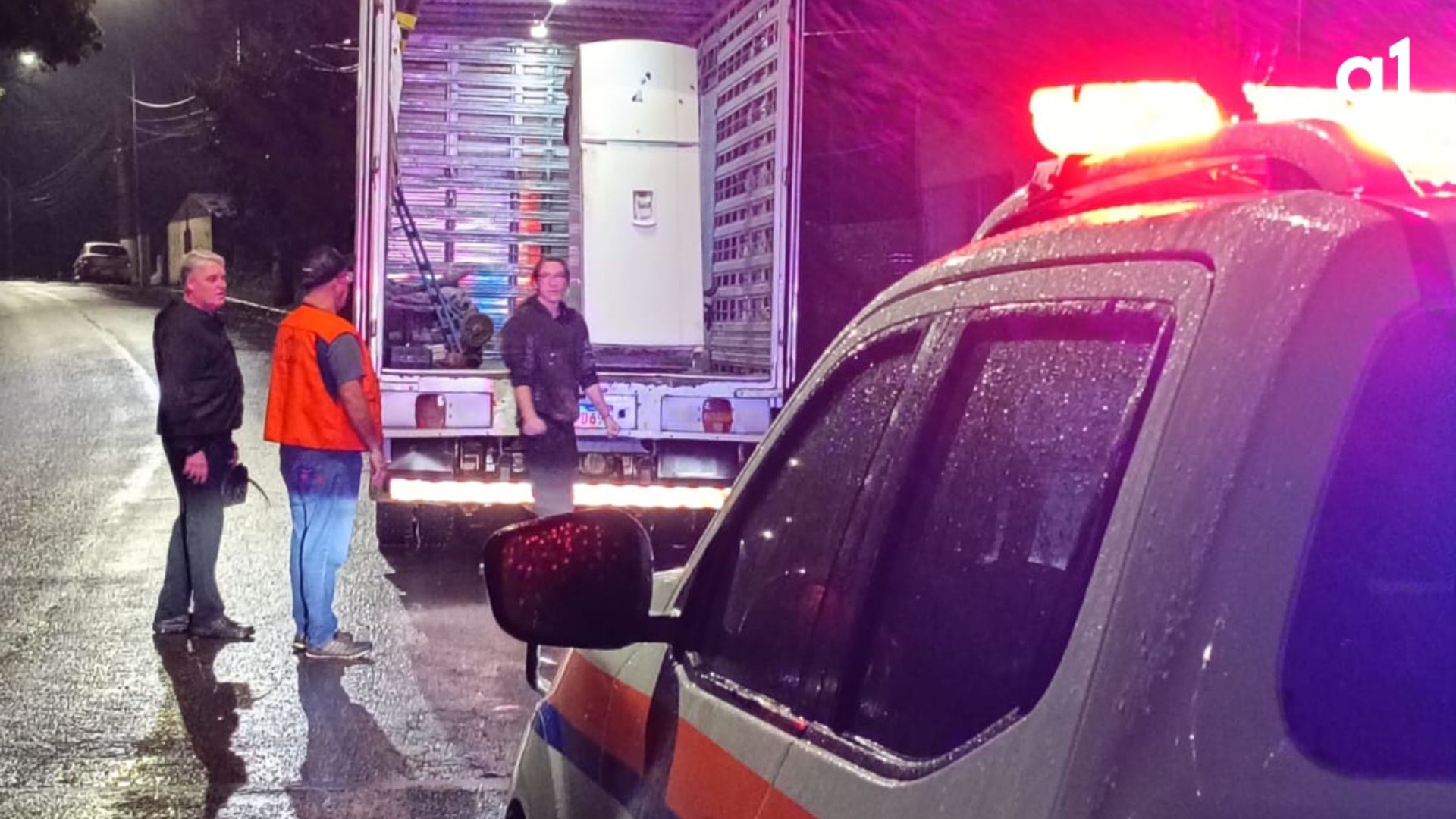
Several municipalities in Rio Grande do Sul (RS), Brazil, are experiencing significant damage due to heavy rainfall, with rivers reaching flood levels. In Encantado, the Taquari River surpassed its flood stage early Wednesday, August 22nd, reaching 12.63 meters by 4 AM. Similarly, Lajeado's river exceeded its 19-meter flood level, hitting 19.07 meters by 4:45 AM. Following the river's rise to 17 meters around 3 AM, the Lajeado City Hall initiated its contingency plan, relocating families from risk areas to the Parque do Imigrante. Roca Sales also saw its river rise by 50 centimeters, reaching 14.70 cm by 5 AM, though still below its 18-meter flood level. The Caí River is approaching its 10.50-meter flood stage in São Sebastião do Caí, having reached 10.44 meters by 5 AM. In Montenegro, the river reached 5.52 meters by 5:30 AM, nearing its 6-meter flood level. The forecast indicates continued unstable weather across parts of RS on Wednesday, with intense rain and isolated thunderstorms expected, particularly in the northern half of the state. The National Institute of Meteorology (Inmet) issued warnings for potential heavy rainfall and storms, with potential for minor floods and landslides in vulnerable areas. The weather is expected to improve with cooler temperatures by Thursday, though some areas may still experience light rain, with a new cold front potentially bringing more significant rainfall to the far north by Friday.
The recent heavy rainfall and subsequent river flooding in Rio Grande do Sul highlight the increasing vulnerability of communities to extreme weather events, likely exacerbated by climate change. The proactive evacuation measures in Lajeado demonstrate a critical adaptation strategy, yet the recurring nature of such events suggests a need for more robust, long-term urban planning and infrastructure development. This includes evaluating land-use policies in flood-prone zones and investing in advanced early warning systems and resilient infrastructure. The meteorological warnings, while informative, underscore the challenge of balancing immediate response with systemic resilience. Future preparedness will require integrating climate projections into all levels of governance and development to mitigate escalating risks and protect vulnerable populations.
AI-generated to prompt reflection — not editorial opinion, not advice, not a statement of fact. How this works.