Rio Grande do Sul Operation Arrests 30 Suspects in Violence Against Women Cases
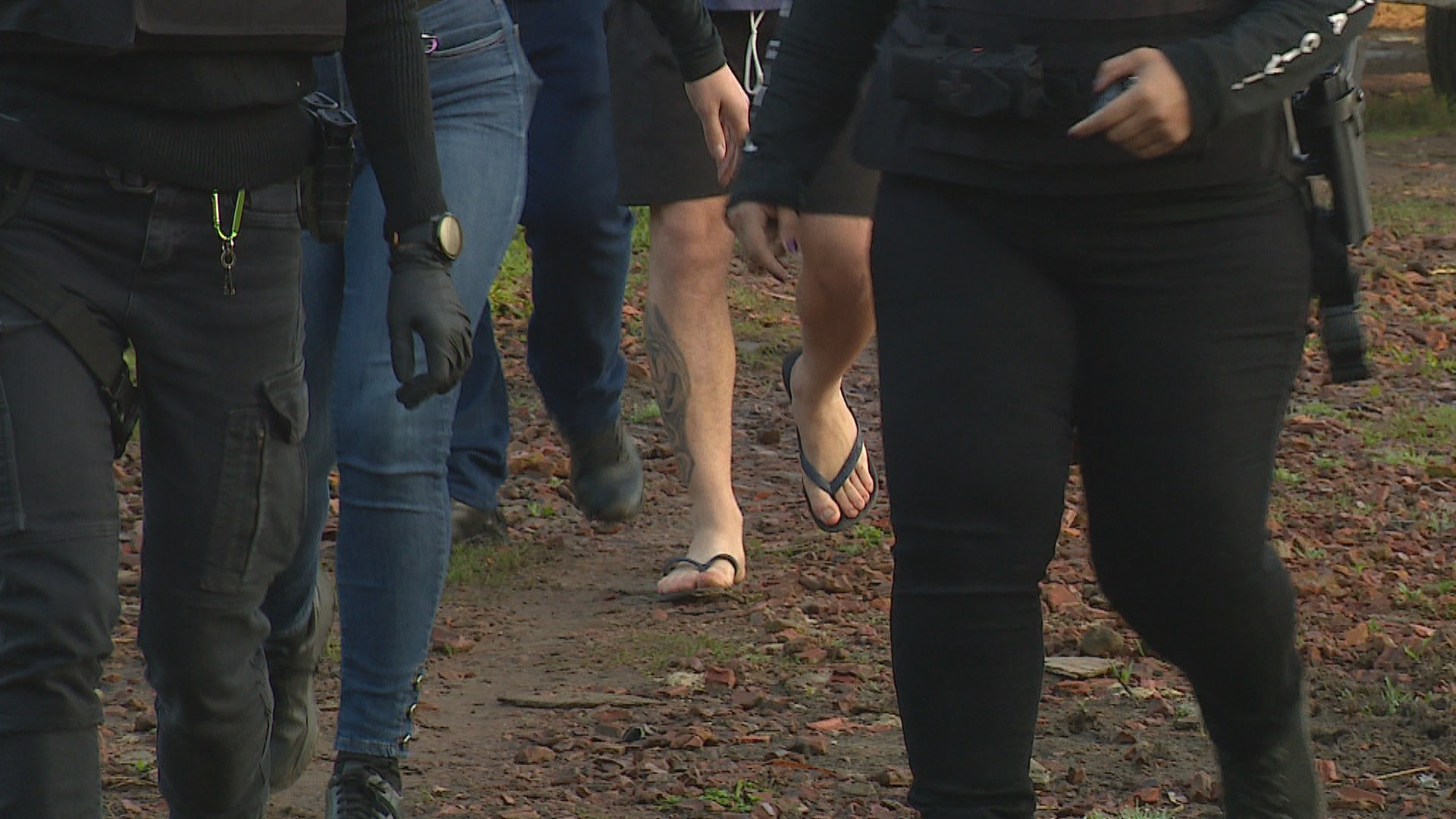
An extensive security operation in Rio Grande do Sul, Brazil, led to the arrest of 30 individuals on Friday, May 31st. These men are under investigation for crimes including stalking, threats, and violating protective orders issued for ex-partners. The operation also involved the seizure of firearms from the suspects. This initiative is part of the national "Operação Mulher Segura" (Safe Woman Operation), aimed at intensifying the fight against violence targeting women and reducing the incidence of femicide. The operation is scheduled to continue until December. Since its commencement in June, over 350 alleged aggressors have been apprehended in Rio Grande do Sul, according to the Civil Police. Authorities intend to expand preventive and protective measures for victims in the coming months. In Porto Alegre, police executed two pre-trial detention orders against individuals accused of threatening and stalking ex-partners. One case involved a 26-year-old man arrested for allegedly harassing his ex-partner and threatening to share intimate images online, which reportedly impacted her professional life. The director of the Division for Protection and Assistance to Women, delegate Waleska Alvarenga, highlighted that stalking behavior is a critical warning sign that can precede escalated violence, indicating a perpetrator's inability to accept a woman's autonomy and decisions. The operation also executed 18 search and seizure warrants, resulting in the confiscation of firearms, including legally registered weapons, underscoring the Maria da Penha Law's provisions to restrict firearm access for domestic abusers due to heightened risks.
This operation addresses the critical issue of gender-based violence, focusing on enforcement actions against perpetrators of stalking, threats, and protective order violations. The "Operação Mulher Segura" highlights a systemic effort to combat femicide and enhance victim protection. The confiscation of both legal and illegal firearms from alleged abusers underscores the recognized link between weapon accessibility and the escalation of domestic violence. Future efforts might consider further integrating technological surveillance and community support networks to identify and intervene in high-risk situations earlier, potentially mitigating the cycle of violence before it reaches critical stages. Examining the effectiveness of current legal frameworks and rehabilitation programs for perpetrators could also inform strategies to reduce recidivism and foster lasting societal change.
AI-generated to prompt reflection — not editorial opinion, not advice, not a statement of fact. How this works.