Rio Grande do Sul Police Implement New Protocol for Missing Persons Cases
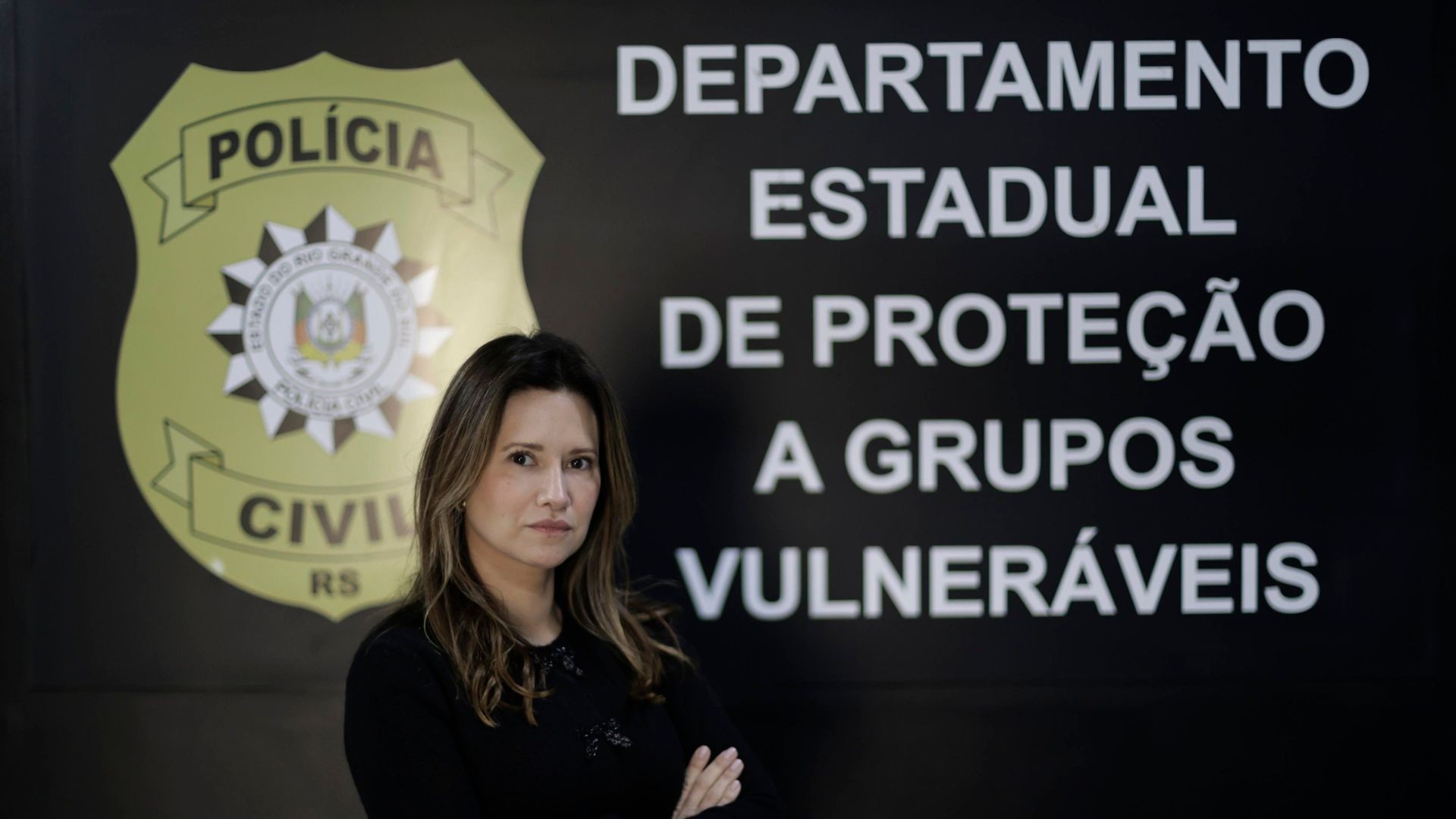
The Civil Police of Rio Grande do Sul, Brazil, has established a new protocol to expedite searches for missing individuals, particularly those from vulnerable groups. This standardized procedure applies to children, adolescents, the elderly, women experiencing violence, and individuals with physical or intellectual disabilities across all state police stations. Currently, 154 missing persons cases remain open in the state. Since January, 1,649 cases have been reported, with 1,495 resulting in the person being found, achieving a 90.7% success rate. The highest number of disappearances are concentrated in the 12-17 age group and among those younger than 12.
Previously, investigations varied by local precinct. The new protocol introduces a color-coded risk classification system to prioritize search efforts. A child under 12, for instance, is classified as critical risk. The protocol outlines minimum investigative actions within specific timeframes: the first 2, 6, and 24 hours. Within two hours, initial actions include registering the case, collecting a recent photo, interviewing family, checking recent locations, and verifying hospitals and shelters. Within six hours, authorities expand data searches and analyze social media for potential conflicts or threats. Within 24 hours, physical searches at potential locations are mandated, along with reviewing surveillance footage and contacting relevant institutions. The risk level is reassessed for ongoing actions.
Police emphasize that there is no need to wait 24 hours to report a disappearance; immediate notification is crucial. The sooner authorities are alerted, the higher the chances of a successful recovery. Families are urged to provide as much detail as possible, including routines, frequented places, companions, and recent photographs, as this significantly aids the investigation. The risk classifications range from critical (red) for cases like missing children under 12, suspected kidnappings, or those needing urgent medication, to high (orange) for adolescents or the elderly, and moderate (yellow) when no aggravating factors are present.
The implementation of a standardized, color-coded protocol for missing persons cases in Rio Grande do Sul addresses a critical public safety need, particularly for vulnerable populations. By introducing defined response times and risk assessments, the police aim to improve efficiency and increase the likelihood of successful resolutions. This structured approach moves away from potentially inconsistent, experience-based investigations towards a more systematic and data-driven methodology. The emphasis on immediate reporting counters a common misconception and highlights the time-sensitive nature of these investigations. Looking ahead, the effectiveness of this protocol will depend on consistent training, resource allocation, and inter-agency cooperation, especially as demographic shifts and societal challenges may influence disappearance trends in the coming decade.
AI-generated to prompt reflection — not editorial opinion, not advice, not a statement of fact. How this works.