Rio Grande do Sul Prepares for Intense Rains, Governor Leite Emphasizes Disaster Prevention
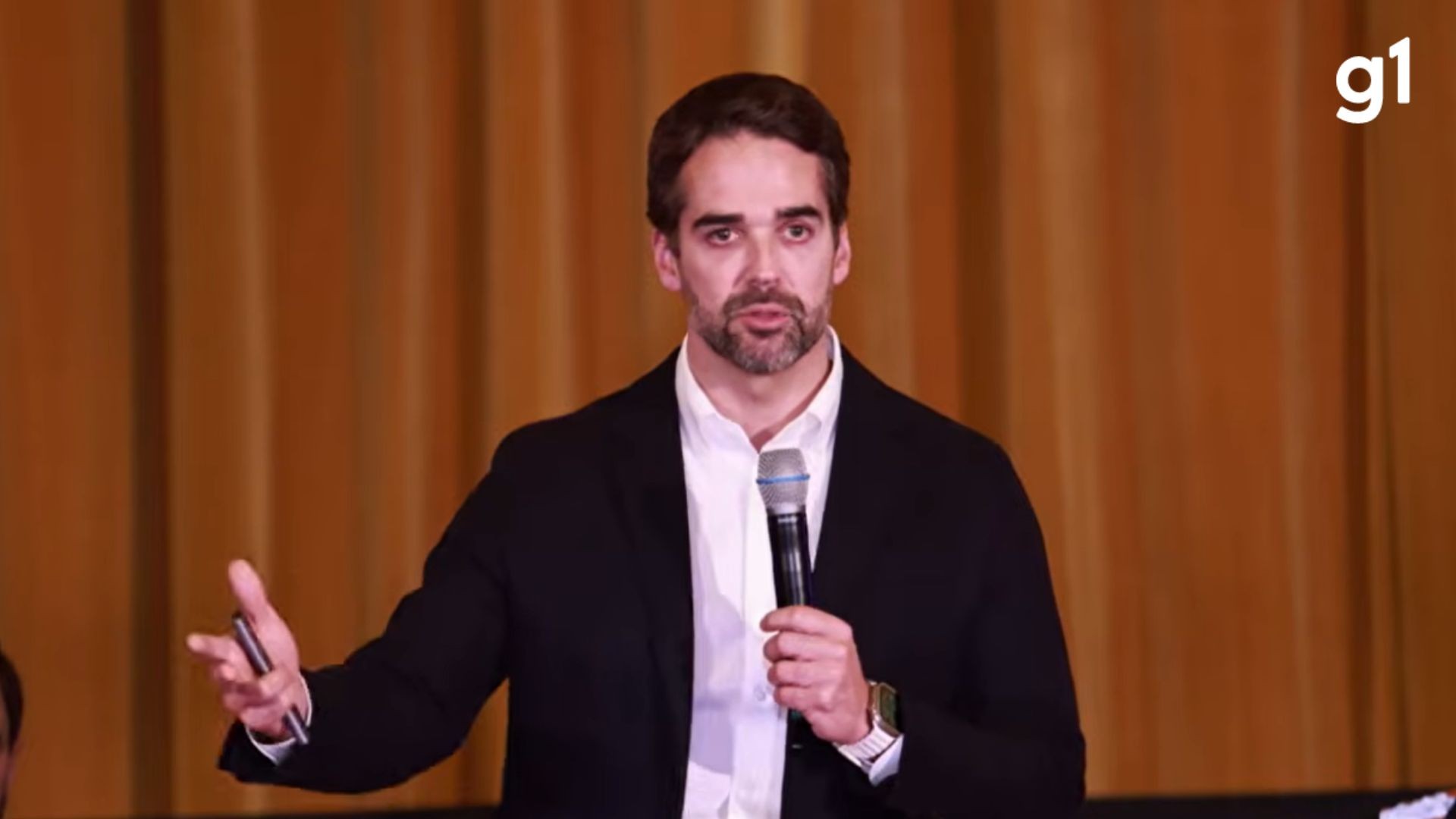
The Brazilian state of Rio Grande do Sul is bracing for a period of intense rainfall, with Governor Eduardo Leite stating that preparations are focused on preventing disasters and loss of life, rather than stopping the weather events themselves. The state government held a press conference on Monday, May 27th, to detail its readiness and forecasts as strong winds, hail, and falling trees began to impact the region. Meteorologists predict significant rainfall volumes over short periods, with the Civil Defense issuing alerts for a series of storms expected between Monday, May 27th, and Wednesday, May 29th. Bruno Ribeiro, a meteorologist with the Civil Defense, noted that the storm was already affecting the border with Argentina and that Tuesday, May 28th, is anticipated to be the most critical day of the current warning period. Meteorological models suggest accumulated rainfall could exceed 100 millimeters in 12 hours and potentially 200 millimeters in 48 hours. The press conference included the Mayor of Porto Alegre, Sebastião Melo, and representatives from regional municipal associations. Rio Grande do Sul is expected to experience continuous rainfall through the first half of August, with three distinct storm events anticipated. The first event is ongoing, the second is expected to be more intense and potentially affect hydrological scenarios, and a third event is projected between August 5th and 10th. The National Institute of Meteorology (Inmet) has issued a red alert for severe weather, warning of thunderstorms, winds up to 100 km/h, and a high risk of floods and landslides across multiple regions of the state until Tuesday, May 28th.
The government's proactive communication regarding severe weather events highlights a strategic shift towards disaster mitigation and life preservation, acknowledging the inevitability of climate phenomena. This approach recognizes the limitations of preventing extreme weather while emphasizing the critical role of public preparedness and response infrastructure. The detailed forecasting and multi-agency coordination underscore the growing importance of resilience planning in regions increasingly vulnerable to climate change impacts. Future challenges will likely involve balancing resource allocation for immediate disaster response with long-term investments in climate adaptation infrastructure to reduce systemic risks and protect vulnerable populations.
AI-generated to prompt reflection — not editorial opinion, not advice, not a statement of fact. How this works.