Rio Grande do Sul Senate Candidates Debate Impeaching Supreme Court Justices
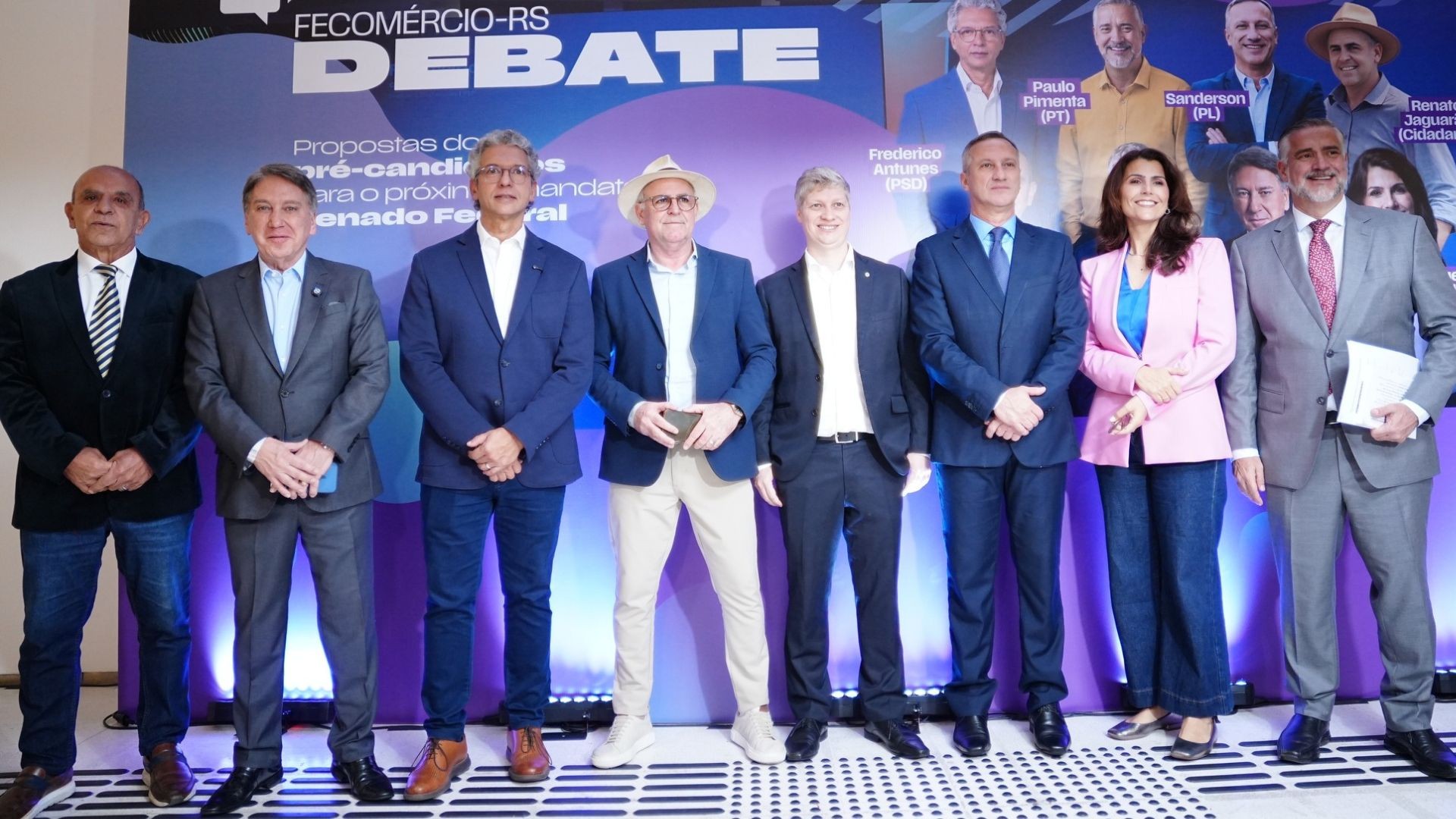
Eight pre-candidates for the Federal Senate from Rio Grande do Sul participated in a debate hosted by the Federation of Commerce of Goods, Services, and Tourism (Fecomércio-RS) in Porto Alegre on Monday, May 20th. The candidates included Frederico Antunes (PSD), Germano Rigotto (MDB), Manuela d'Ávila (PSOL), Marcel Van Hattem (Novo), Milton Cardoso (PSDB), Paulo Pimenta (PT), Renato Jaguarão (Cidadania), and Ubiratan Sanderson (PL). The discussion covered state debt renegotiation, business environment incentives, job creation, tax system changes, the end of the 6x1 work shift, and the impeachment of Supreme Federal Court (STF) justices. The STF and the potential impeachment of its ministers emerged as the most frequently discussed topic among the candidates.
Several candidates expressed strong opinions on the STF's role and the conduct of its justices. Some advocated for impeachment, citing alleged abuses of power and corruption, while others argued that more pressing issues concerning the state's development should be the priority. Specific concerns raised included the judiciary overstepping its constitutional boundaries, the legislature's influence through budget amendments, and the executive's fiscal irresponsibility. Candidates debated whether the Senate should focus on holding STF ministers accountable or on addressing the daily concerns of the state's population, such as healthcare, education, and security.
The debate among Rio Grande do Sul Senate pre-candidates highlights a significant political tension regarding the balance of power between Brazil's branches of government. The repeated calls for impeachment of STF justices reflect a public sentiment, amplified by certain political actors, that the judiciary has overstepped its mandate. This dynamic presents a strategic choice for candidates: aligning with a popular, albeit potentially divisive, anti-establishment stance versus focusing on pragmatic policy solutions for state development. The differing approaches underscore a fundamental debate about the Senate's role—whether it should primarily act as a check on other powers through impeachment proceedings or concentrate on legislative initiatives and constituent services. Looking ahead, the resolution of these power struggles will shape institutional trust and governance effectiveness, potentially influencing the political landscape for years to come.
AI-generated to prompt reflection — not editorial opinion, not advice, not a statement of fact. How this works.