Rio Grande do Sul: Why Brazil's Southern State is a Global Tornado Hotspot
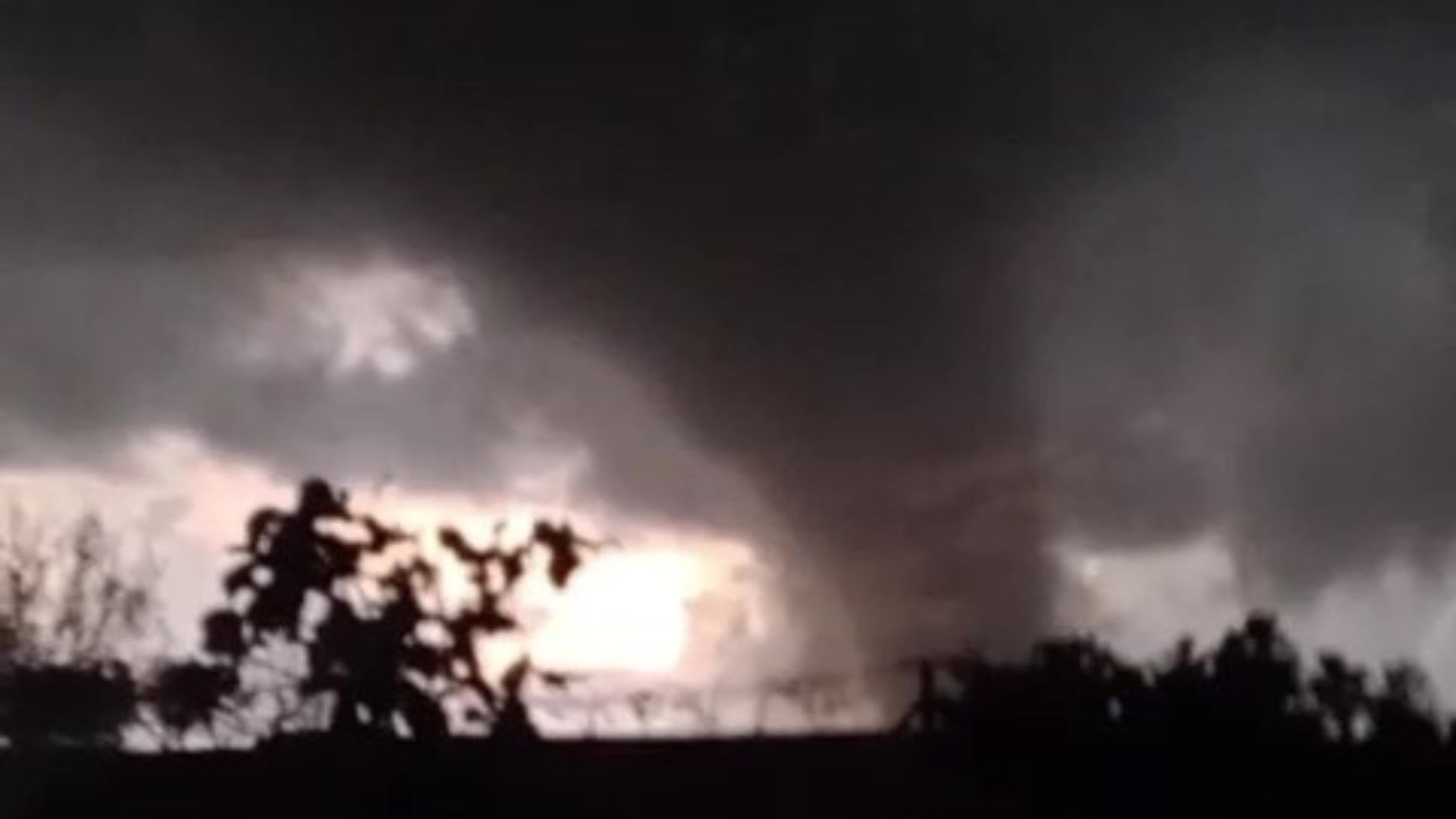
The state of Rio Grande do Sul (RS) in southern Brazil is identified as one of the world's most favorable regions for tornado formation, second only to the central United States. This designation stems from its location within South America's "tornado corridor," where specific atmospheric conditions frequently converge. Key factors include the collision of warm, moist air from the Amazon with cold air advancing from the continent's south. When wind speed and direction change with altitude, a rotating updraft forms within severe thunderstorms, known as cumulonimbus clouds. A tornado is the visible rotating column of air extending from the cloud base to the ground, capable of generating winds exceeding 300 kilometers per hour. Climatologist Francisco Eliseu Aquino from UFRGS notes that severe thunderstorms are common in RS, and a strong atmospheric contrast, such as a warm front with high instability, increases tornado likelihood. Since 1991, RS has recorded at least 31 tornado-related disasters, affecting 7,600 people and causing approximately R$ 68 million in material damages. Notable past events include a deadly tornado in Antônio Prado in 2003, widespread destruction in Muitos Capões in 2005, and significant displacement in Tapejara in 2014. Meteorologists like Maurício Ilha de Oliveira from UFSM suggest that a warming climate may exacerbate severe storms, potentially intensifying tornadoes due to increased atmospheric moisture and stronger jet streams. Despite meteorological advancements, precisely predicting tornado touchdown locations remains challenging, underscoring the importance of heeding weather alerts and preparing for risks.
Rio Grande do Sul's susceptibility to tornadoes highlights the complex interplay of geography and atmospheric dynamics, exacerbated by a warming climate. While the state's meteorological conditions create a natural "corridor" for these phenomena, the increasing frequency and potential intensity of severe storms warrant a review of regional infrastructure resilience and emergency preparedness strategies. The challenge in precise prediction suggests a need for continued investment in advanced meteorological modeling and public warning systems. As climate change continues to alter weather patterns globally, understanding and mitigating the impacts of extreme events like tornadoes will be crucial for safeguarding communities and infrastructure in vulnerable regions.
AI-generated to prompt reflection — not editorial opinion, not advice, not a statement of fact. How this works.