Rio Innovation Week Kicks Off, Expecting 180,000 Visitors and Featuring Nobel Laureates
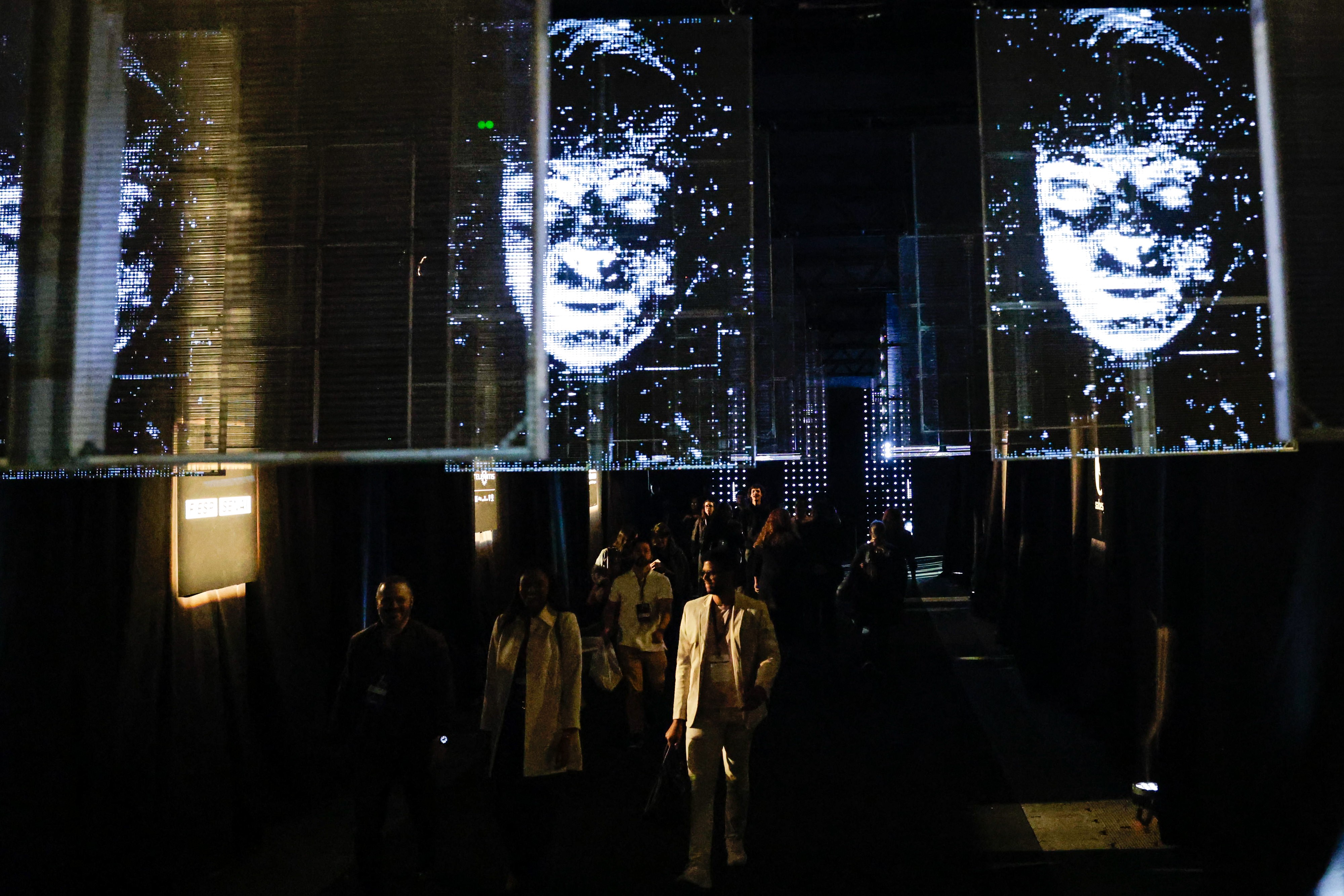
The sixth edition of Rio Innovation Week (RIW) has commenced at Píer Mauá in Rio de Janeiro, anticipating approximately 180,000 attendees until its conclusion on Friday, October 7th. This event is recognized as one of the world's largest gatherings focused on innovation, technology, and business. This year's program boasts distinguished guests including Nobel Peace Prize winner Malala Yousafzai, Nobel Medicine laureate Edvard Moser, and Supreme Federal Court minister Cármen Lúcia, alongside renowned artists like Seu Jorge, Zélia Duncan, and Vera Fischer. The event showcases around two thousand startups, hundreds of exhibitors, and sixty conferences, with organizers projecting the creation of about 22,000 direct and indirect jobs. Rio Innovation Week's director-general, Jerônimo Vargas, emphasized Rio de Janeiro's role as a global hub for creativity, innovation, and business, noting the event's growth reflects its capacity to unite diverse sectors for future-shaping discussions. New additions to this edition include the "Palavras e Encontros" stage for literature and contemporary thought, and "Immersive Talks" dedicated to immersive technologies. The Rio Ethical Fashion (REF) forum, Latin America's largest international sustainable fashion event, is also featured, addressing sustainability and innovation in the industry. For the second consecutive year, the NAM Atlântico, Brazil's largest helicopter carrier, will host some of the event's attractions, having welcomed over 52,000 visitors in 2025. This year also includes a large immersive experience laboratory focusing on video games, artificial intelligence, and digital innovation.
Rio Innovation Week highlights a growing global trend of large-scale events designed to foster cross-sector collaboration in technology and business. The inclusion of diverse participants, from Nobel laureates to artists and a significant number of startups, suggests an ambition to bridge theoretical advancements with practical application and cultural relevance. The event's scale and projected economic impact, including job creation, underscore the strategic importance placed on innovation ecosystems by municipal and national entities. As such events evolve, their long-term impact will depend on their ability to translate discussions into tangible outcomes, address systemic challenges like digital divides, and maintain relevance amidst rapid technological shifts, particularly in AI and immersive technologies, over the next decade.
AI-generated to prompt reflection — not editorial opinion, not advice, not a statement of fact. How this works.
