Rio Mayor Approves Praça Onze Maravilha Urban Revitalization Project
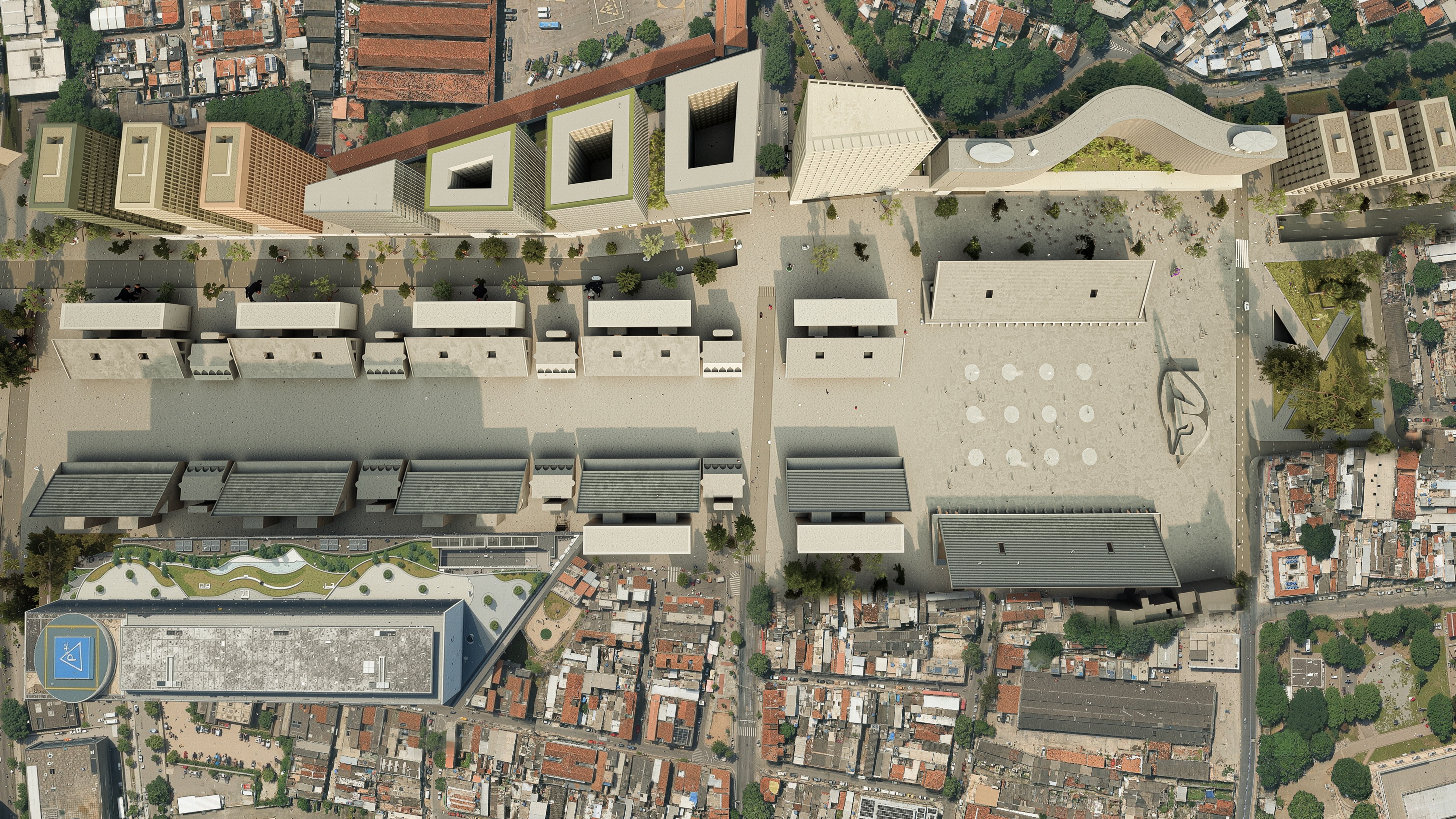
Rio de Janeiro Mayor Eduardo Cavaliere has signed into law the Praça Onze Maravilha project, a significant urban revitalization initiative covering 2.5 million square meters in the city's central area. The plan aims to foster urban quality, community development, and future-oriented growth by integrating residents into the city's progress. The estimated investment is R$ 1.75 billion, to be financed entirely through private means including concessions and public-private partnerships. A key component of the project is the planned demolition of the Viaduto 31 de Março in 2027, a structure that currently hinders connectivity between the Centro, Estácio, and Catumbi neighborhoods. This demolition is expected to facilitate a comprehensive redevelopment of the Sambódromo's surroundings. The project also includes new roadways, improved circulation, and an underpass connecting Frei Caneca and Salvador de Sá streets, topped by a new public square. The area around the Marquês de Sapucaí will see expanded sidewalks, enhanced lighting, and green spaces, while the Sambódromo itself will receive modernized access and improved facilities. The plan encourages residential reoccupation of currently underutilized areas with new mixed-use buildings, aiming to create a vibrant permanent presence of residents and visitors. A major cultural landmark will be the Biblioteca dos Saberes, a 40,000 square meter facility designed by Pritzker Prize winner Diébédo Francis Kéré, which will house a theater, amphitheater, kitchens, study areas, and exhibition spaces focused on memory and popular culture. This library is slated for the current Terreirão do Samba site, adjacent to the Zumbi dos Palmares monument, aiming to connect with the cultural initiatives of Pequena África. The city plans to establish an Urbanistic Special Interest Area (AEIU) for Praça Onze Maravilha, potentially enabling the construction of 37,500 residential units over 25 years, which could attract over 100,000 new residents. The project's economic viability model includes concessions, PPPs, sale of development potential, and the creation of a real estate fund. The initiative is designed to integrate with ongoing developments in Porto Maravilha, including a floating island with amenities like a food court, event arena, and marina, reinforcing a cultural and environmental corridor. The overarching goal is to transform the region into a hub for mobility, housing, and culture, leveraging existing infrastructure and encouraging central city living.
This urban revitalization project in Rio de Janeiro, Praça Onze Maravilha, presents a strategic approach to redeveloping a significant central area, aiming to enhance connectivity, housing, and cultural infrastructure. The reliance on 100% private financing through concessions and PPPs highlights a model that seeks to leverage private capital for public good, but also necessitates careful oversight to ensure alignment with public interest and equitable development outcomes. The proposed demolition of Viaduto 31 de Março and subsequent redevelopment, inspired by the Porto Maravilha project, signals a long-term vision for urban renewal focused on breaking down physical barriers and fostering organic growth. The integration of a large cultural facility, the Biblioteca dos Saberes, designed by a globally recognized architect, suggests an ambition to create a significant cultural anchor. However, the plan to introduce 37,500 new residential units raises questions about potential gentrification and the impact on existing communities, underscoring the importance of robust public consultation and inclusive planning processes. The project's success will likely depend on its ability to balance economic development with social equity and cultural preservation, creating a sustainable and vibrant urban ecosystem for the future.
AI-generated to prompt reflection — not editorial opinion, not advice, not a statement of fact. How this works.