Rio Mayor Links Extreme Winds to Super El Niño, Cites Forecast Underestimation
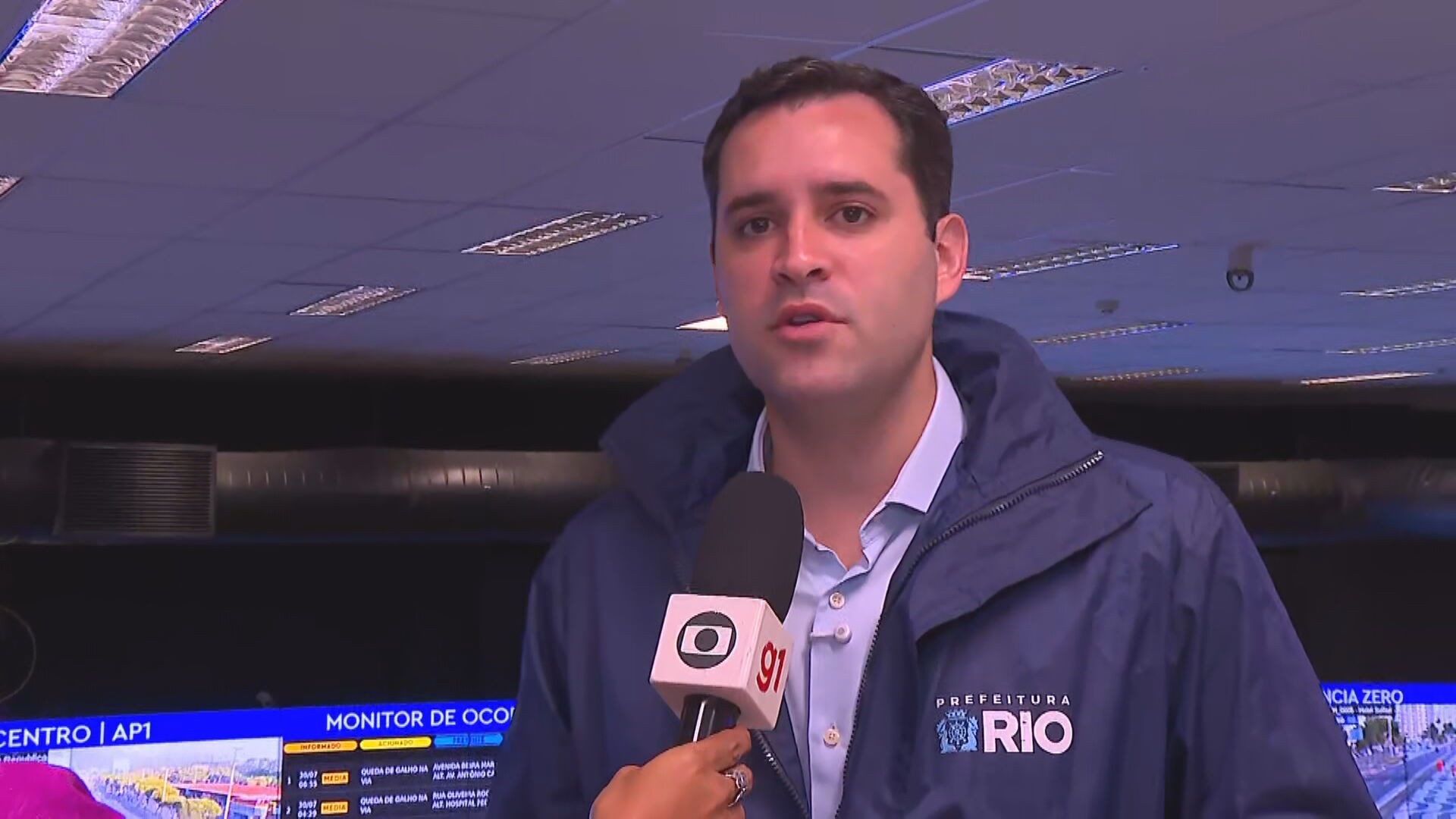
Rio de Janeiro Mayor Eduardo Cavaliere stated on Thursday, November 30th, that the city's weather alerts had predicted less intense winds than those that battered the capital on Wednesday, November 29th. He attributed the severe storm, which caused widespread damage, to the effects of a "Super El Niño" event that proved stronger than meteorological stations anticipated. Cavaliere was overseeing the response efforts from the Municipal Operations and Resilience Center (COR-Rio) in the city's central region. As of Thursday morning, recovery operations were underway, with approximately 180 out of 220 fallen trees cleared. Some streets, including Rua Visconde Silva in Botafogo and Rua Benedito Hipólito in the Center, remained closed, but major thoroughfares were reopened. COR-Rio reported 27 outstanding tree fall incidents, and around 370,000 Light energy customers were without power, primarily in neighborhoods across the North, South, and West Zones of the capital. Over 50 tree-related incidents, including those causing power outages, were addressed overnight, with more than 30 cases involving trees and power lines. A utility pole also fell in Bangu. Weather forecasts from Climatempo indicate no further strong winds for Rio de Janeiro state, with expected winds of 50 km/h. While the cold front has moved offshore, increased cloudiness and isolated light rain are anticipated, with a maximum temperature of 28°C.
The event highlights the challenges in accurately forecasting extreme weather phenomena, particularly when influenced by complex climate patterns like El Niño. While the mayor attributed the unexpected intensity to "Super El Niño," this framing may deflect from a comprehensive review of the city's preparedness and the accuracy of its meteorological forecasting systems. The significant impact on infrastructure, including widespread power outages and fallen trees, suggests a need to assess the resilience of urban systems against increasingly volatile weather. Future planning should consider the potential for underestimation in forecasts and incorporate adaptive strategies to mitigate damage from events that exceed predicted parameters, ensuring public safety and essential service continuity.
AI-generated to prompt reflection — not editorial opinion, not advice, not a statement of fact. How this works.