Rio Metro Institute Delegate Arrested for Allegedly Guarding Cash from Fraudulent Contracts
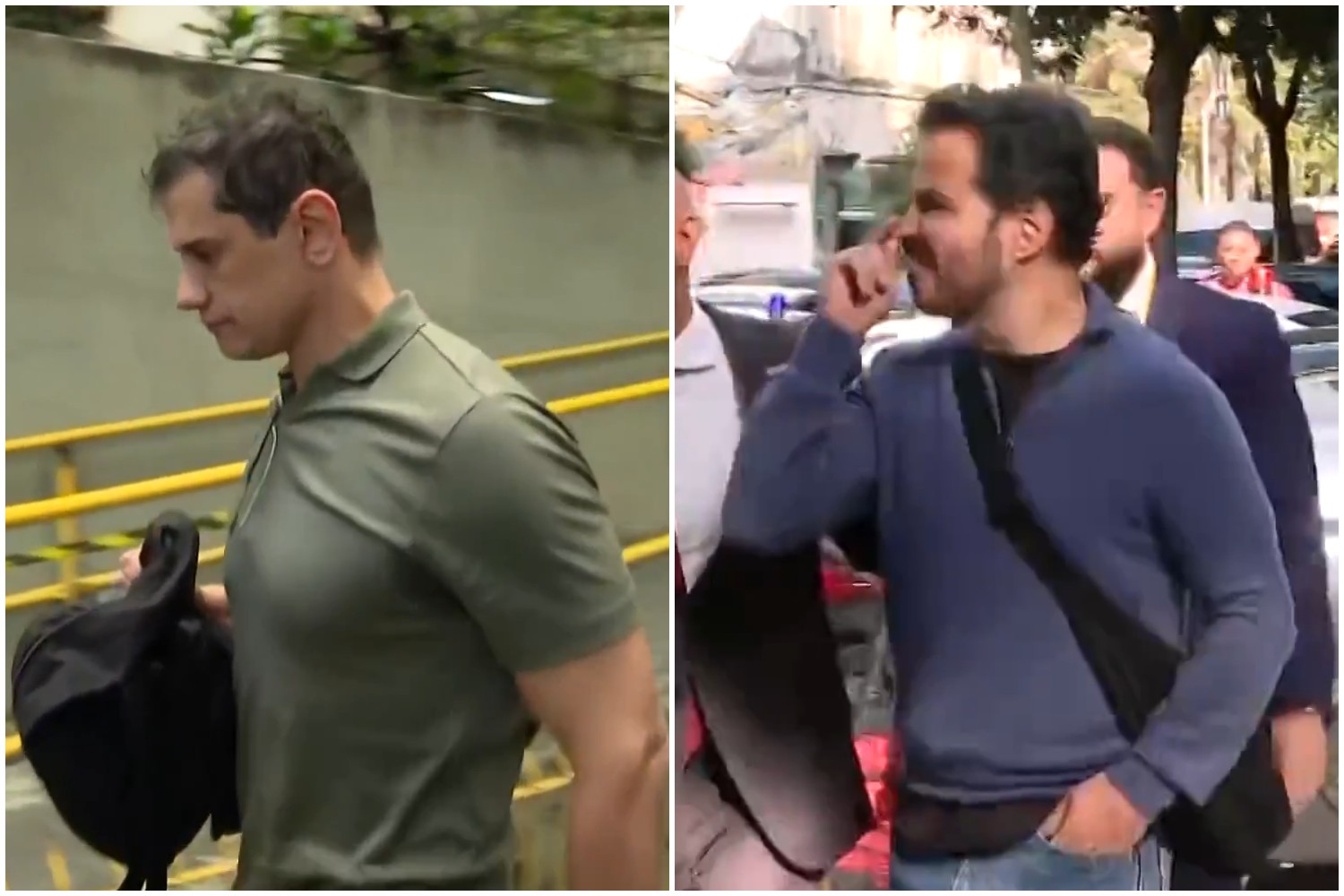
A Civil Police delegate, Franquis Dias Nepomuceno, has been arrested in connection with Operation Ouroboros, accused of guarding and transporting cash withdrawn from companies contracted by the Rio Metro Institute (IRM). According to the Rio de Janeiro Public Prosecutor's Office (MPRJ), the money from allegedly fraudulent contracts was withdrawn shortly after payment by the autarchy and delivered to Rio Forte Vigilância e Segurança Privada. Nepomuceno reportedly coordinated this operation personally and was seen on surveillance footage leaving the company's premises. The MPRJ claims that although the company is formally registered to Nepomuceno's father, the delegate effectively controlled it. He allegedly used an official Civil Police vehicle for these illicit activities. Investigations also revealed that Nepomuceno held significant management powers within the IRM between November and December 2023, a role delegated by the autarchy's then-president, David Perini Vermelho, known as Didê. Nepomuceno held directorial positions at the IRM until his arrest. The operation is investigating a corruption scheme involving over R$ 86 million in contracts, including bid rigging, money laundering, and criminal organization. Didê, who assumed the IRM presidency in January 2023, faces charges including embezzlement and criminal organization. Prosecutors noted the difficulty in understanding the IRM's true purpose and the rationale behind its contracts. The IRM, established in 2018, saw its resources significantly increase after the Cedae services auction in 2021, receiving substantial funds and a percentage of water and sewage tariffs. A law change in October 2023 expanded the IRM's responsibilities, allowing direct execution of urban projects, leading to a dramatic increase in its spending from R$ 7.3 million in 2023 to R$ 161.1 million in 2024. During Didê's tenure, approximately R$ 480 million were moved. One R$ 57 million contract for mobility improvements lacked specific details on locations and municipalities. Prosecutors believe the IRM was diverted from its intended purpose for illicit enrichment.
This case highlights potential systemic vulnerabilities in public contract oversight and resource management within regional development institutes. The alleged diversion of public funds and the use of official positions for personal gain suggest a need for enhanced transparency and accountability mechanisms. Future governance models for such entities should consider robust independent auditing, clear separation of administrative and operational roles, and stringent conflict-of-interest protocols to prevent the erosion of public trust and ensure resources are directed towards intended public benefit rather than private enrichment. The significant increase in the institute's budget and scope following legislative changes warrants scrutiny regarding the alignment of expanded powers with public accountability frameworks, especially in the lead-up to electoral cycles.
AI-generated to prompt reflection — not editorial opinion, not advice, not a statement of fact. How this works.