Rio Metro Institute Leadership Fired After Corruption Probe Arrests
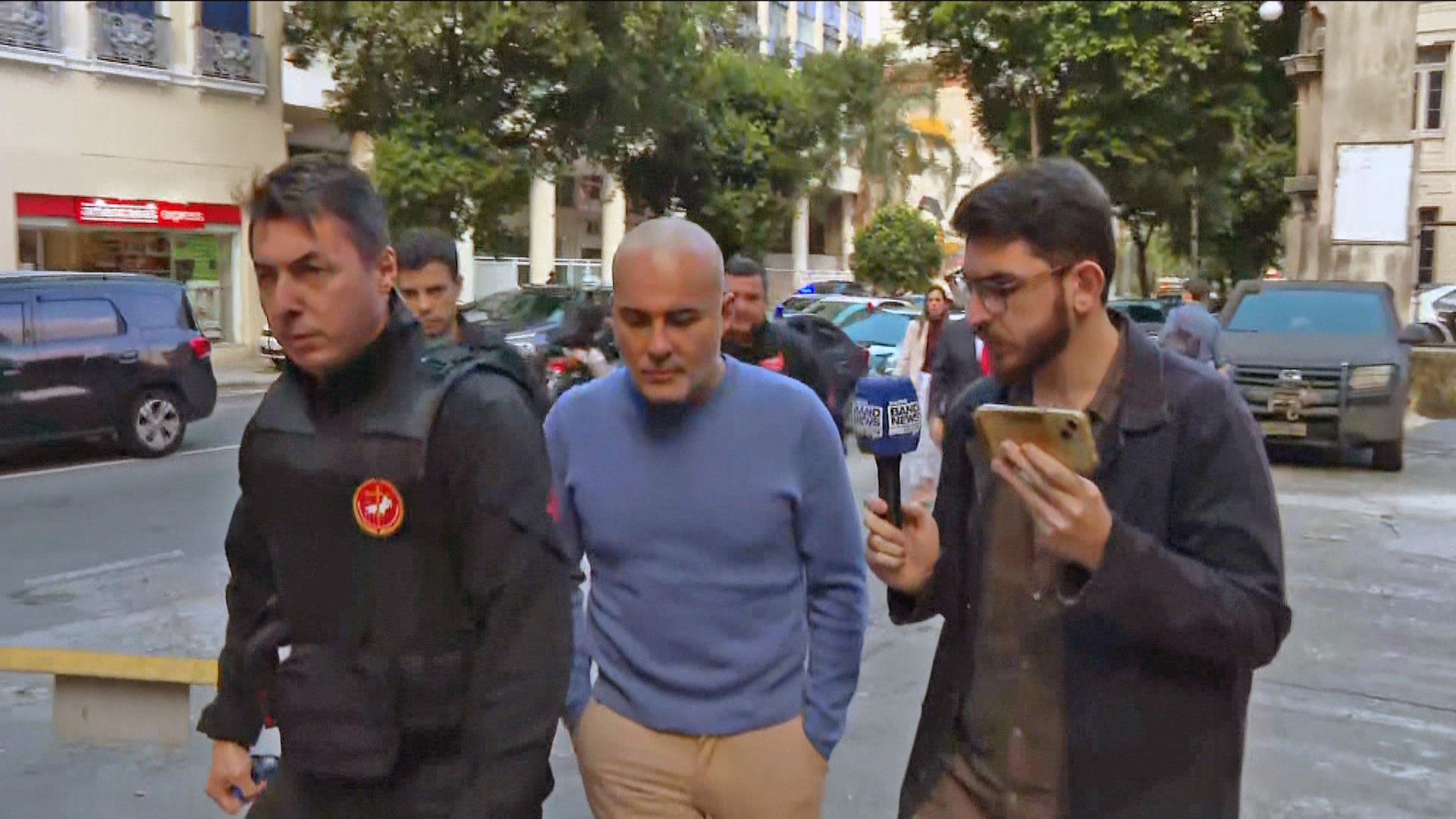
The acting governor of Rio de Janeiro, Ricardo Couto de Castro, has dismissed the leadership of the Rio Metrópole Institute (IRM) following an investigation into a corruption scheme. The dismissals occurred eleven days after the Rio de Janeiro Public Prosecutor's Office (MPRJ) launched Operation Ouroboros, which targeted alleged illicit activities within the state agency. Among those arrested and subsequently removed from their positions are IRM president Davi Perini Vermelho, also known as Didê; Director of Planning and Projects Mauricio Silva Knoploch dos Santos; Director of Integrated Metropolitan Development, Civil Police delegate Franquis Dias Nepomuceno; and contract manager Amanda Íthala Santos da Paschoa. These individuals are among the eleven people indicted by the MPRJ for alleged criminal organization, passive corruption, bid rigging, and money laundering related to an R$ 86 million contract. Investigations suggest that companies contracted by the IRM entered into fictitious subcontracts to divert funds. A portion of these funds was allegedly withdrawn in cash by Caroline Soares Barros, a former IRM inspector and founder of Instituto Bio, a subcontractor, who was apprehended while attempting to withdraw R$ 500,000. Barros, described as the "Suitcase Woman," reportedly made 13 cash withdrawals totaling over R$ 3 million. The scheme involved fraudulent and directed bids starting in 2022, leading to contracts with Engeconsult Consultores Técnicos and R Peotta Engenharia e Consultoria. These firms then allegedly created fake subcontracts with Instituto Bio to funnel money, which was subsequently withdrawn. Contract amendments also played a role, with Engeconsult receiving an additional R$ 58 million in 2023 alone.
The swift dismissal of the IRM leadership following the MPRJ's arrests indicates a governmental response aimed at restoring public trust and demonstrating accountability. This action highlights the critical role of oversight mechanisms in public administration and the potential for systemic vulnerabilities within large-scale public contracts. The alleged scheme, involving fictitious subcontracts and cash withdrawals, points to potential weaknesses in financial controls and auditing processes. Moving forward, strengthening transparency in bidding processes, implementing robust due diligence for subcontractors, and enhancing real-time financial monitoring could mitigate future risks. The case also underscores the importance of inter-agency cooperation between investigative bodies and government departments to address corruption effectively and ensure the integrity of public funds.
AI-generated to prompt reflection — not editorial opinion, not advice, not a statement of fact. How this works.