Rio-Niterói Bridge Race Causes Traffic Disruptions, Normalization Expected by Noon
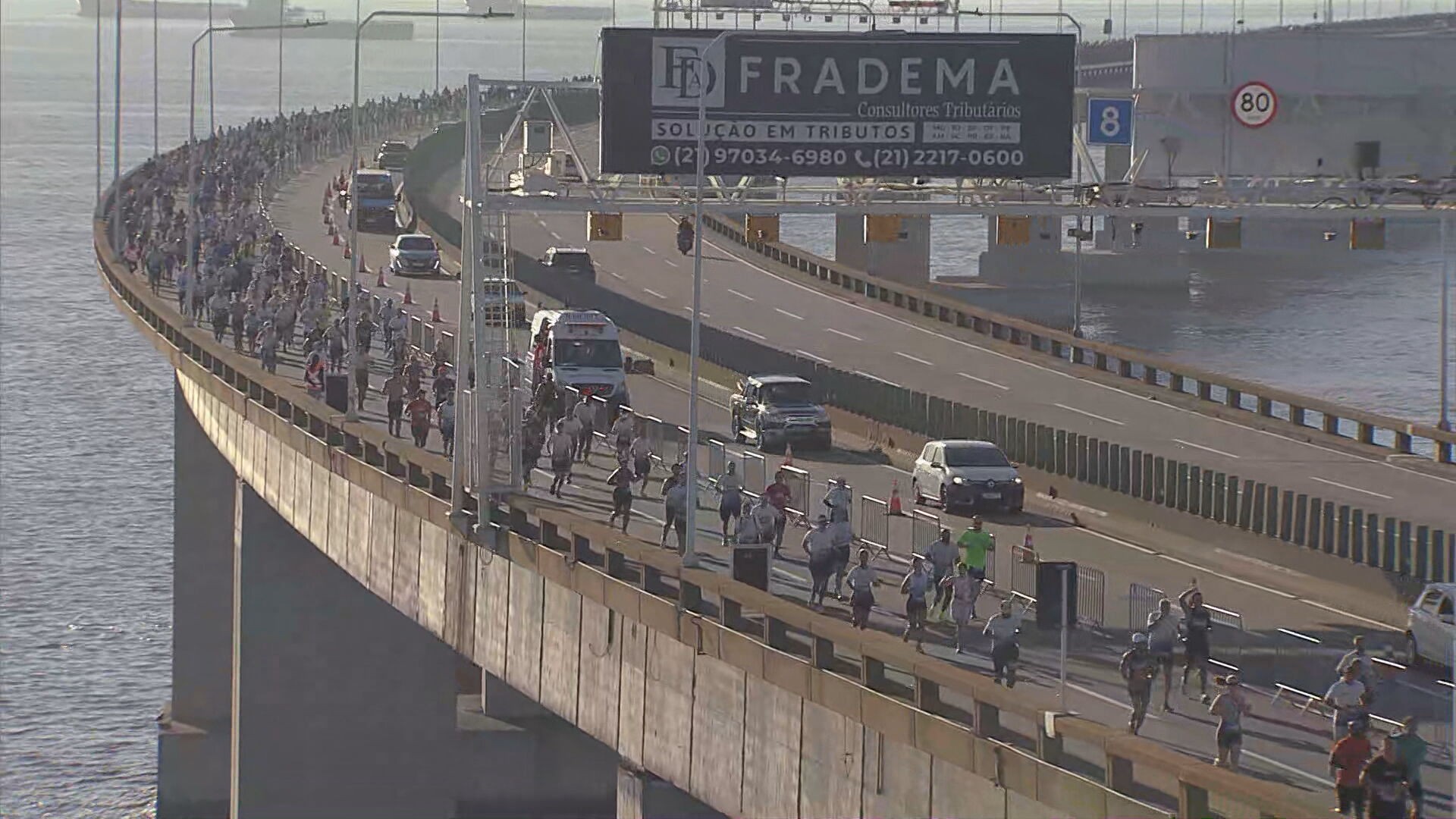
Approximately 8,000 runners participated in the "Desafio da Ponte" (Bridge Challenge) street race on Sunday, July 2nd. The 21-kilometer race commenced at 6:30 AM in Niterói, with participants crossing the Rio-Niterói Bridge and finishing at Praça Mauá in Rio de Janeiro's port area. Special traffic operations were implemented by the Rio de Janeiro City Hall, beginning Saturday, July 1st at 10 PM, with some road closures extending until 1 PM on Sunday. Full traffic normalization is anticipated by 12 PM on Sunday, following the event's conclusion and the dismantling of infrastructure. While the bridge itself did not require a complete closure, specific access points to the city were restricted. These included exits to Linha Vermelha, Avenida Francisco Bicalho, Avenida Rodrigues Alves, and the Marcello Alencar Tunnel. Alternative routes were provided, directing traffic towards Avenida Brasil for Linha Vermelha access and utilizing routes like Elevado do Gasômetro and Via B4 for destinations such as the Rodoviária, Centro, Tijuca, and Zona Sul. The traffic operation involved 50 professionals from CET-Rio, municipal guards, and traffic support staff, utilizing 161 cameras and two drones for real-time monitoring. The Municipal Guard deployed 60 agents, while Comlurb assigned 30 cleaners with specialized equipment. The City Hall advised drivers to avoid the affected area and utilize public transportation, with ferry services also offering adjusted schedules to accommodate participants and commuters.
The "Desafio da Ponte" race highlights the ongoing tension between urban event management and public mobility. While such events foster community engagement and promote healthy lifestyles, their execution necessitates significant traffic disruption. The city's operational plan, involving extensive monitoring and alternative route guidance, demonstrates an effort to mitigate these impacts. However, the reliance on temporary infrastructure and road closures for large-scale events raises questions about long-term urban planning efficiency. Future considerations might involve exploring less disruptive event formats or integrating event logistics more seamlessly with permanent urban infrastructure to minimize inconvenience and optimize resource allocation, particularly as cities increasingly host major sporting and cultural gatherings.
AI-generated to prompt reflection — not editorial opinion, not advice, not a statement of fact. How this works.