Rio Police Boost Patrols in North Zone Neighborhoods Amidst Gang Shootouts
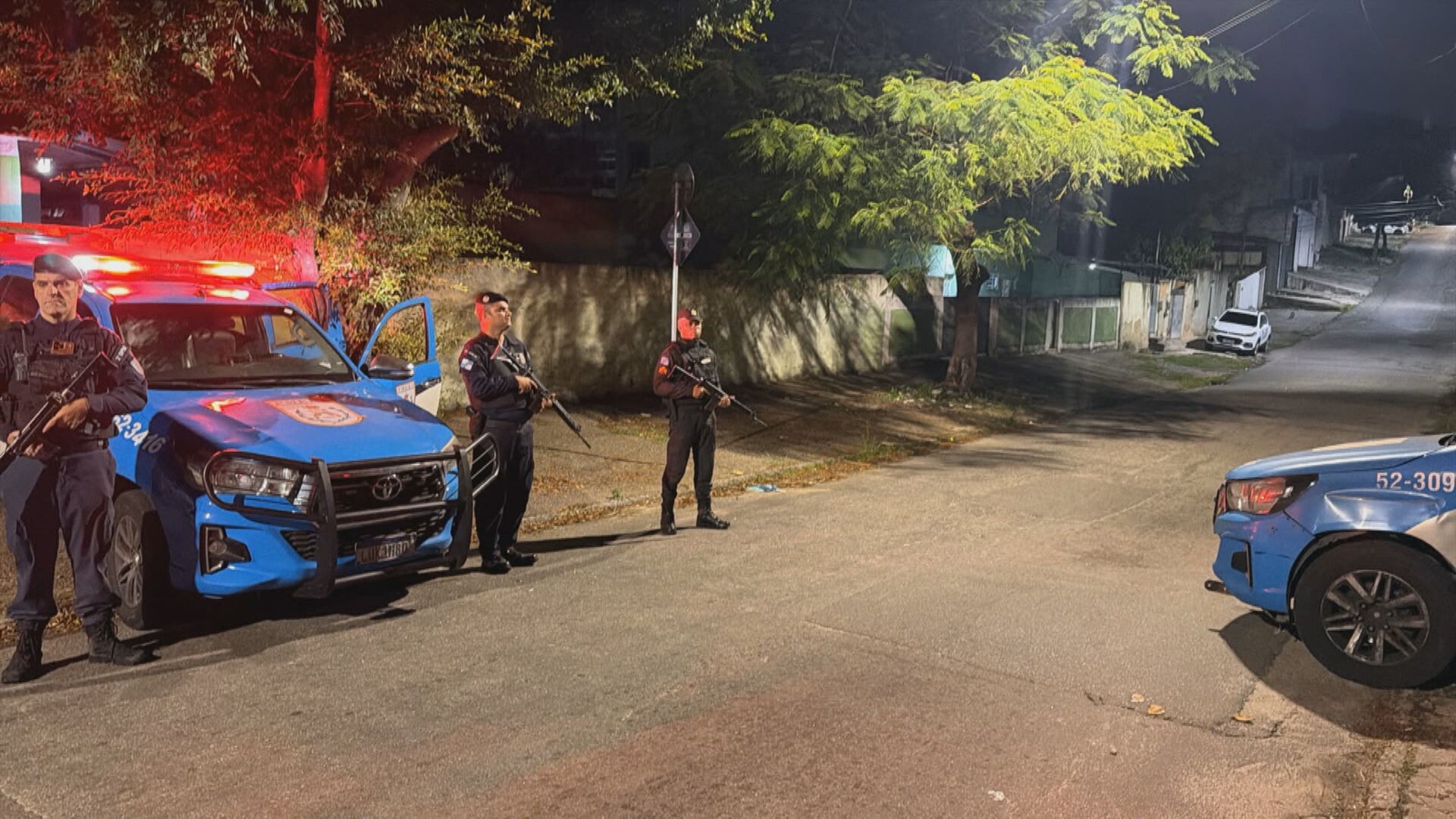
The Military Police launched an operation on Thursday, May 16th, to quell escalating disputes between rival criminal factions in the North Zone neighborhoods of Cordovil, Brás de Pina, and Jardim América in Rio de Janeiro. Residents have reported continuous gunfire for at least three days, stemming from confrontations between drug trafficking groups. In Cordovil, police presence has been increased around the Tinta and Dourado communities, with commercial establishments showing visible bullet damage. The operation aims not only to halt inter-gang violence but also to combat vehicle and cargo thefts in the region. A total of 150 officers from various battalions and special units are participating in this initiative. During a shootout in Cordovil on Wednesday, May 15th, military police exchanged fire with armed individuals, resulting in three men being injured. Authorities seized a pistol, a radio communicator, and a motorcycle from the suspects. Videos depicting the intensity of the gunfire have circulated widely on social media platforms. The Hemorio blood bank has issued an urgent appeal for blood donations, citing critical stock levels and a significant increase in demand for transfusions due to the ongoing violence and armed confrontations.
The intensified policing in Rio's North Zone addresses immediate public safety concerns arising from inter-gang violence and its impact on civilian life and critical services like blood banks. This situation highlights the persistent challenges of organized crime and its territorial disputes, which often spill over into public spaces. The deployment of 150 officers indicates a significant resource allocation to manage the conflict, but it raises questions about sustainable long-term strategies for addressing the root causes of such violence. Future approaches may need to consider a multi-faceted strategy that combines law enforcement with social and economic development initiatives to reduce the appeal of criminal organizations and foster community resilience. The reliance on emergency blood donations underscores the human cost of such conflicts and the strain placed on public health infrastructure.
AI-generated to prompt reflection — not editorial opinion, not advice, not a statement of fact. How this works.