Rio Preto Releases 'Wolbitos' Mosquitoes to Combat Dengue with Natural Bacteria
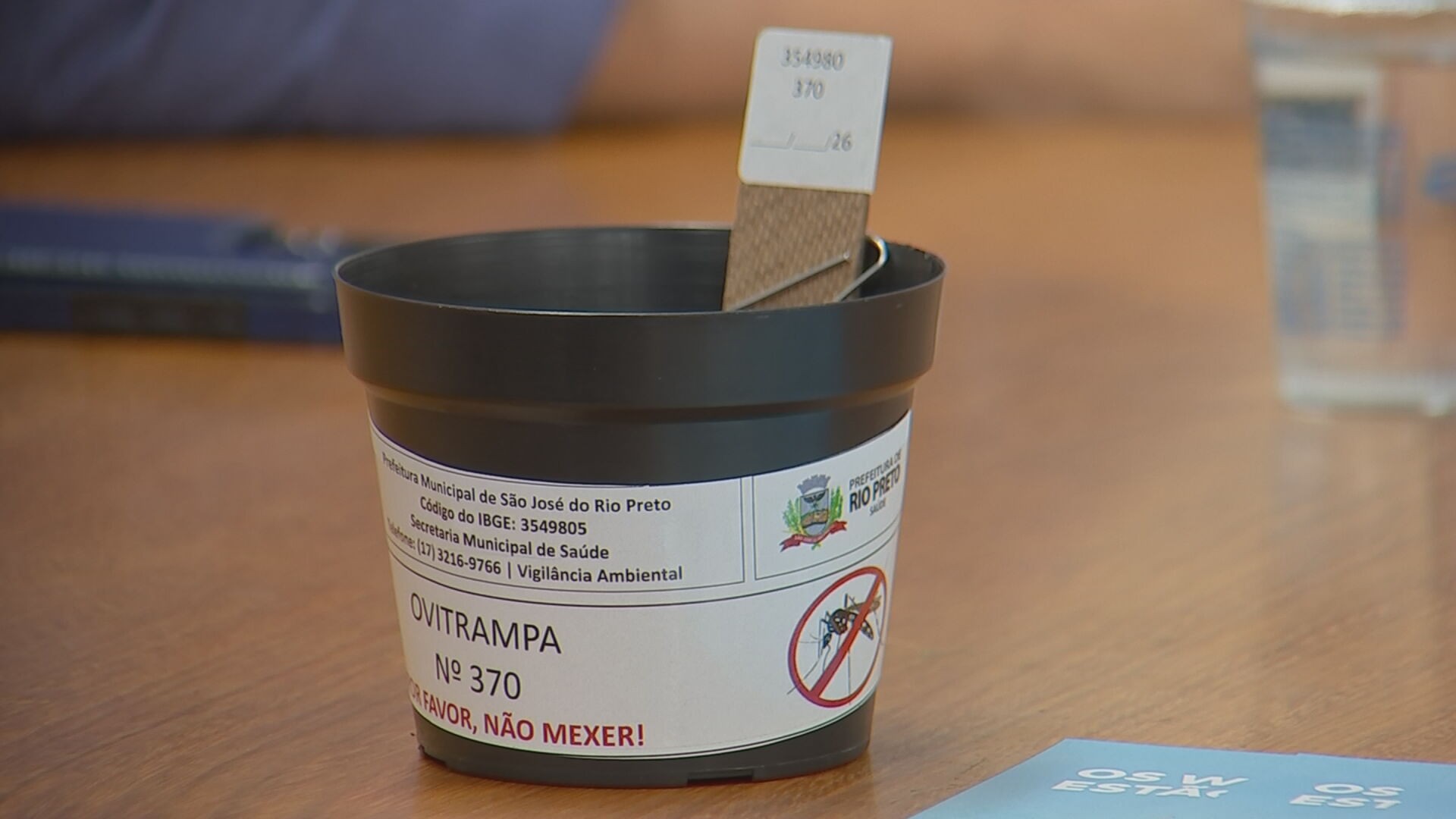
São José do Rio Preto, Brazil, is implementing a novel scientific strategy to combat the spread of dengue, Zika, and chikungunya by releasing mosquitoes inoculated with the natural Wolbachia bacteria. These mosquitoes, known as 'Wolbitos,' are a type of Aedes aegypti that, when carrying Wolbachia, prevent the viruses from developing within them and subsequently infecting humans. This initiative is a collaboration with the Oswaldo Cruz Foundation (Fiocruz), with initial fieldwork commencing in May and the large-scale release of mosquitoes into ten designated city regions scheduled for September and October.
Fiocruz advisor Diogo Chalegre emphasized that Wolbachia is a safe, naturally occurring bacteria found in many insects and does not involve genetic modification. When present in Aedes aegypti, it effectively blocks viral replication, thereby reducing disease transmission. Health Surveillance coordinator Andreia Negri stated that technical teams identified ten priority areas based on the city's epidemiological data. Leading up to the mosquito release, public education and mobilization efforts will be conducted by community health agents to inform residents about this technology and address any concerns. The 'Wolbitos' will be released weekly in a controlled manner for 26 weeks. This method has already been successfully deployed in 15 countries and 16 Brazilian cities. From January to June 2026, São José do Rio Preto recorded over 4,000 dengue cases, a significant decrease compared to its historical peak in 2025, which saw 53,000 cases and 41 deaths.
This initiative leverages a biological control method to mitigate arboviral disease transmission, addressing a significant public health challenge exacerbated by climate change and urbanization. The strategy of introducing Wolbachia bacteria into local Aedes aegypti populations aims to disrupt disease cycles without resorting to broad-spectrum insecticides, which can have ecological side effects and contribute to insecticide resistance. The long-term success will depend on sustained public engagement, consistent monitoring of mosquito populations and viral circulation, and the adaptability of the Wolbachia method to evolving environmental conditions and potential viral mutations. Evaluating the cost-effectiveness and scalability of this approach against other vector control strategies will be crucial for future public health investments.
AI-generated to prompt reflection — not editorial opinion, not advice, not a statement of fact. How this works.