Rio Preto Resident Loses R$4,800 in Fake Lawyer Scam
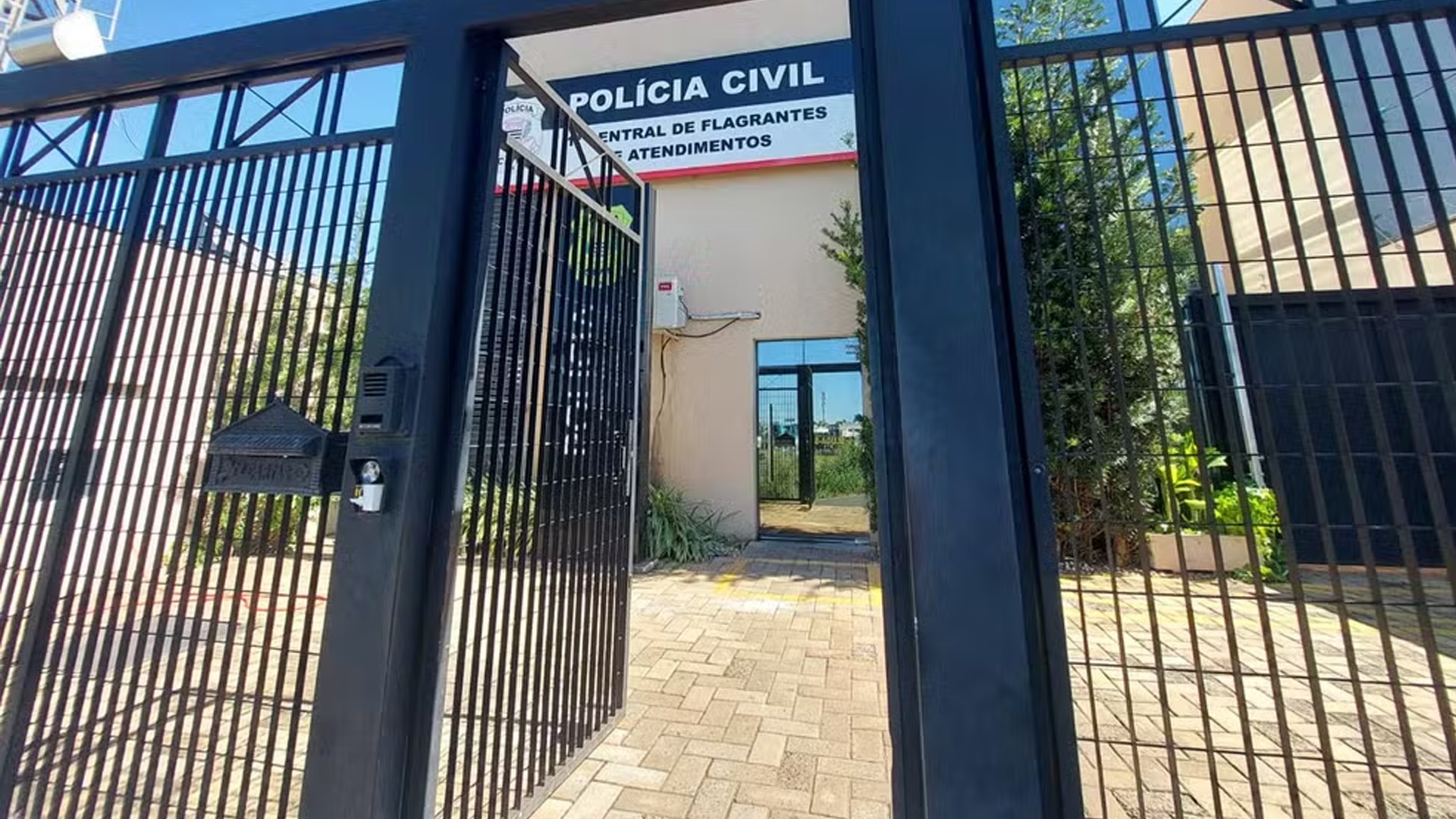
A resident of São José do Rio Preto, São Paulo, has lost R$4,800 after falling victim to a scam involving a fake lawyer. The perpetrator contacted the victim via WhatsApp, claiming they were entitled to a judicial settlement of R$53,000 and needed to make bank transfers to receive the tax-free amount. The incident, reported on Saturday, May 18th, is being investigated as qualified fraud via electronic means. The scam succeeded because the victim genuinely has an ongoing legal case. The scammer exploited this by impersonating the actual lawyer handling the case and instructing the victim to make bank transfers for "tax exemption." The victim followed these instructions, making two transfers totaling R$4,834 from different accounts. The victim has informed the Civil Police and will request detailed bank statements to identify the recipients of the Pix and bank transfers. The case has been forwarded to the 4th Police District of Rio Preto for further investigation. Authorities and experts consistently warn that legitimate lawyers and law firms never request deposits, fees, or Pix transfers to release payment orders. They advise anyone receiving such communications about legal victories to disregard them and contact their lawyer directly via landline or in person.
This incident highlights the persistent vulnerability of individuals to sophisticated impersonation scams, particularly when leveraging existing legal entanglements. The perpetrator's success hinges on exploiting the victim's trust in the legal system and their knowledge of an ongoing case, demonstrating a calculated approach to deception. The financial loss underscores the need for enhanced public awareness campaigns regarding digital security and common fraud tactics. Moving forward, financial institutions and legal bodies could explore more robust multi-factor authentication for significant transactions and collaborate on public education initiatives to inoculate citizens against such predatory schemes, especially as AI-powered tools could potentially enhance the sophistication of future impersonation attempts.
AI-generated to prompt reflection — not editorial opinion, not advice, not a statement of fact. How this works.