Rio Preto Zoo Rehabilitates Wild Animals Rescued from Illegal Trade
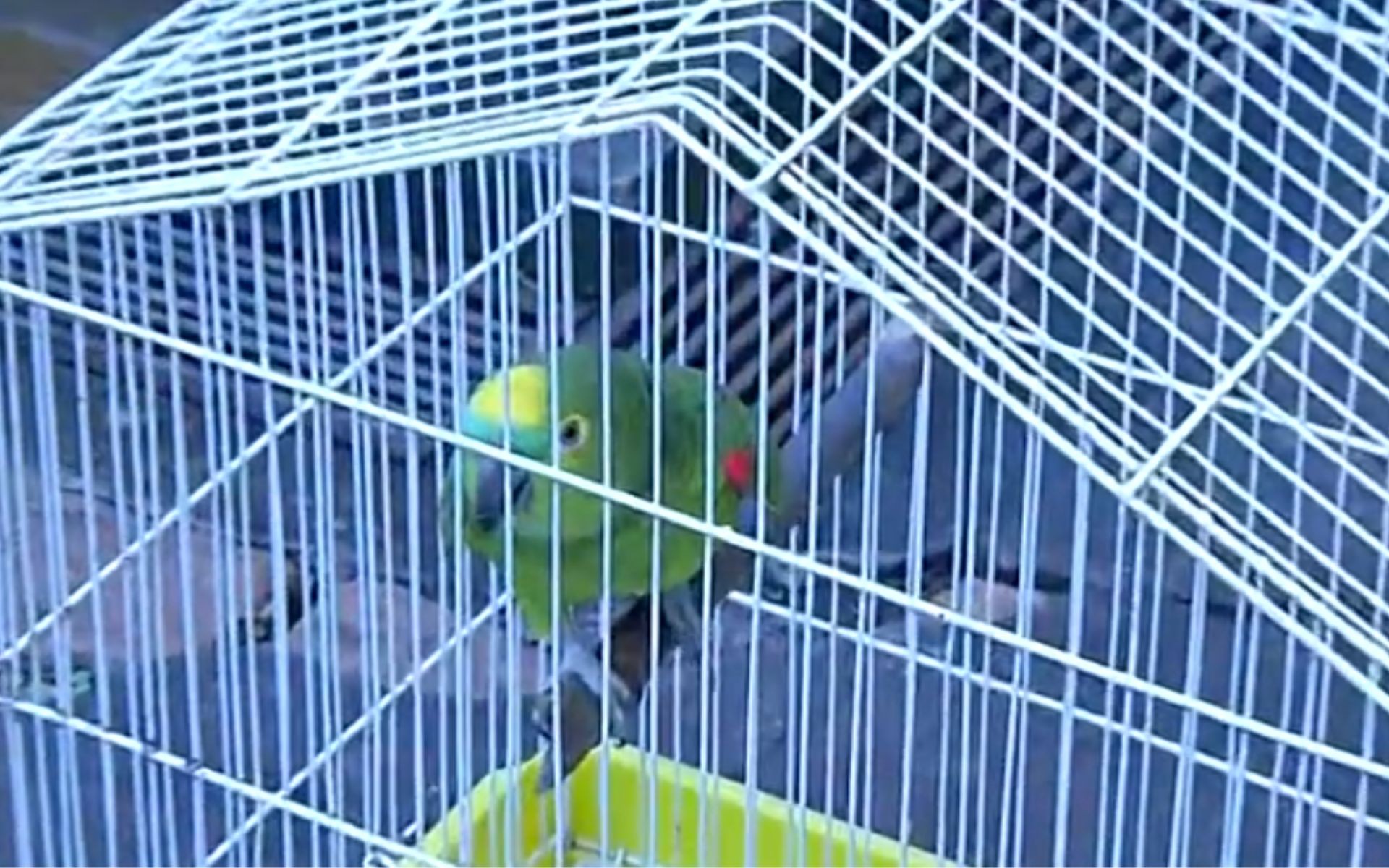
The Municipal Zoobotanical Garden in São José do Rio Preto, São Paulo, Brazil, is rehabilitating wild animals rescued by the Environmental Police from illegal trafficking and seizures. The primary goal is to return these animals to their natural habitats. In 2026 alone, over 600 wild animals, predominantly birds, were rescued in police operations, with many being sent to the zoo for care. Upon arrival, animals undergo thorough evaluations to assess their nutritional status and check for injuries before receiving veterinary treatment. Some animals, however, cannot be reintegrated into the wild because they lose their natural foraging and survival instincts after prolonged contact with humans. These animals, particularly birds that spend extensive time with people, may remain at the zoo or be transferred elsewhere. Recent seizures include a capuchin monkey and two corn snakes found in Bady Bassitt on June 8th, following an online advertisement for illegal wildlife trade. The owner claimed the animals were legalized, but the monkey lacked an identification chip and the documentation appeared falsified. The responsible individual was fined R$2.9 thousand for keeping the animals without proper environmental authorization. Another incident on March 15, 2026, involved the seizure of 66 wild birds kept illegally in cramped, unsanitary cages in São José do Rio Preto. Three birds died before rescue, and the survivors were sent for veterinary assessment. The zoo itself houses around 300 animals of over 70 species on a 14-hectare site, featuring Atlantic Forest and Cerrado vegetation. Animals at the zoo, reopened in late 2024 after renovations, typically have disabilities or cannot survive in the wild due to domestication, serving educational and specialized management purposes.
This initiative highlights a critical intersection of wildlife law enforcement and conservation efforts. The rehabilitation program addresses the direct consequences of illegal wildlife trade, aiming to mitigate harm to individual animals and potentially restore ecological balance. However, the program's long-term effectiveness is intrinsically linked to upstream prevention strategies that curb demand for exotic pets and combat trafficking networks. The zoo's role as a permanent sanctuary for animals unable to return to the wild underscores the persistent challenges of rehabilitation and the ethical considerations surrounding the keeping of exotic species. Future policy and public awareness campaigns should focus not only on rescue but also on reducing the initial impulse for illegal acquisition, thereby lessening the burden on rehabilitation centers and promoting a more sustainable coexistence between humans and wildlife.
AI-generated to prompt reflection — not editorial opinion, not advice, not a statement of fact. How this works.