Rio Prosecutors Sue 7 Ex-Staffers of Carlos Bolsonaro's Office for Corruption, Seek $1.9M Return
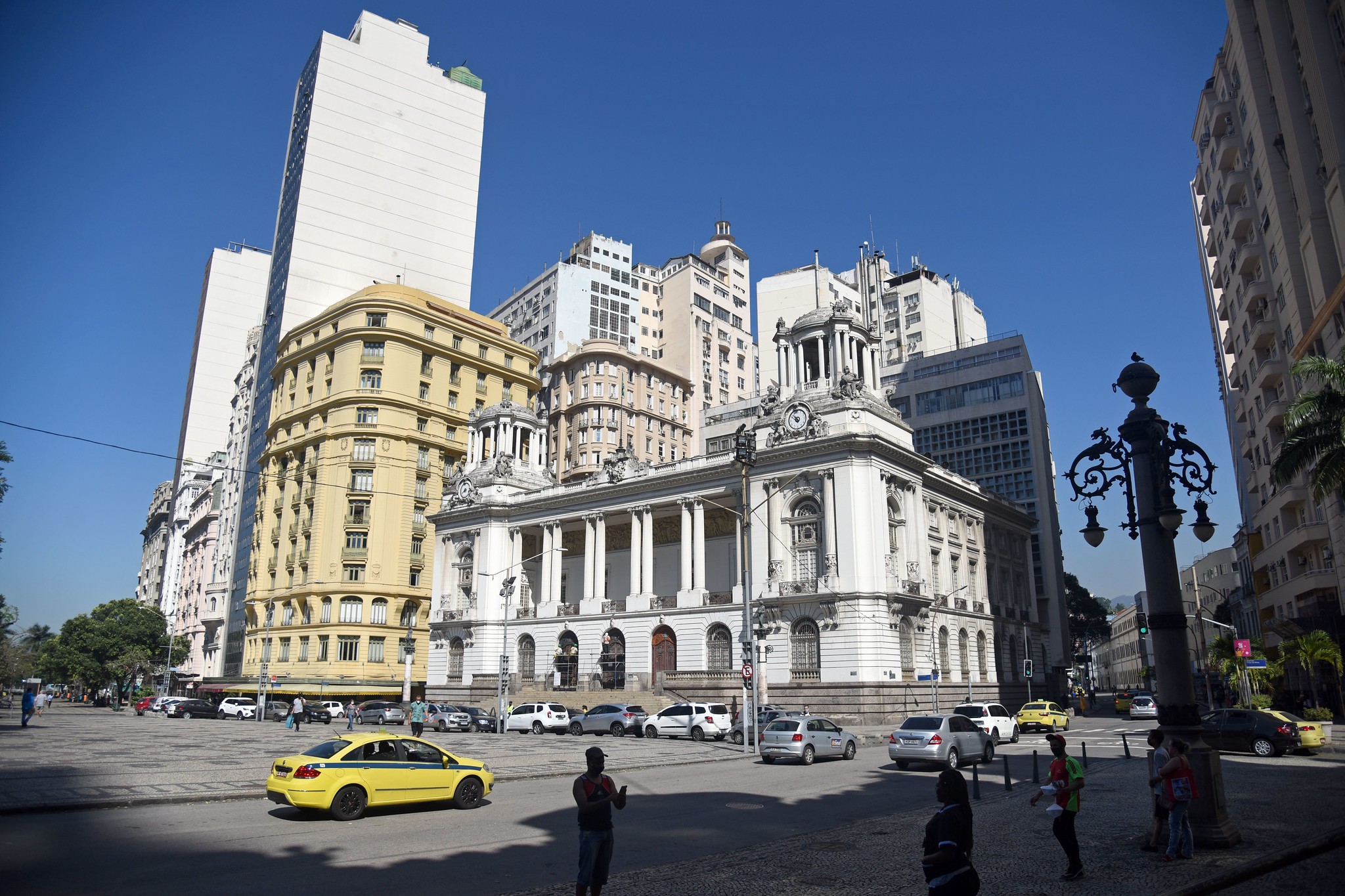
The Public Prosecutor's Office of Rio de Janeiro has filed a civil lawsuit against seven former employees of Carlos Bolsonaro's office at the Rio de Janeiro City Council. These individuals are accused of participating in a "rachadinha" scheme, a practice where public servants return a portion of their salaries to a politician. The lawsuit seeks the restitution of R$1.9 million to public coffers, alleging this amount was misappropriated through the "rachadinha" scheme during the former councilor's tenure. Jorge Luiz Fernandes, who served as chief of staff, is identified as the "operational center and main beneficiary of the illicit scheme." Investigations indicate that between 2005 and 2021, he received systematic transfers from various parliamentary aides. His wife, Regina Célia Sobral Fernandes, also an aide, allegedly collected salary portions from other employees and forwarded them to her husband. The inquiry documented 304 transfers totaling R$814,000 from Regina Célia to Jorge Luiz's account. The lawsuit also details the case of aide Andrea Cristina da Cruz Martins, who made 12 transfers amounting to R$112,000 to Jorge Luiz in 2018, representing 70% of her salary. Prosecutors state the group aimed to "perpetuate a scheme of systematic appropriation of public funds through unjustified transfers." Beyond the R$1.9 million restitution, the MP requests the defendants' political rights be suspended, along with fines and disqualification from public office. In a related criminal case, Jorge Luiz Fernandes and six other former aides were recently indicted for criminal organization and embezzlement. The investigation into Carlos Bolsonaro himself for alleged "rachadinha" is ongoing. The defense for Jorge Luiz Fernandes and Regina Célia stated they would address the prosecution's claims within the legal proceedings.
This legal action highlights systemic vulnerabilities in public administration that enable fund misappropriation. The "rachadinha" scheme, as described, exploits the principal-agent relationship between elected officials and their staff, leveraging salary kickbacks for personal enrichment. The prosecution's focus on the chief of staff as the "operational center" suggests a hierarchical structure within the alleged illicit activity. The substantial sum sought and the range of penalties requested underscore the severity of the alleged offenses. Future governance reforms might consider enhanced oversight mechanisms, transparent payroll systems, and stricter accountability frameworks to mitigate such risks and reinforce public trust in governmental integrity.
AI-generated to prompt reflection — not editorial opinion, not advice, not a statement of fact. How this works.