Rio que Alimenta Exhibition in Santarém Showcases River Communities' Lives and Climate Impacts
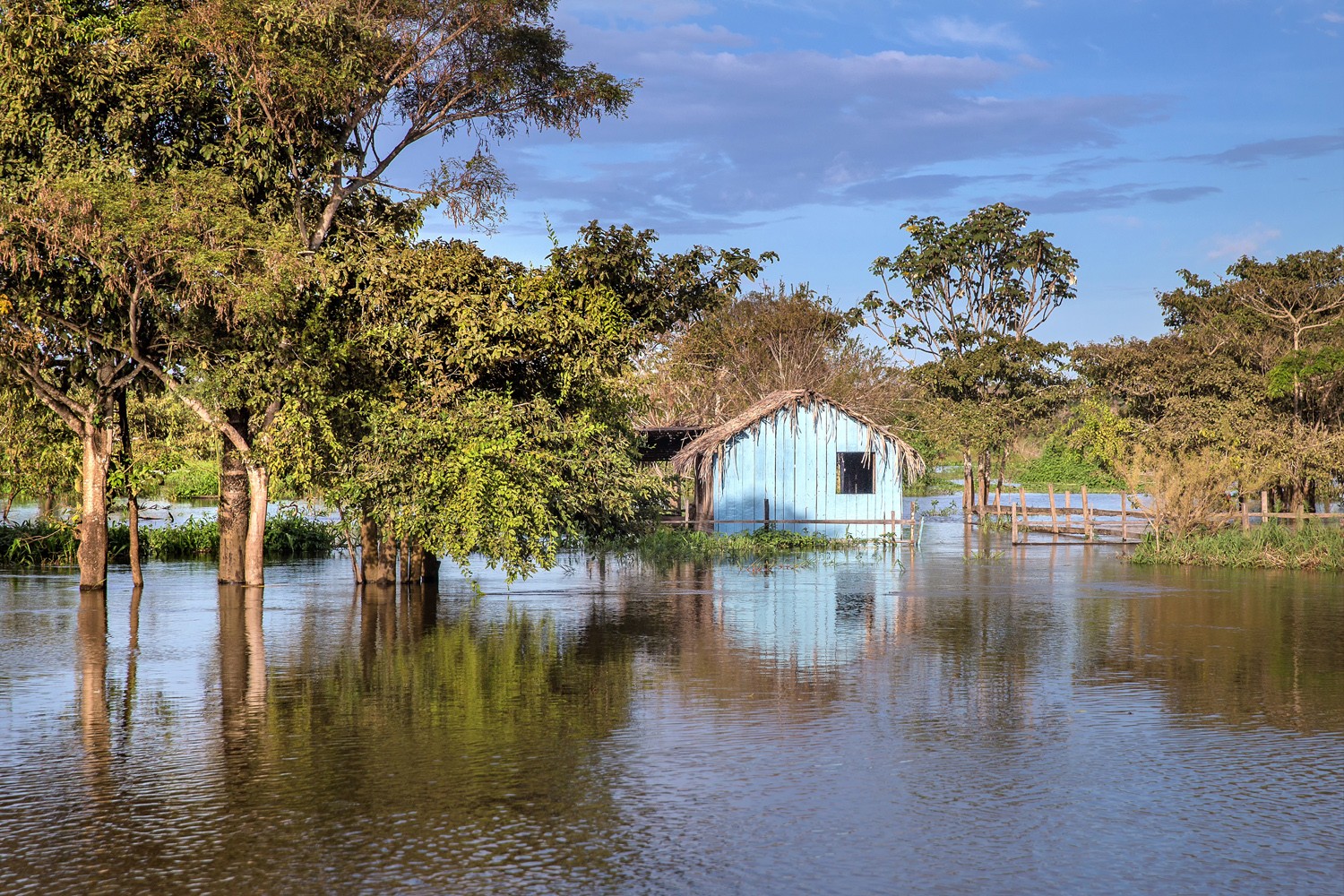
The "Rio que Alimenta" (River that Feeds) photographic exhibition is on display from August 1st to 31st, 2026, at the Porão Centro Cultural in Santarém, Pará, Brazil. This free exhibition features approximately 40 photographs that capture the daily lives of people living along the rivers and relying on them for their livelihoods. The project, resulting from recent photographic and ethnographic research, presents images and curatorial texts exploring landscapes, lifestyles, memories, and transformations in the Lower Amazon region. Photographs were taken in locations such as Lago do Maicá, Porto dos Milagres, Lago do Mapiri, and the Feira do Pescado, documenting the experiences of fishermen, river dwellers, and workers who witness the changing river dynamics. Photographer and executive director Andressa Azevedo stated the exhibition aims to shift focus from the region's scenery to its people, encouraging viewers to recognize the memories and changes experienced by those dependent on the river and to foster responsibility regarding climate issues. Researcher and curator Alan Pessoa emphasized that the images serve as historical documents, illustrating that the climate crisis is actively reshaping landscapes, lifestyles, and human-river relationships, rather than being a future projection. Beyond the exhibition, the "Rio que Alimenta" project includes 10 guided tours for students and photography workshops for youth, promoting cultural access and discussions on climate justice and environmental preservation in the Amazon. The project received funding from the National Aldir Blanc Policy for Cultural Development (PNAB) Edital nº 002/2025, with support from the Pará State Government.
This exhibition highlights the tangible impacts of climate change on Amazonian riverine communities, moving beyond abstract scientific discourse to humanize the crisis through personal narratives and daily life documentation. By focusing on the relationship between people and their environment, the project serves as a visual record of societal adaptation and resilience in the face of ecological shifts. The initiative's educational components, including guided tours and workshops, aim to foster public awareness and engagement with climate justice issues. Such cultural endeavors are crucial for translating global environmental challenges into local contexts, potentially influencing policy and community action over the next decade by underscoring the interconnectedness of environmental health, cultural heritage, and economic survival.
AI-generated to prompt reflection — not editorial opinion, not advice, not a statement of fact. How this works.