Rio Residents Protest Real Estate Project, Advocate for Educational Use of Old School Site
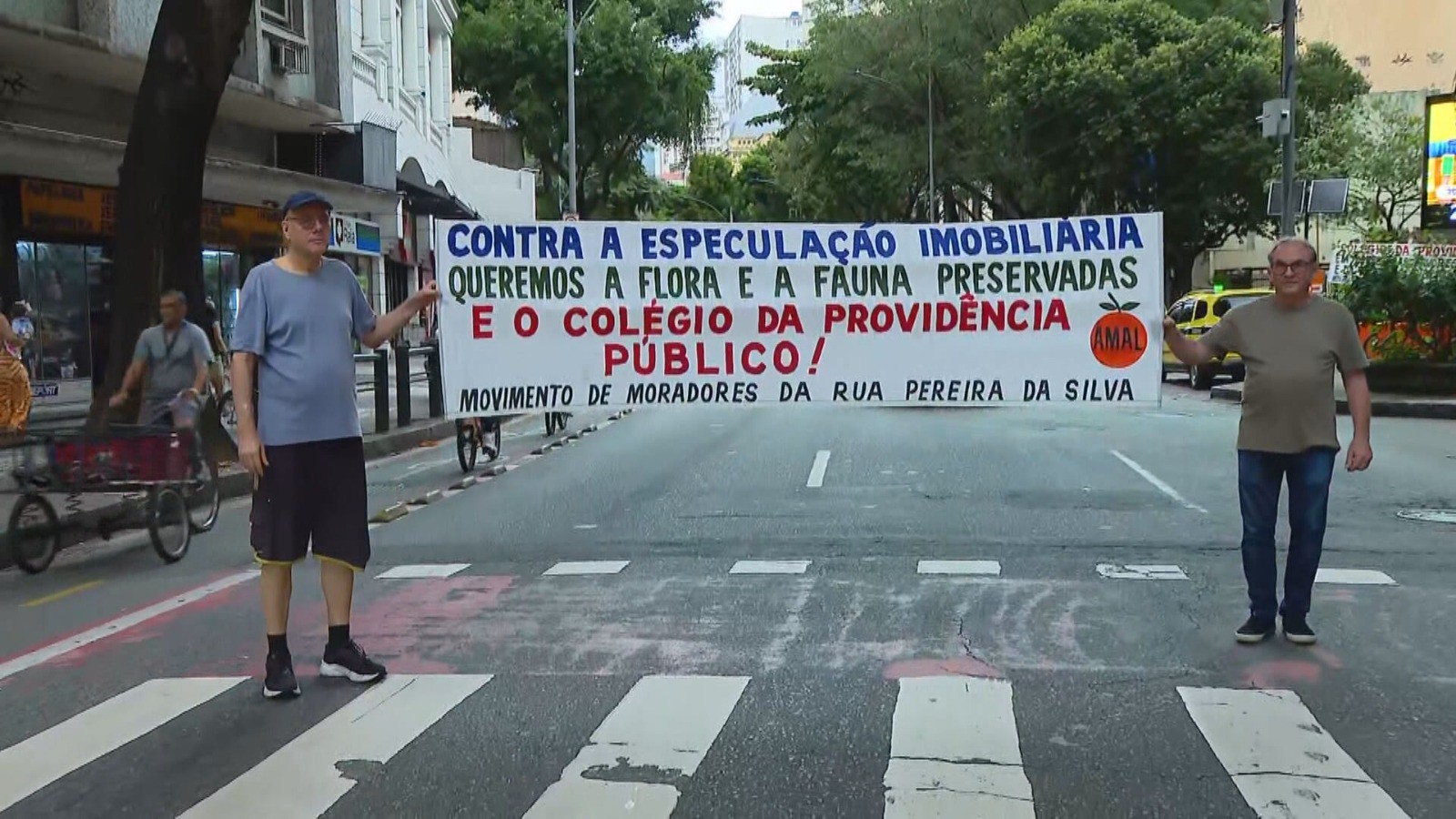
Residents of Laranjeiras, Rio de Janeiro, held a demonstration on Saturday, February 4th, calling for the city hall to reallocate the land of the former Colégio da Providência. The school closed in 2011, and a recent real estate development project proposed in 2023 was vetoed by Mayor Eduardo Cavaliere. Protesters argue that the proposed development would negatively impact the environment, as the site is located within the São José Environmental Protection Area. They are now advocating for the renovation of the existing building and for the city to designate the land for educational purposes. Leonel Kaz, a member of the Laranjeiras Residents Association, highlighted the "historic opportunity" to provide a quality public education destination for the 90-year-old school property. Marcus Seixas, president of the association, emphasized the site's value as a heritage asset that combines residents' sentiment with the need for historical preservation and environmental protection. The Municipal Secretariat of Urban Development and Licensing stated that no urban licensing has been granted for the property and no environmental impact studies are underway. The secretariat confirmed that in 2023, a consultation outlined requirements for licensing, but no new project or application has been submitted.
The Laranjeiras residents' protest highlights a common urban planning tension between private development interests and community desires for public amenities and environmental preservation. The vetoed real estate project, despite being formally processed, faced significant community opposition rooted in environmental concerns and a preference for educational reuse. This situation underscores the importance of robust public consultation and environmental impact assessments in urban development, particularly for sites within protected areas. The residents' push for educational use suggests a perceived deficit in public services and a desire to leverage existing infrastructure for community benefit. Future urban planning in Rio may need to more proactively integrate community input and prioritize sustainable development models that balance economic growth with social and environmental well-being, especially in historically significant or ecologically sensitive areas.
AI-generated to prompt reflection — not editorial opinion, not advice, not a statement of fact. How this works.