Rio's child flu vaccination rate hits just 30%, prompting official calls for increased uptake
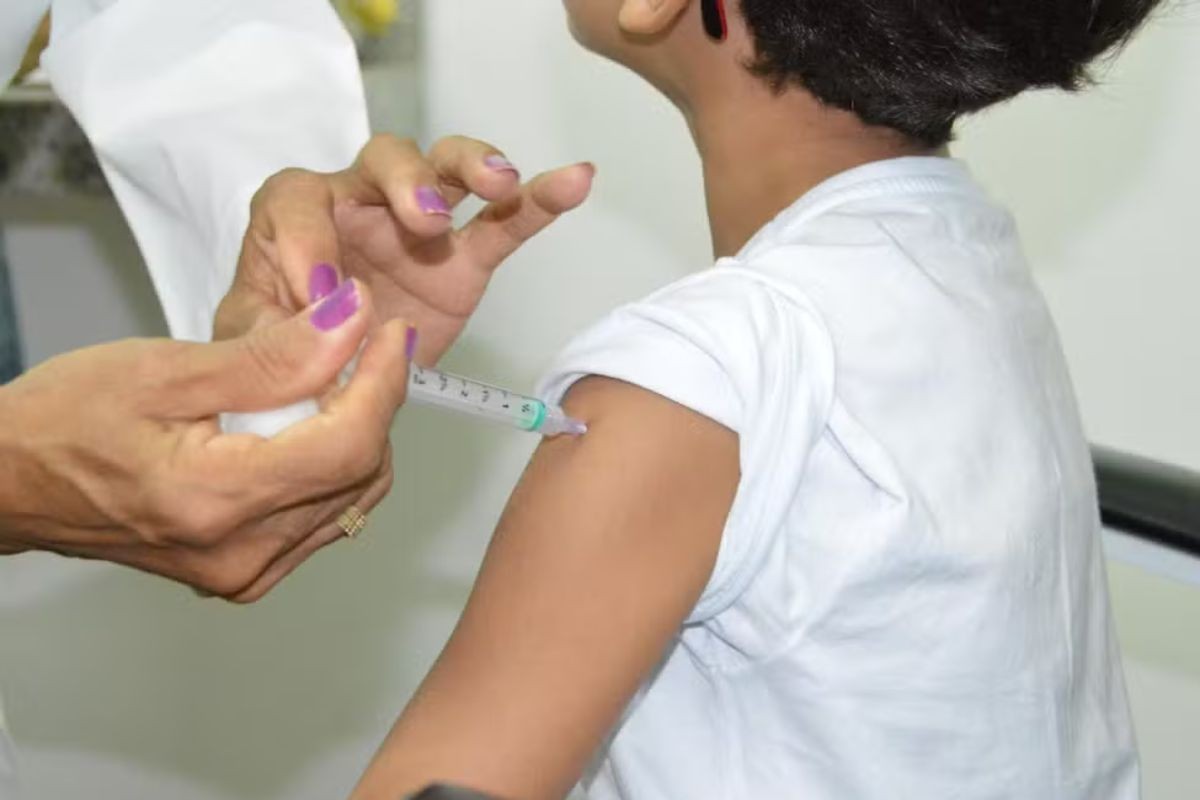
The city of Rio de Janeiro is facing a significant shortfall in its childhood influenza vaccination campaign, with only 30% of eligible children having received the vaccine to date. This low coverage rate is a major concern for health authorities, especially as respiratory illness cases rise during the winter months. Children, like the elderly, are identified as a high-risk group for severe complications from respiratory infections, making them a priority for immunization alongside individuals over 60, pregnant women, and new mothers.
In the current year, Rio has recorded over 2,500 hospitalizations of children for Severe Acute Respiratory Syndrome (SRAG), with 29 deaths attributed to the illness. The municipal health department's target is to achieve at least 90% vaccination coverage within each priority group. However, the 30% rate among children is the lowest among all priority demographics. This trend is not new; the city last met its childhood flu vaccination goal in 2016, and last year's coverage stood at 53%, also below the target.
Despite the availability of the free flu vaccine at all municipal vaccination sites, including the Super Centro Carioca de Vacinação, public demand remains low. Health officials are intensifying their appeals to parents and guardians to bring children for vaccination, emphasizing that it is still possible to gain protection. The vaccine is recommended for everyone aged six months and older, requiring only an identification document and, if available, a vaccination record.
The low vaccination uptake among children in Rio de Janeiro highlights a persistent challenge in public health communication and access. Despite the clear medical rationale and the availability of free vaccines, a significant gap exists between the desired coverage and the actual immunization rates. This situation underscores the importance of understanding and addressing parental hesitancy, logistical barriers, and the effectiveness of public awareness campaigns. Future strategies may need to explore more targeted outreach, community engagement, and potentially innovative delivery methods to overcome these obstacles and ensure vulnerable populations are adequately protected against preventable diseases, especially in the context of evolving public health threats and the increasing burden of respiratory illnesses.
AI-generated to prompt reflection — not editorial opinion, not advice, not a statement of fact. How this works.