Rio's 'Curumim' Sculpture Loses Bronze Arch Just 20 Days After $50,000 Restoration
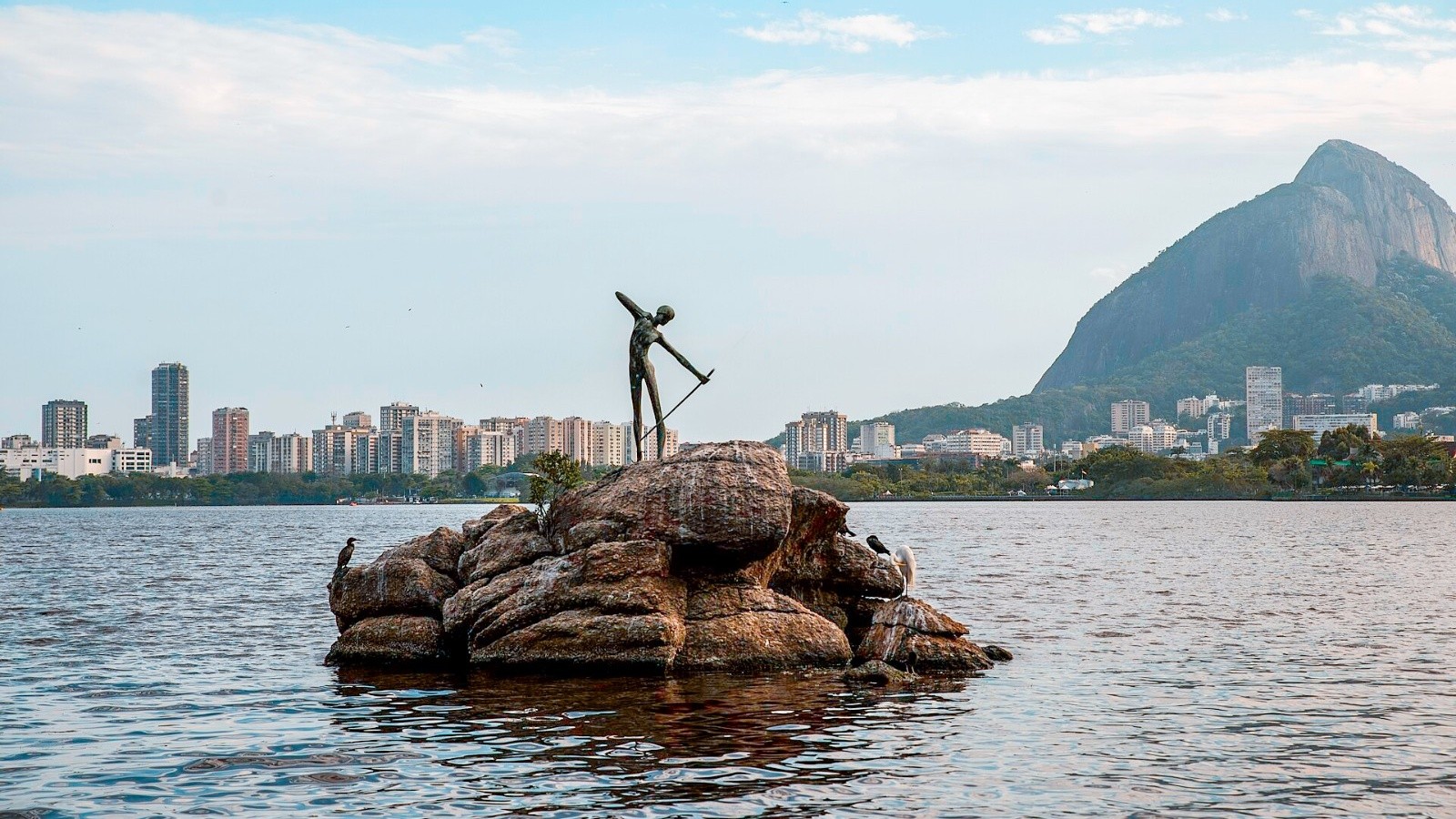
The 'Curumim da Lagoa' sculpture, located in Rio de Janeiro's Lagoa Rodrigo de Freitas, has once again been vandalized, with its bronze arch being stolen approximately 20 days after its restoration and reinstallation. The artwork, originally installed in 1979 as a tribute to indigenous peoples, stands nearly two meters tall and weighs around 200 kilograms. The recent restoration, completed on June 19th, cost the Municipal Secretariat of Conservation about R$ 50,000. This work involved Luiz Augusto Correia de Araújo, son of the original sculptor, Pedro Gaspar Jens Correia de Araújo. The sculpture has a long history of vandalism; in 2011, it was moved to a more remote location to deter theft and damage, but these efforts proved unsuccessful. According to the Municipal Secretariat of Conservation, approximately R$ 600,000 was spent last year on repairs for monuments damaged by theft and vandalism. The Municipal Secretary of Conservation, Diego Vaz, highlighted that about 30% of the Secretariat's budget for monuments is spent on repairs rather than new projects, emphasizing that public funds are being used to undo damage caused by impunity.
The repeated vandalism of public art in Rio de Janeiro, exemplified by the 'Curumim' sculpture's recent theft shortly after a costly restoration, highlights a persistent challenge in urban heritage management. The significant expenditure on repairs, consuming a reported 30% of the conservation budget, points to a systemic issue where public funds are diverted from potential advancements to merely restoring past damage. This cycle suggests that while restoration efforts are necessary, they may be insufficient without addressing the underlying causes of vandalism and theft, such as enforcement, community engagement, or alternative deterrents. The economic inefficiency of constantly repairing damaged assets, rather than investing in preventative measures or more resilient infrastructure, warrants a strategic re-evaluation of resource allocation in public space management. Future approaches might consider integrating security, material resilience, and public participation more deeply into the lifecycle of public art to ensure long-term preservation and value.
AI-generated to prompt reflection — not editorial opinion, not advice, not a statement of fact. How this works.