Rising Bear Encounters Spark Fear Across the United States
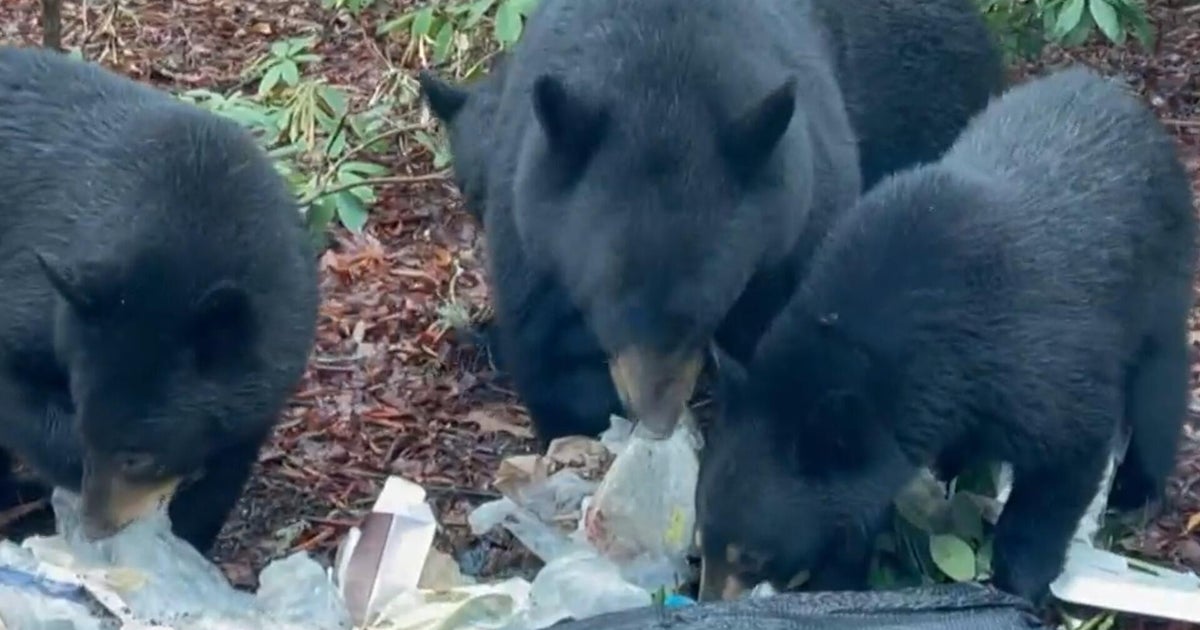
Reports of bear encounters are becoming more frequent throughout the United States, as these animals increasingly venture into areas inhabited by humans. These encounters are often driven by the bears' search for food sources. Many of these incidents are captured on video, highlighting the growing proximity between wildlife and human populations. The trend suggests a complex interplay between environmental changes, human encroachment on natural habitats, and the adaptive behaviors of bears. As bears become more accustomed to human environments, concerns for public safety and wildlife management are escalating. This phenomenon raises questions about the effectiveness of current conservation strategies and the need for revised approaches to coexistence. The increasing visibility of these encounters through media also contributes to public awareness and, in some cases, anxiety regarding wildlife. Further investigation into the specific factors driving this trend is necessary to develop effective long-term solutions.
The increasing frequency of bear encounters in the U.S. reflects a broader pattern of human-wildlife interface challenges. As urban and suburban development expands into natural habitats, bears are compelled to seek sustenance in human-populated areas, often driven by resource scarcity or altered ecological conditions. This dynamic creates a feedback loop where human presence and bear behavior mutually influence each other, necessitating adaptive management strategies. Future approaches will likely need to integrate urban planning, waste management, and public education to mitigate risks and foster sustainable coexistence, considering the long-term implications of climate change and habitat fragmentation on wildlife behavior.
AI-generated to prompt reflection — not editorial opinion, not advice, not a statement of fact. How this works.