Rising Living Costs Push More US Retirees Back to Work
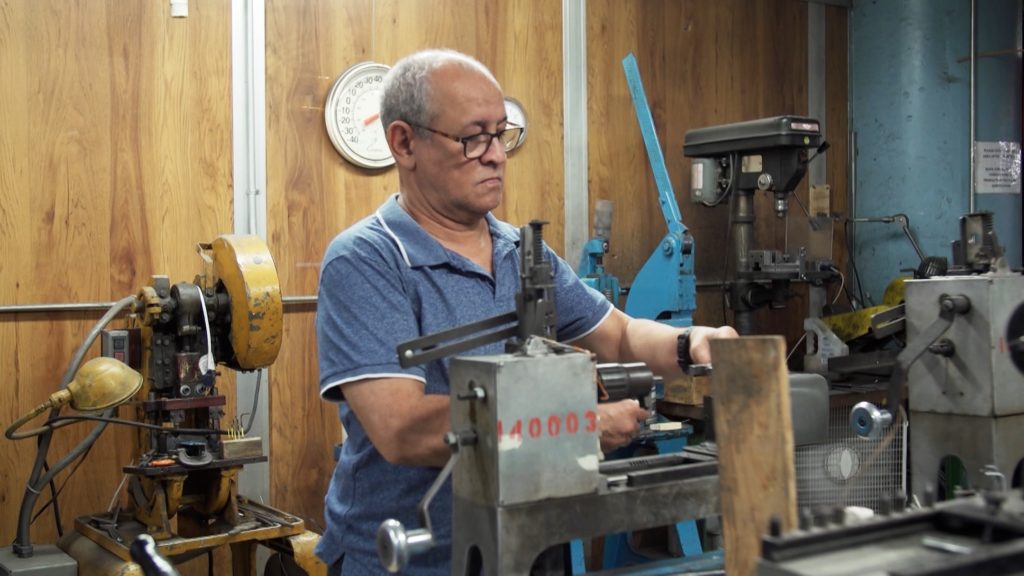
The escalating cost of living in the United States is making it increasingly challenging for individuals to manage their finances, with older Americans experiencing these pressures acutely. This economic strain is compelling a growing number of retirees to return to the workforce to supplement their incomes. Many find that their retirement savings are no longer sufficient to cover essential expenses, necessitating a re-evaluation of their post-work plans. This trend highlights the inadequacy of current retirement provisions in the face of persistent inflation and rising prices for goods and services. The decision to unretire is often driven by a need for financial stability rather than a desire for continued employment. Consequently, this phenomenon could reshape perceptions of retirement and the role of older adults in the labor market.
The increasing number of retirees returning to work signifies a potential systemic issue with retirement planning and economic security for older populations. This trend suggests that inflation and the rising cost of living may be outpacing the growth of retirement savings and pension funds, challenging the long-term viability of traditional retirement models. It raises questions about the adequacy of financial literacy and planning tools available to individuals preparing for retirement, as well as the responsibility of financial institutions and policymakers in ensuring sustainable retirement futures. The phenomenon also presents a dual-edged sword for the economy: it could alleviate labor shortages but also potentially depress wages for younger workers and increase competition in certain sectors. Looking ahead, this situation underscores the need for adaptive retirement policies and financial products that can better withstand economic volatility and ensure dignity and security for seniors in the coming decades.
AI-generated to prompt reflection — not editorial opinion, not advice, not a statement of fact. How this works.