Rising oil prices to pressure Guatemala's inflation, central bank expects temporary impact
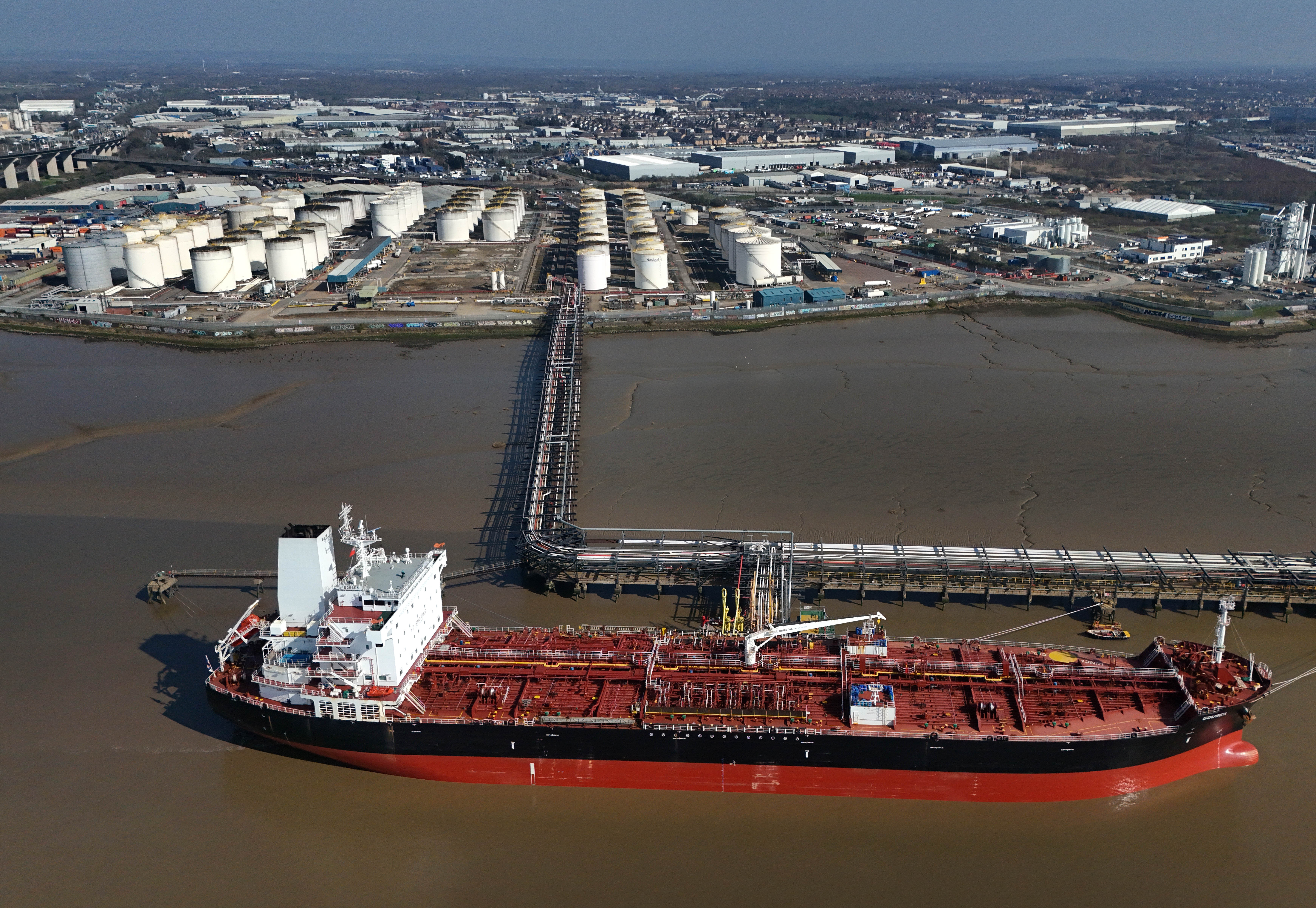
International oil prices have begun to rise again, which is expected to immediately put upward pressure on the general price level in Guatemala. The Monetary Board of Guatemala (Banguat) anticipates that this inflationary effect will be temporary. The central bank's forecast suggests that while consumers will likely face higher prices in the short term due to increased energy costs, the overall impact on inflation is not expected to be sustained. This outlook implies that Banguat believes underlying economic conditions will absorb or mitigate the price shocks from oil. The institution's assessment will be closely watched as global energy markets remain volatile. Further analysis from Banguat will likely detail the specific mechanisms and duration of the expected transient inflationary pressures.
The renewed surge in global oil prices presents a classic challenge for monetary policy, particularly in economies like Guatemala that are net oil importers. While the central bank's projection of a transient effect is a common response to such shocks, it hinges on several assumptions about market stability and consumer behavior. The analysis should consider the potential for these price increases to become embedded in broader inflation expectations, especially if supply chain disruptions or geopolitical factors prolong the high energy costs. Furthermore, the effectiveness of Banguat's monetary tools in managing imported inflation versus domestic price pressures will be a key determinant of the actual outcome over the next decade, as global energy transitions and evolving trade dynamics reshape inflationary landscapes.
AI-generated to prompt reflection — not editorial opinion, not advice, not a statement of fact. How this works.