Risks of Building on Ravines and Riverbeds Highlighted
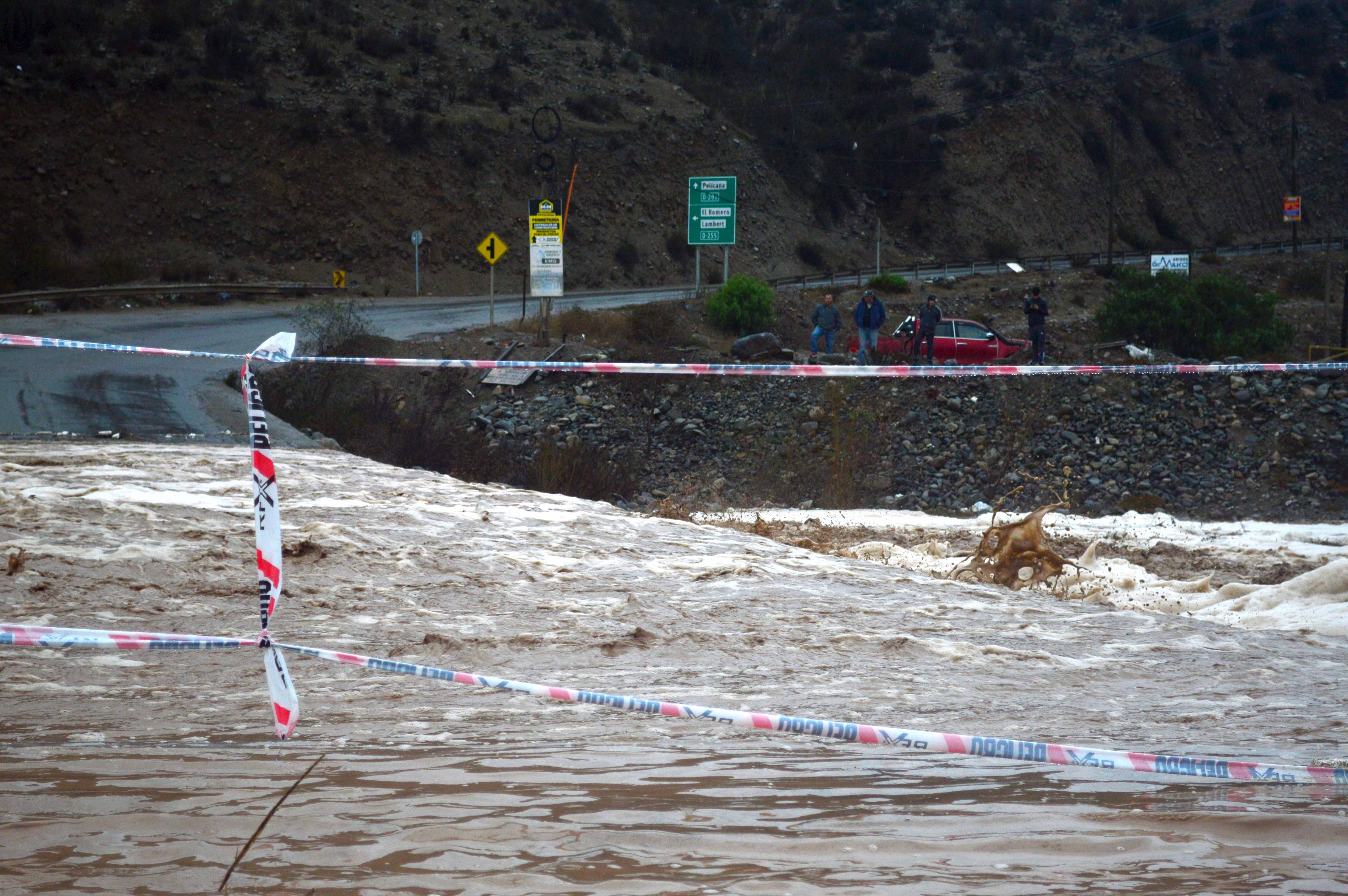
Carolina Martínez, director of the UC Center Observatory of the Coast and an academic at the Institute of Geography of the Catholic University, has discussed the dangers associated with construction in areas prone to flooding. She specifically addressed the situation in the northern part of the country, emphasizing that these locations are neither sustainable nor safe when facing severe weather systems. Martínez's insights point to the inherent risks of developing infrastructure in natural watercourses and ravines, which are particularly vulnerable during extreme weather events. Her commentary serves as a critical warning about urban planning and land use in regions susceptible to natural hazards. The discussion underscores the need for more resilient and secure development strategies to mitigate future damage and ensure public safety.
The construction of infrastructure in flood-prone areas like ravines and riverbeds presents a significant systemic risk, especially in the face of increasingly severe weather events driven by climate change. While development is often spurred by economic incentives and housing demand, failing to account for natural hydrological processes can lead to substantial material losses and endanger lives. This situation highlights a potential disconnect between immediate development pressures and long-term environmental sustainability and public safety considerations. Future urban planning must integrate robust risk assessments and enforce stricter land-use regulations to prevent development in inherently hazardous zones, thereby building more resilient communities for the coming decades.
AI-generated to prompt reflection — not editorial opinion, not advice, not a statement of fact. How this works.