Risks of Using Incorrect Water in Inverter Batteries
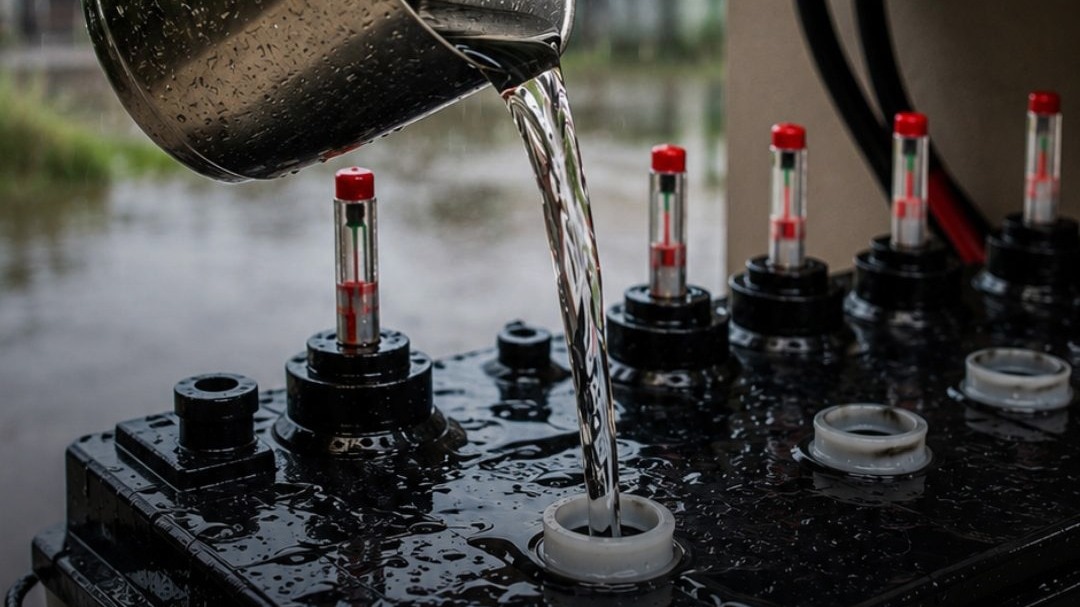
Using the wrong type of water in an inverter battery can lead to significant problems and damage. It is crucial to understand which kind of water is suitable for these batteries. Distilled water is specifically recommended because it lacks impurities that can interfere with the battery's chemical processes. The use of tap water or other non-distilled sources introduces minerals and other contaminants. These impurities can cause adverse reactions within the battery cells, potentially leading to reduced efficiency and a shortened lifespan. Furthermore, incorrect water can cause corrosion of internal components. Following the manufacturer's guidelines for battery maintenance is essential to ensure proper functioning and longevity. Regular checks and adherence to recommended practices are vital for optimal performance.
The proper functioning of inverter batteries relies on specific chemical reactions facilitated by purified water. Using impure water introduces contaminants that disrupt these reactions, leading to diminished performance and potential component degradation. This highlights a critical dependency on supply chain integrity for essential components, where even seemingly minor inputs like water quality can have substantial downstream effects. As energy storage solutions become more integral to modern infrastructure, understanding and enforcing precise maintenance protocols, including the type of water used, is paramount for reliability and system longevity. Future advancements in battery technology may aim to mitigate sensitivity to water impurities, but current systems necessitate strict adherence to manufacturer specifications to avoid costly failures.
AI-generated to prompt reflection — not editorial opinion, not advice, not a statement of fact. How this works.